
A Comprehensive Guide to Agricultural Recruitment in Ghana


Understanding the Agricultural Sector in Ghana
The agricultural sector in Ghana is a cornerstone of the country's economy, employing a significant portion of the population. With a rich diversity of crops such as cocoa, maize, and yam, agriculture contributes substantially to Ghana's GDP. As the sector grows, there is an increasing need for skilled labor and effective recruitment strategies.
Recruitment in agriculture is crucial for ensuring that the industry continues to thrive. By attracting the right talent, Ghana can enhance productivity and innovation in this vital sector. Whether you're a farmer, agribusiness owner, or recruitment agency, understanding the nuances of agricultural recruitment in Ghana is essential.

Key Challenges in Agricultural Recruitment
Recruiting for the agricultural sector in Ghana comes with its own set of challenges. One major issue is the perception of agriculture as a less attractive career path for young professionals. Many youths are drawn to urban opportunities, leaving a gap in skilled labor for rural areas.
Additionally, there is a lack of formal training and education tailored to modern agricultural practices. This gap can lead to a shortage of qualified candidates who can meet the demands of advanced agricultural techniques and technologies.
Effective Recruitment Strategies
To overcome these challenges, it's important to implement effective recruitment strategies. Here are some key steps:
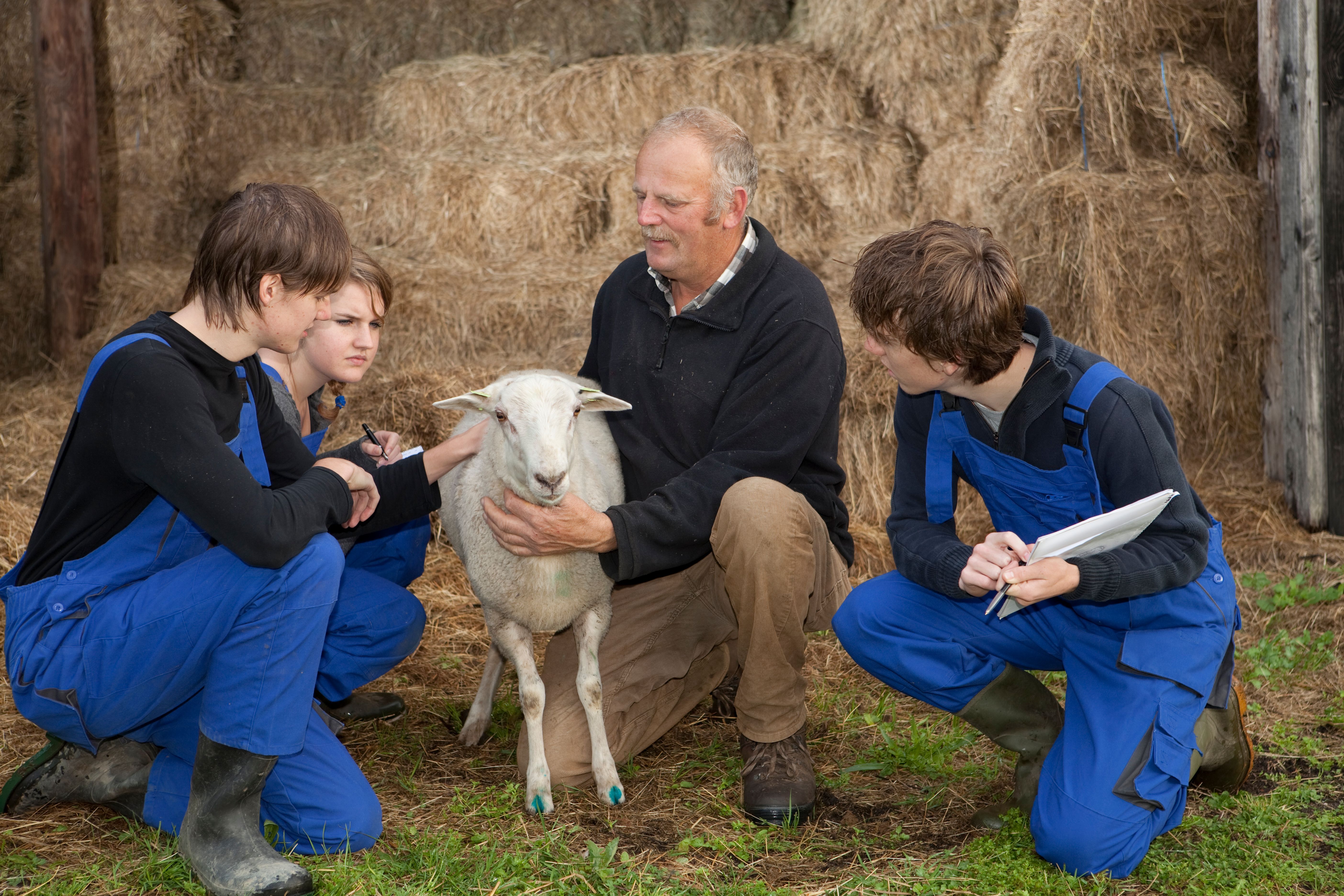
- Engage with Educational Institutions: Collaborate with agricultural colleges to create internship programs that offer practical experience.
- Leverage Technology: Use online platforms and social media to reach a wider audience and attract tech-savvy candidates.
- Offer Competitive Packages: Provide attractive salaries and benefits to entice skilled professionals to the sector.

The Role of Technology in Recruitment
Technology plays a pivotal role in transforming agricultural recruitment in Ghana. From online job portals to digital interviews, technology can streamline the hiring process and make it more efficient. By utilizing these tools, employers can reach a larger pool of candidates and make more informed hiring decisions.
Moreover, the integration of technology in agriculture itself can attract young professionals who are interested in innovative and sustainable farming practices. Highlighting these opportunities can make the sector more appealing to potential recruits.
Building a Sustainable Workforce
Creating a sustainable workforce in agriculture requires a focus on training and development. Continuous education and skill enhancement are essential for keeping up with advancements in agricultural technology and practices. Employers should invest in training programs to ensure their teams remain competitive and knowledgeable.
Furthermore, promoting a positive image of agriculture as a rewarding and viable career choice can help shift perceptions and attract more talent to the industry.
Conclusion
Recruitment in the agricultural sector in Ghana presents both challenges and opportunities. By understanding the unique aspects of this industry and implementing strategic recruitment practices, stakeholders can build a skilled and sustainable workforce. Embracing technology and education will play a crucial role in transforming agriculture into a dynamic and attractive career path for future generations.
As Ghana continues to develop its agricultural sector, effective recruitment will be vital to its success. By addressing the current challenges and leveraging available opportunities, the country can ensure a prosperous future for its agricultural industry.