
Agronomic Support 101: Boosting Your Crop Production


Understanding Agronomic Support
In the world of agriculture, agronomic support plays a crucial role in enhancing crop production. It involves a range of services and practices that help farmers optimize their crop yield and ensure sustainable farming practices. By focusing on soil health, crop management, and pest control, agronomic support can significantly boost productivity.
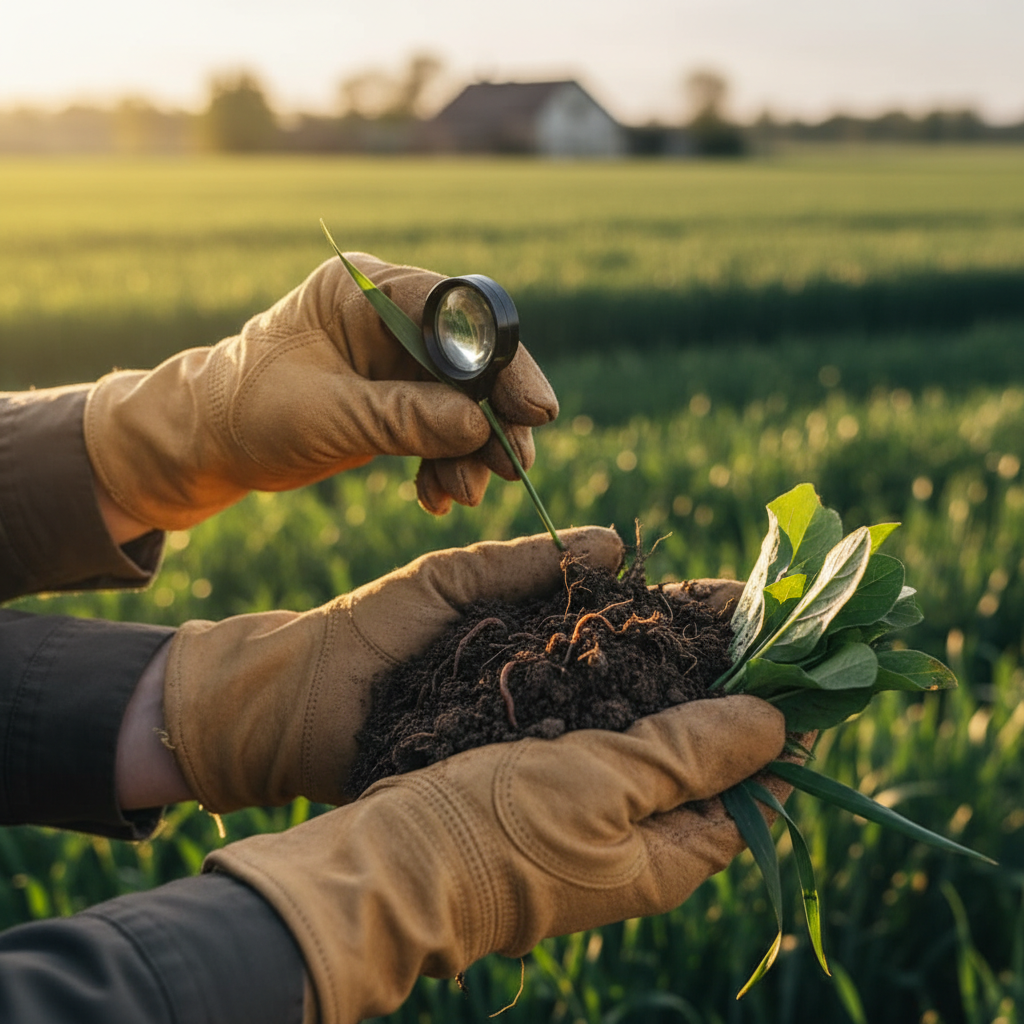
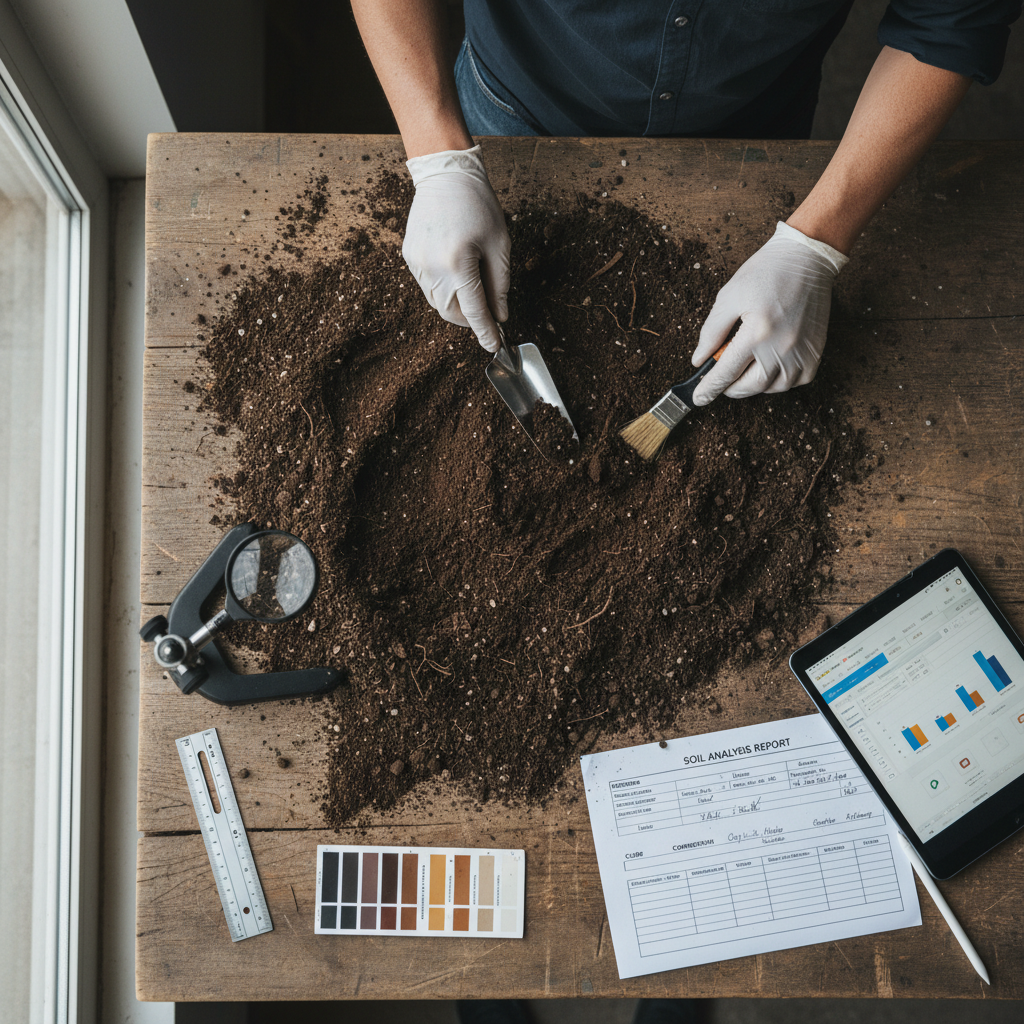
The Importance of Soil Health
Healthy soil is the foundation of successful crop production. Agronomic support starts with soil testing and analysis to determine nutrient levels and pH balance. Based on these results, farmers can apply the right fertilizers and amendments to improve soil fertility. Regular soil monitoring ensures that crops receive the nutrients they need to thrive.
Additionally, practices such as crop rotation and cover cropping can enhance soil structure and prevent erosion. These methods promote a diverse ecosystem within the soil, which supports beneficial microorganisms and improves overall soil health.
Effective Crop Management Strategies
Crop management is another essential aspect of agronomic support. This involves selecting the right crop varieties, planting at the optimal time, and employing proper spacing techniques. By using precision agriculture tools, farmers can monitor crop growth and make data-driven decisions to maximize their yields.
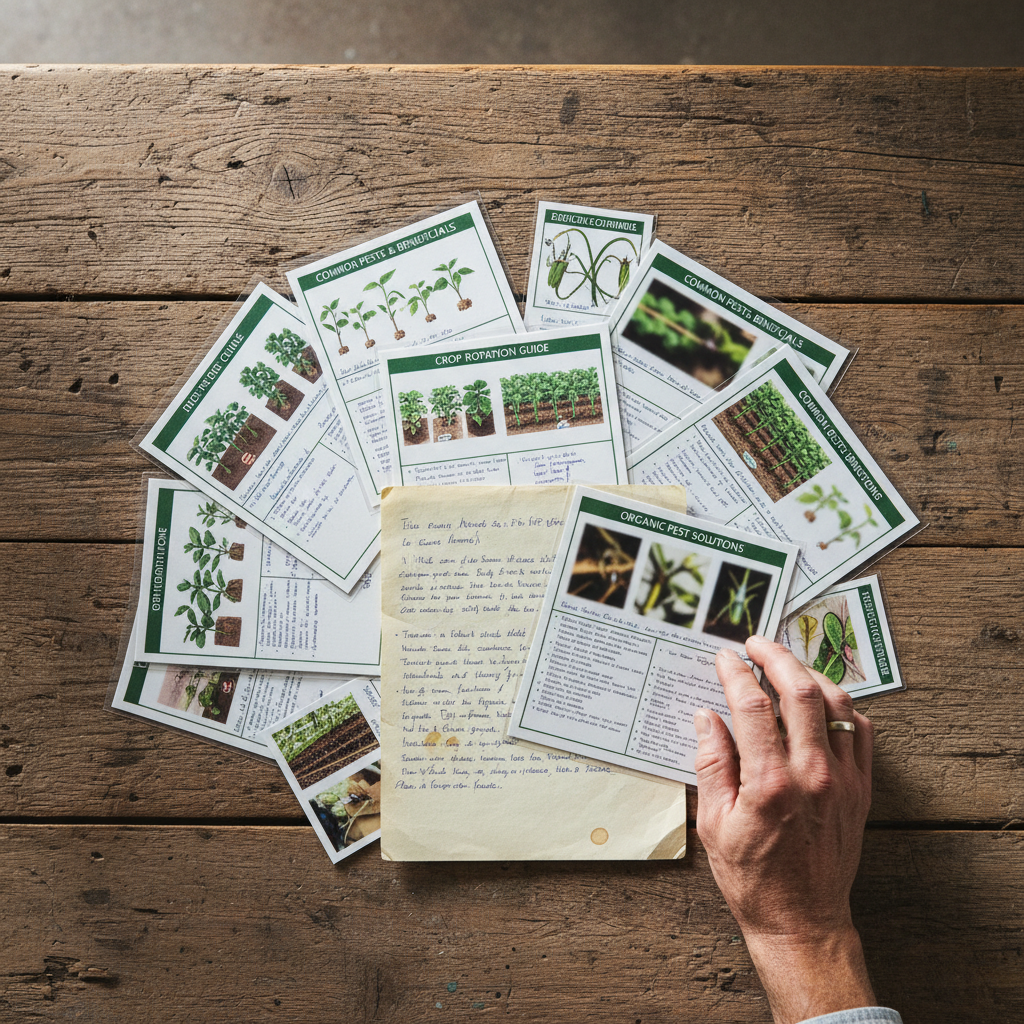
Implementing integrated pest management (IPM) strategies is also vital. IPM focuses on using biological controls and environmentally friendly practices to manage pests, reducing the reliance on chemical pesticides. This approach helps maintain a balanced ecosystem and protects crop health.
Pest and Disease Control
Pests and diseases are significant threats to crop production. Agronomic support provides farmers with the knowledge and tools to identify and manage these challenges effectively. Early detection and intervention are key to preventing significant damage.
Regular field scouting and monitoring allow for timely action against pests. By understanding pest life cycles and using targeted interventions, farmers can minimize crop losses and maintain healthy fields.
Embracing Technology in Agriculture
Modern technology plays a pivotal role in agronomic support. Tools such as drones, satellite imagery, and remote sensors provide real-time data on crop conditions. This information helps farmers make informed decisions and optimize their farming practices.
Precision agriculture technologies enable targeted applications of water, fertilizers, and pesticides, reducing waste and enhancing efficiency. By embracing these innovations, farmers can improve their productivity and sustainability.

Conclusion: The Future of Agronomic Support
Agronomic support is an evolving field that continues to adapt to the challenges of modern agriculture. By focusing on soil health, crop management, and pest control, farmers can significantly boost their crop production. Embracing technology further enhances these efforts, leading to more sustainable and productive farming practices.
With the right agronomic support, farmers can ensure a more resilient agricultural system, capable of meeting the demands of a growing global population while protecting the environment.