
Case Study: Successful Agronomic Strategies Employed by Top Farmers


Introduction
In today's rapidly evolving agricultural landscape, successful farmers are those who adapt and innovate. This case study explores the agronomic strategies employed by top farmers, focusing on how they increase yields, improve soil health, and embrace sustainable practices.
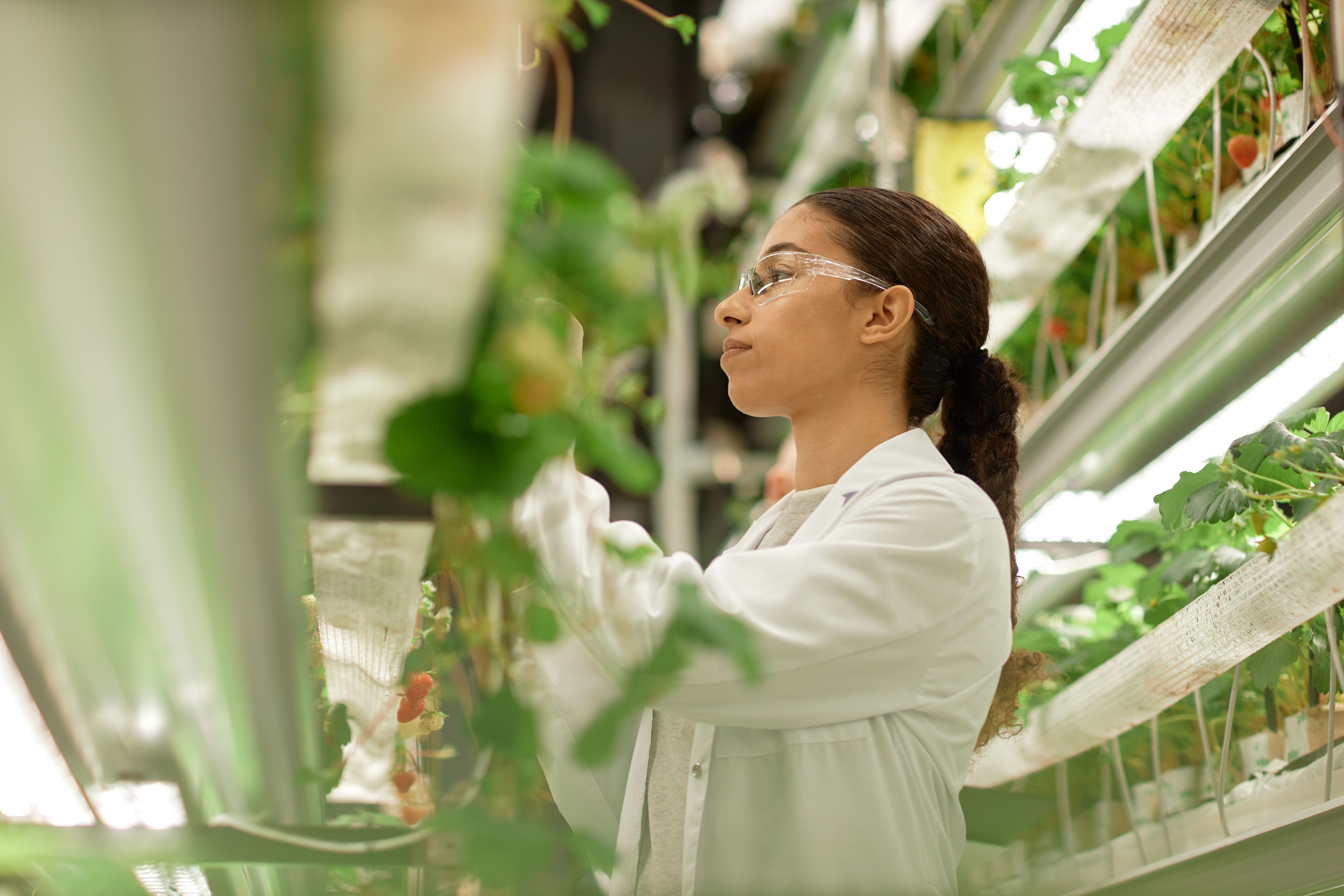
Precision Agriculture
Precision agriculture is revolutionizing the way farming is conducted. By leveraging technology such as GPS and remote sensing, farmers can optimize field-level management regarding crop farming. Key benefits include:
- Enhanced Efficiency: Precision tools help in applying the right amount of inputs at the right time.
- Cost Reduction: Reducing waste leads to significant savings on fertilizers, seeds, and pesticides.
- Environmental Protection: Minimizing excess input helps in reducing the environmental impact.
Data-Driven Decisions
Top farmers use data analytics to make informed decisions. By analyzing historical data and real-time metrics, they can predict trends and adjust their strategies accordingly. This approach leads to improved crop performance and resource management.

Soil Health Management
Maintaining soil health is crucial for sustainable agriculture. Innovative farmers implement practices such as cover cropping and no-till farming to enhance soil fertility and structure. These practices offer multiple benefits:
- Improved Nutrient Cycling: Cover crops help in retaining soil nutrients.
- Reduced Erosion: No-till farming minimizes soil disturbance.
- Increased Biodiversity: Promotes a healthier ecosystem in the soil.
Organic Amendments
Utilizing organic amendments like compost and manure enriches the soil with essential nutrients and improves water retention. Farmers who adopt these practices report healthier crops and increased microbial activity in the soil.

Integrated Pest Management
Integrated Pest Management (IPM) is a holistic approach that combines biological, cultural, physical, and chemical tools to manage pests effectively and sustainably. Farmers benefit by:
- Reducing Chemical Use: Reliance on natural predators and biopesticides.
- Promoting Crop Diversity: Reduces pest outbreaks through strategic crop rotation.
- Enhancing Crop Resilience: Healthier crops can better withstand pest pressures.
Collaboration and Education
Successful farmers often collaborate with agronomists, researchers, and fellow farmers to stay updated on the latest practices and technologies. Participation in workshops and field days enhances their knowledge and ability to implement new strategies effectively.

Conclusion
The success of top farmers lies in their ability to integrate technology, sustainability, and collaboration into their practices. By adopting these agronomic strategies, they not only improve productivity but also contribute positively to the environment. As agriculture continues to evolve, these approaches will play a vital role in shaping the future of farming.