
Choosing the Right Agricultural Inputs: A Ghanaian Farmer's Guide


Understanding Agricultural Inputs
Choosing the right agricultural inputs is crucial for maximizing farm productivity. Inputs such as seeds, fertilizers, and pesticides play a significant role in determining the quality and quantity of your harvest. For Ghanaian farmers, making informed decisions about these inputs can lead to increased yields and profitability.
Inputs are broadly classified into three categories: seeds, fertilizers, and pesticides. Each category has its own set of considerations and best practices. Understanding these can help you make choices that are tailored to your specific farming needs.
Selecting Quality Seeds
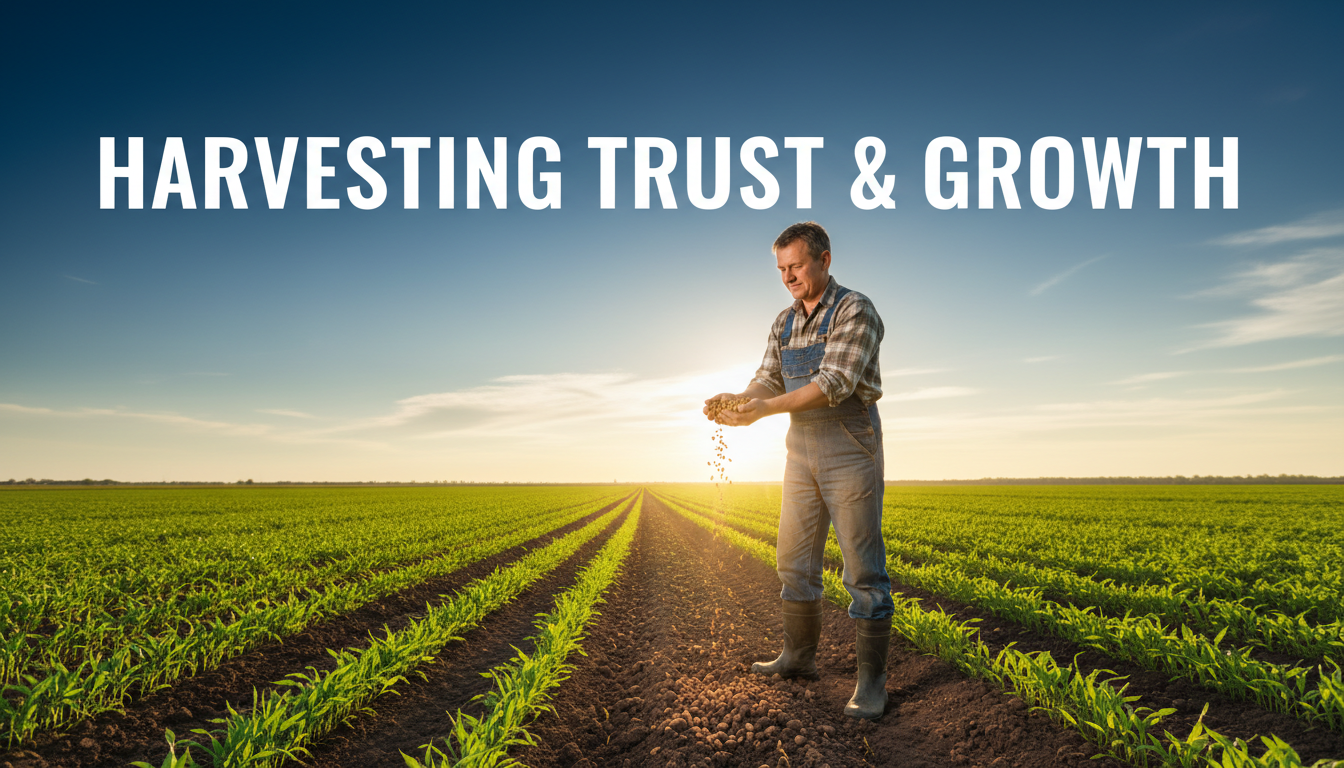
The foundation of a successful crop is quality seeds. Selecting the right seeds involves considering factors such as climate, soil type, and crop variety. In Ghana, it's important to choose seeds that are resistant to local pests and diseases. Additionally, certified seeds often provide better germination rates and higher yields.
Farmers should look for seeds that are certified by recognized bodies and check for expiration dates to ensure viability. Engaging with local agricultural extension services can provide valuable insights into the most suitable seed varieties for your region.
Fertilizers: Boosting Soil Health
Fertilizers supply essential nutrients that enhance soil fertility and promote healthy plant growth. In Ghana, the choice of fertilizers should be based on soil tests that identify nutrient deficiencies. Both organic and inorganic fertilizers have their benefits, and the choice depends on your specific needs and farming practices.
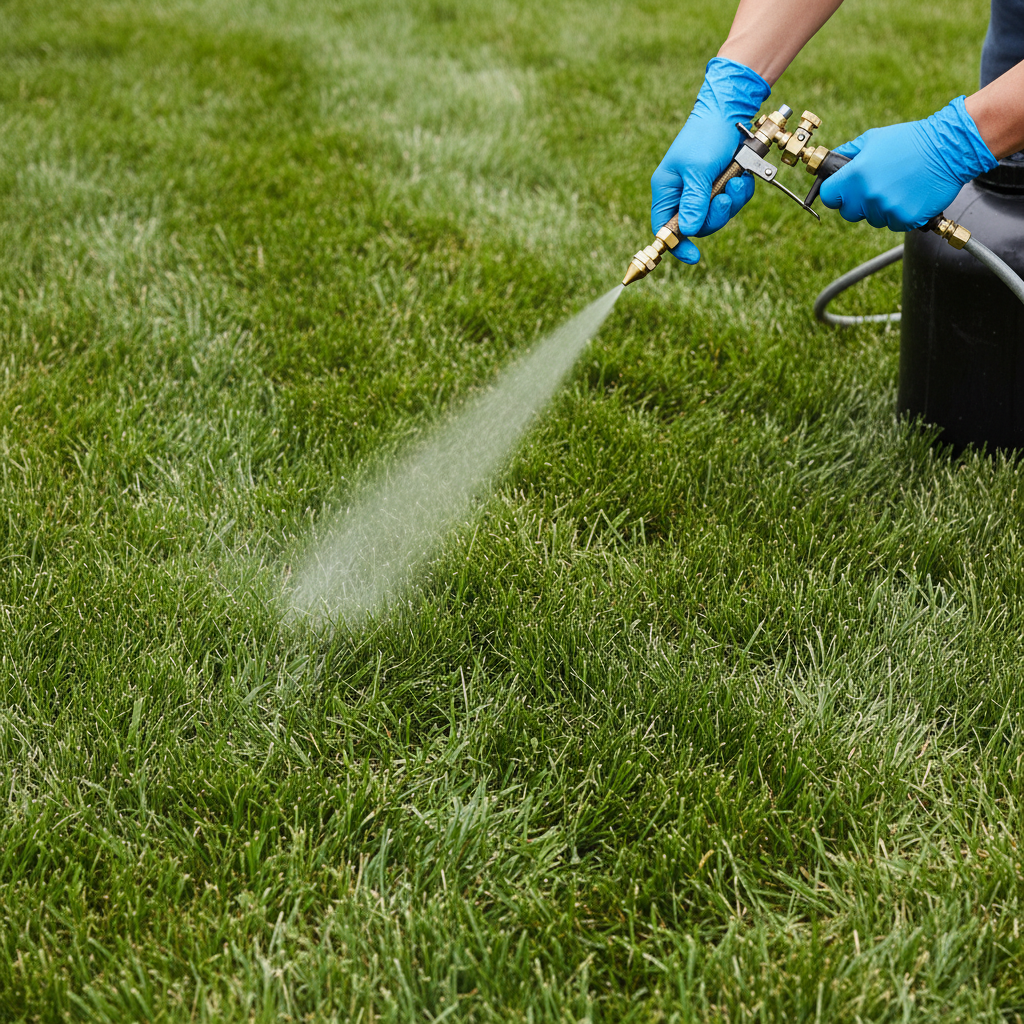
Using the right amount of fertilizer is crucial to avoid nutrient runoff and environmental damage. Consider implementing a balanced fertilization strategy that combines different types of fertilizers for optimal results.
Pesticides: Protecting Your Crop
Pests and diseases can significantly impact crop yields. Choosing the right pesticides involves understanding the specific threats to your crops and selecting products that effectively target these issues. It's essential to use pesticides responsibly to minimize environmental impact and ensure food safety.
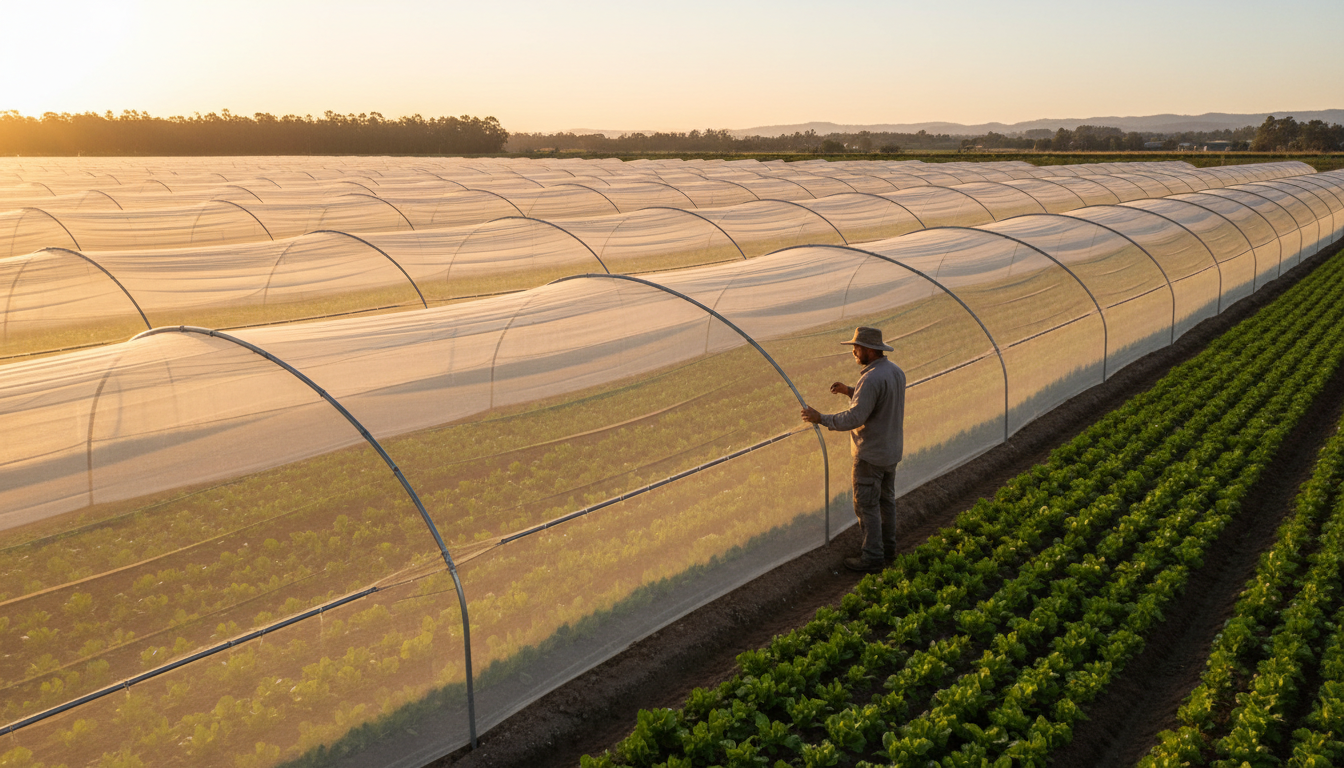
Integrated Pest Management (IPM) strategies can be a sustainable way to manage pests. This approach combines biological, cultural, and chemical methods to reduce pest populations while minimizing harm to the ecosystem.
Making Informed Decisions
To make the best choices for your farm, it's important to stay informed about the latest agricultural technologies and practices. Attending workshops, collaborating with fellow farmers, and consulting agricultural experts can provide valuable knowledge and insights.
Additionally, accessing government programs and subsidies can help reduce the costs of high-quality inputs. Familiarize yourself with available resources and support systems that can assist in improving your farming operations.
Conclusion
Choosing the right agricultural inputs is a vital step towards achieving a successful harvest. By selecting quality seeds, appropriate fertilizers, and effective pesticides, Ghanaian farmers can enhance their productivity and sustainability. Stay informed, seek expert advice, and make decisions that are tailored to your specific agricultural needs.
With careful planning and informed choices, you can optimize your farm's output and contribute to the growth of Ghana's agricultural sector.