Common Misconceptions About Greenhouse Farming in Ghana


Understanding the Basics of Greenhouse Farming
Greenhouse farming is an innovative agricultural method gaining popularity in Ghana. It provides a controlled environment for crops, which can lead to higher yields and better quality produce. However, there are numerous misconceptions surrounding this practice that need to be addressed for farmers and investors to make informed decisions.
Misconception 1: Greenhouse Farming is Too Expensive
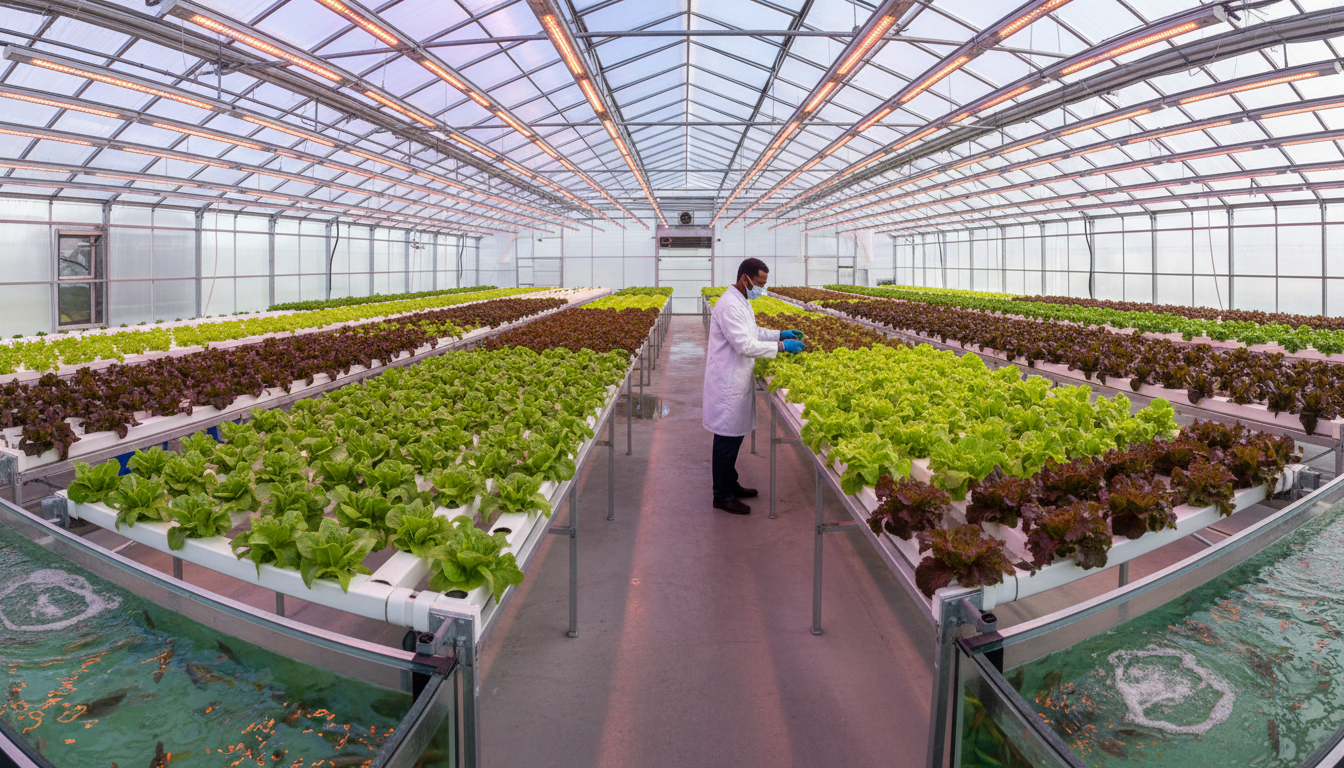
One common belief is that greenhouse farming requires a significant financial investment, making it inaccessible to small-scale farmers. While it's true that initial setup costs can be high, the long-term benefits often outweigh the expenses. Greenhouses can lead to increased productivity and reduced losses from pests and weather conditions, ultimately providing a good return on investment.
Farmers can also start small and gradually expand their operations. There are various types of greenhouses, ranging from simple, low-cost structures to high-tech facilities. With proper planning and resource allocation, even small-scale farmers can benefit from this farming technique.
Misconception 2: Only Exotic Crops Can Be Grown
Another misconception is that greenhouses are only suitable for growing exotic or non-native crops. In reality, greenhouses in Ghana are being used to cultivate a variety of local crops, including tomatoes, peppers, and cucumbers. The controlled environment allows for year-round production, increasing food security and providing a steady income for farmers.

Misconception 3: Greenhouse Farming is Not Sustainable
Some critics argue that greenhouse farming is not environmentally sustainable due to its reliance on artificial inputs and energy consumption. However, advancements in technology have led to more sustainable practices. For instance, many greenhouses now utilize solar energy, rainwater harvesting, and organic fertilizers to minimize their environmental impact.
Additionally, greenhouses can significantly reduce the need for chemical pesticides, as the controlled environment naturally deters pests. This leads to healthier produce and a reduced ecological footprint.
Misconception 4: Greenhouses Do Not Require Skilled Labor
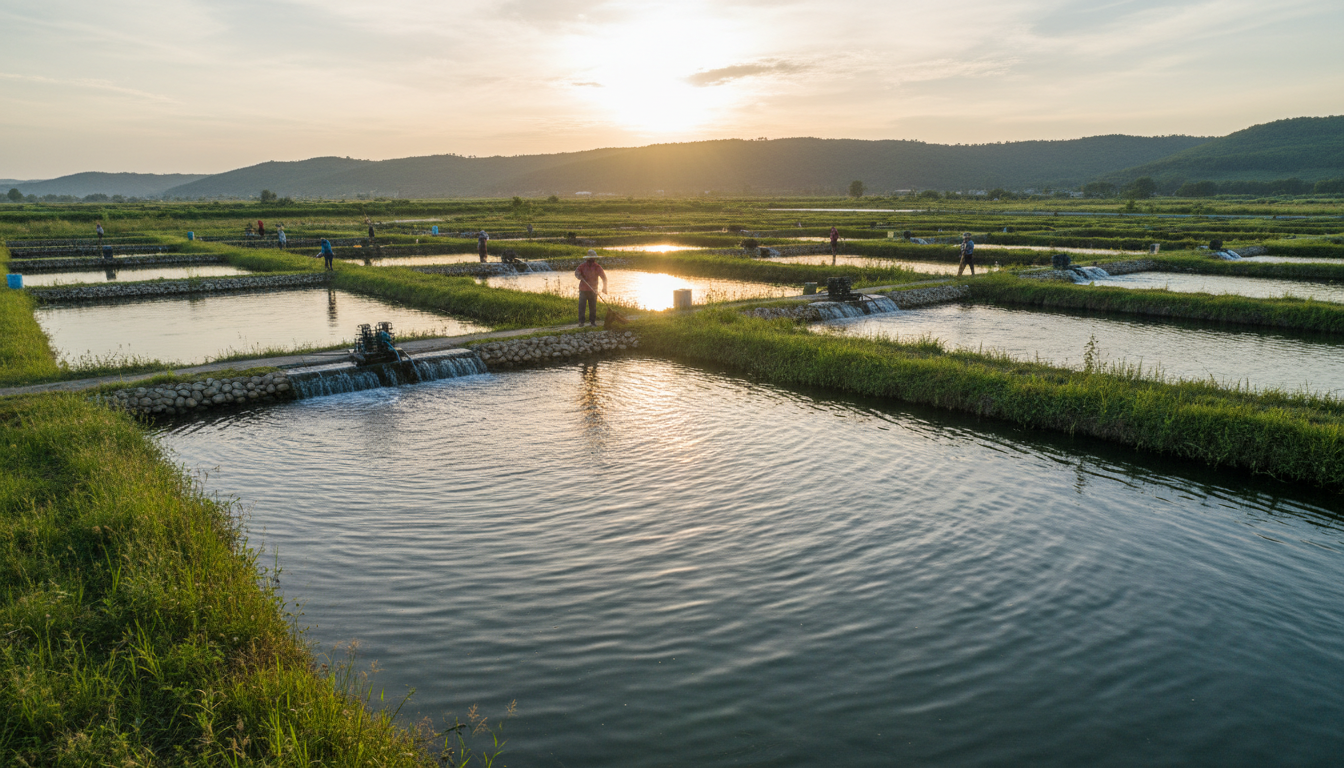
There is a belief that greenhouse farming is a simple process that does not require specialized skills. In contrast, managing a greenhouse involves understanding plant biology, climate control, and pest management. Training programs and workshops are available across Ghana to equip farmers with the necessary skills to efficiently manage their greenhouse operations.
Investing in education and training is crucial for maximizing the potential benefits of greenhouse farming. By doing so, farmers can enhance their productivity and contribute to the growth of the agricultural sector in Ghana.
Conclusion: Embracing the Future of Agriculture
Greenhouse farming holds great promise for the future of agriculture in Ghana. By addressing these misconceptions, stakeholders can better support the expansion of this innovative practice. With proper investment, education, and sustainable practices, greenhouse farming can play a vital role in enhancing food security and economic growth.