
Comprehensive Guide to Greenhouse Farming in Ghana


Introduction to Greenhouse Farming in Ghana
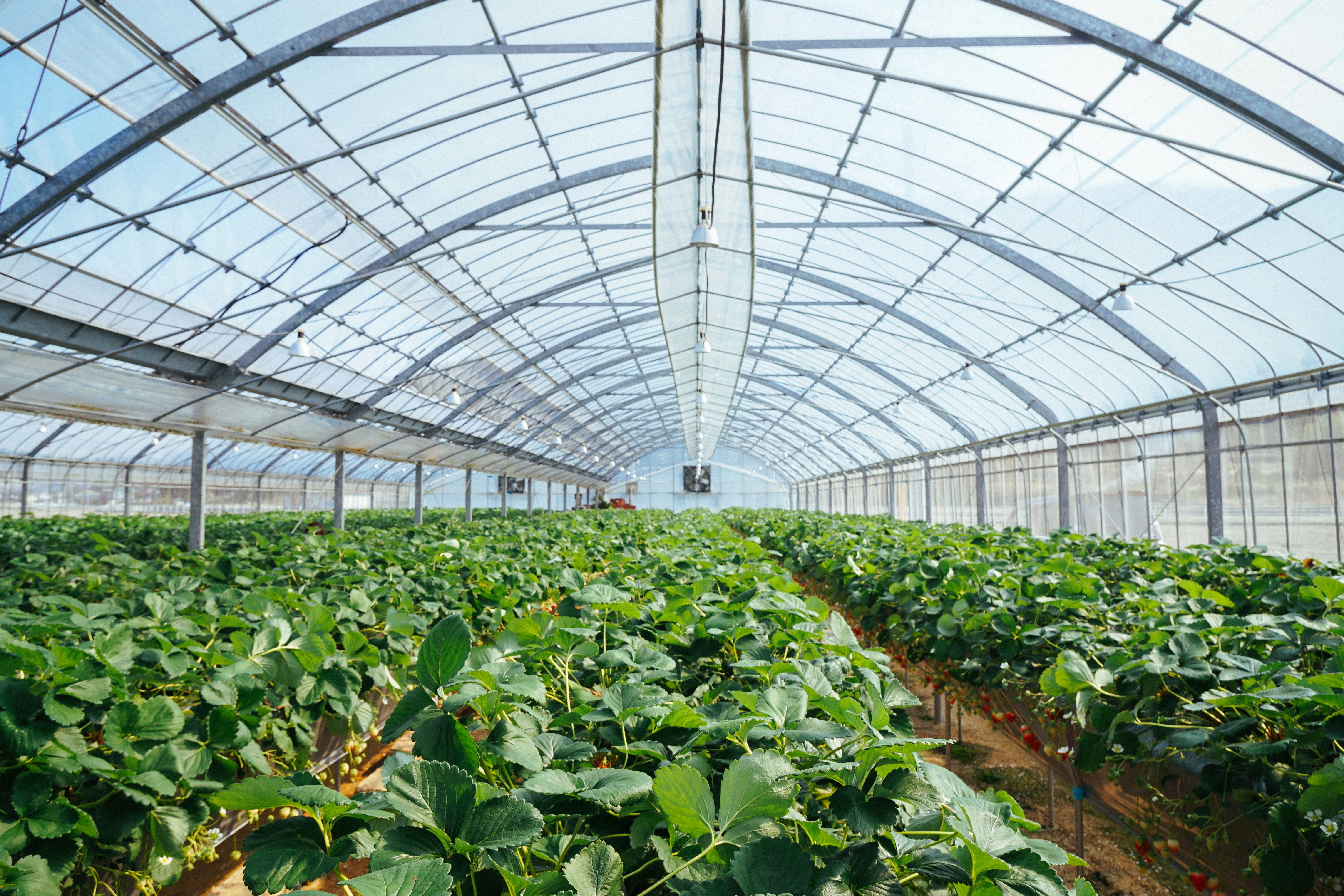
Greenhouse farming is rapidly gaining popularity in Ghana, offering a sustainable and efficient way to produce crops. This method provides a controlled environment to grow a variety of fruits and vegetables, overcoming challenges posed by climate variability. As more farmers recognize its potential, greenhouse farming is becoming a vital part of Ghana's agricultural landscape.
The Benefits of Greenhouse Farming
One of the key advantages of greenhouse farming is its ability to increase crop yields. By controlling temperature, humidity, and light, farmers can create optimal growing conditions year-round. This results in higher productivity and better quality produce compared to traditional farming methods.
Additionally, greenhouses minimize the use of pesticides and fertilizers, contributing to more sustainable agricultural practices. This approach not only benefits the environment but also improves the health and safety of consumers.
Setting Up a Greenhouse in Ghana
Establishing a greenhouse in Ghana requires careful planning and investment. Here’s a step-by-step guide to get started:
- Site Selection: Choose a location with good access to sunlight and water.
- Design and Construction: Decide on the type of greenhouse structure and materials based on your budget and crop needs.
- Climate Control: Implement systems for temperature, humidity, and ventilation control.
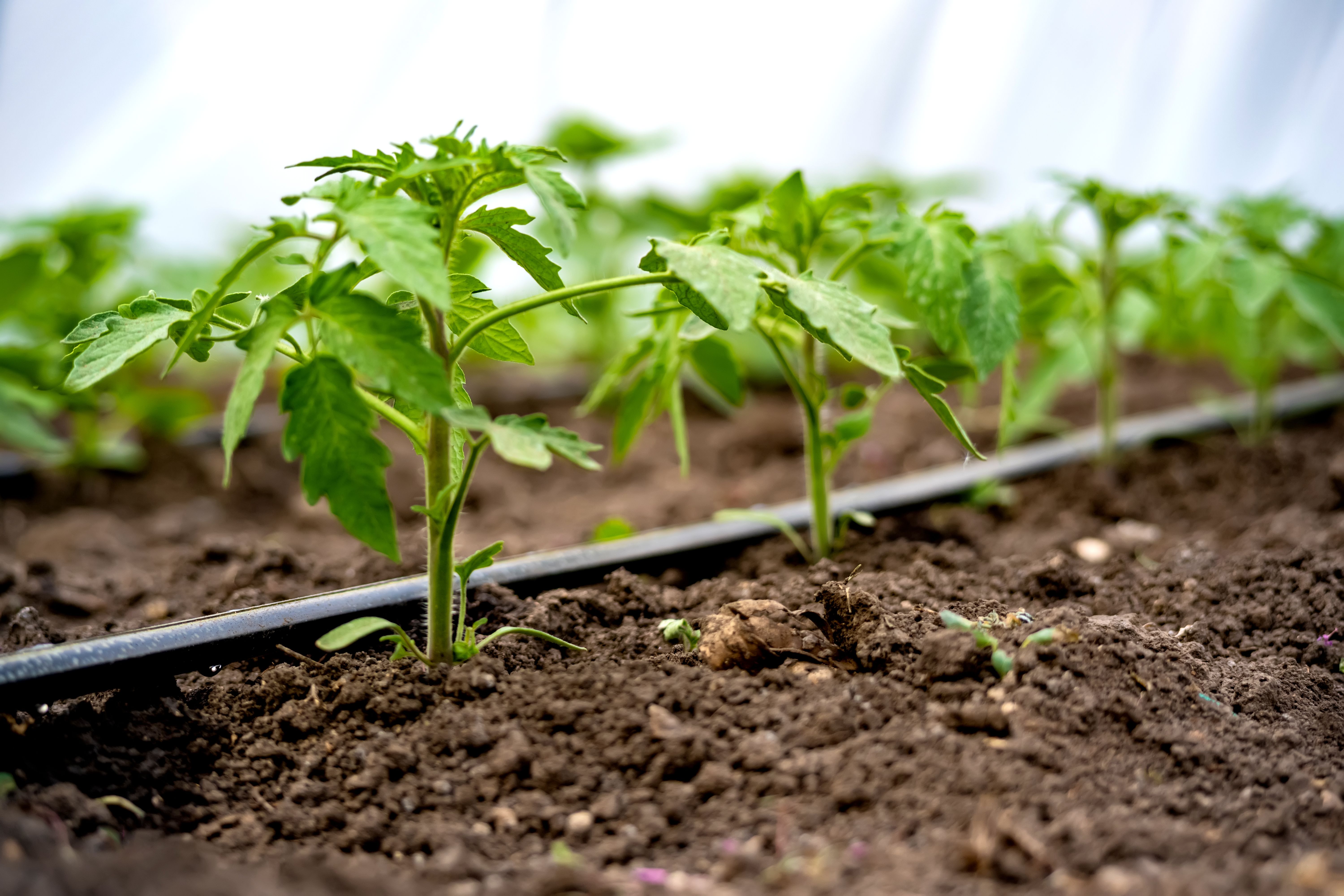
- Watering and Fertilization: Set up irrigation systems and determine a fertilization plan.
Popular Crops for Greenhouse Farming
In Ghana, several crops thrive in greenhouse environments. Some of the most popular include:
- Tomatoes
- Peppers
- Cucumbers
- Lettuce
These crops benefit from controlled conditions that reduce disease and pest risks, leading to healthier and more abundant harvests.
Challenges and Solutions
Despite its advantages, greenhouse farming in Ghana faces several challenges. High initial costs and lack of technical expertise can be barriers for many farmers. However, with proper training and government support, these obstacles can be overcome.
Organizations are offering workshops and resources to help farmers learn best practices for greenhouse management. Additionally, financial assistance programs are available to support the initial investment costs.
Future Prospects of Greenhouse Farming
As the demand for high-quality produce increases, greenhouse farming in Ghana is poised for growth. With advancements in technology and increased awareness, more farmers are likely to adopt this method, contributing to food security and economic development.
Embracing greenhouse farming offers a path to sustainable agriculture, ensuring that Ghana can meet the nutritional needs of its population while preserving natural resources for future generations.