
Comprehensive Guide to Greenhouse Management in Ghana


Introduction to Greenhouse Management
Greenhouse farming in Ghana is gaining momentum due to its potential to boost agricultural productivity. By creating a controlled environment, farmers can grow crops year-round, increase yields, and combat the challenges posed by climate change. This guide explores key aspects of greenhouse management to help you establish and maintain a successful greenhouse operation.
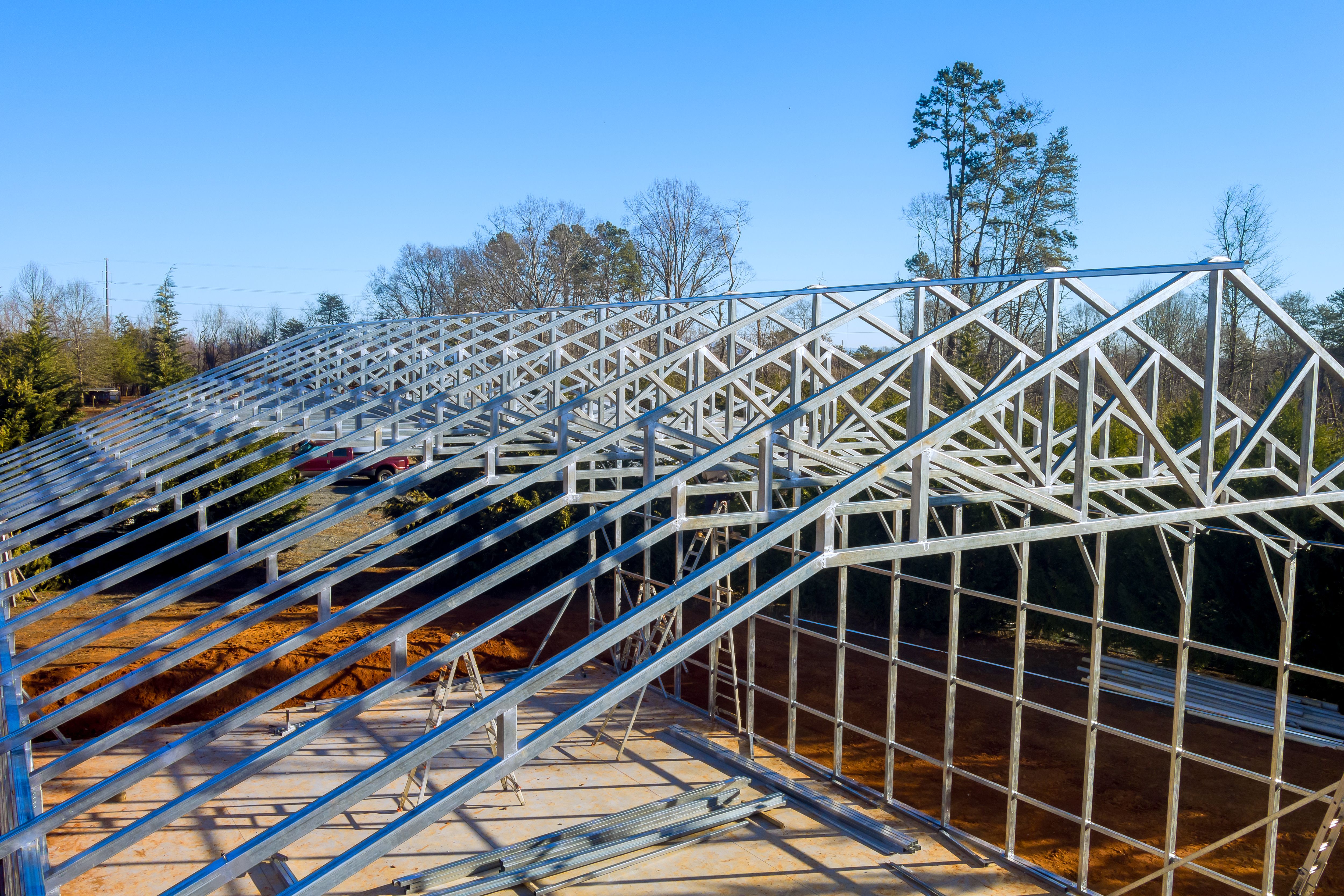
The process begins with selecting the right greenhouse structure. Different types include plastic tunnels, glasshouses, and shade houses. The choice depends on factors such as budget, crop type, and climatic conditions. Carefully consider your options to ensure the best fit for your farming goals.
Climate Control and Ventilation
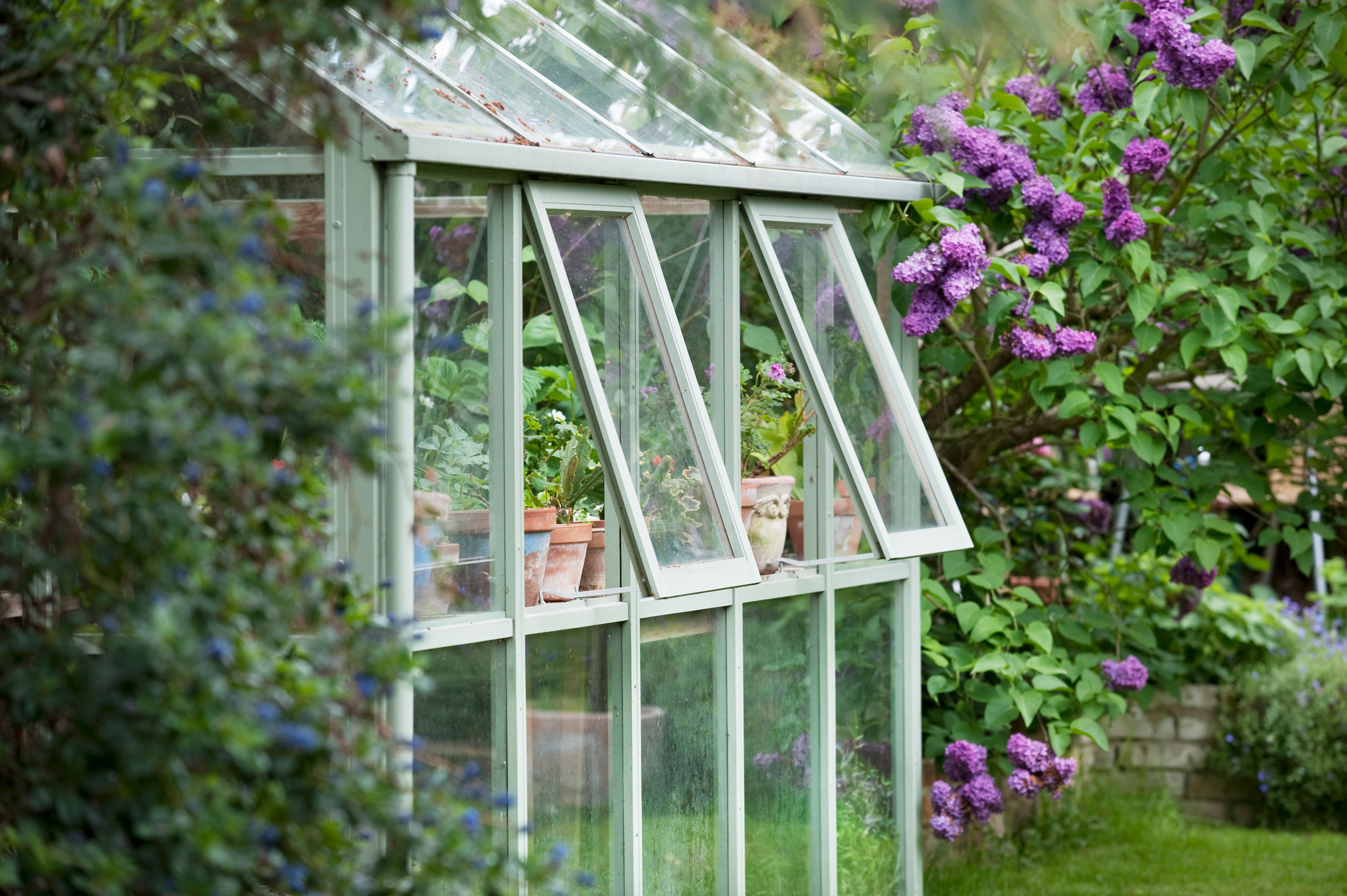
Maintaining an optimal climate is crucial for plant growth. Temperature, humidity, and light levels need regular monitoring and adjustment. Automated systems can help manage these factors effectively, but manual adjustments may also be necessary.
Proper ventilation is essential to prevent overheating and ensure a steady supply of fresh air. Install vents and fans to facilitate air circulation. This will help control humidity levels and reduce the risk of disease.
Soil and Nutrient Management
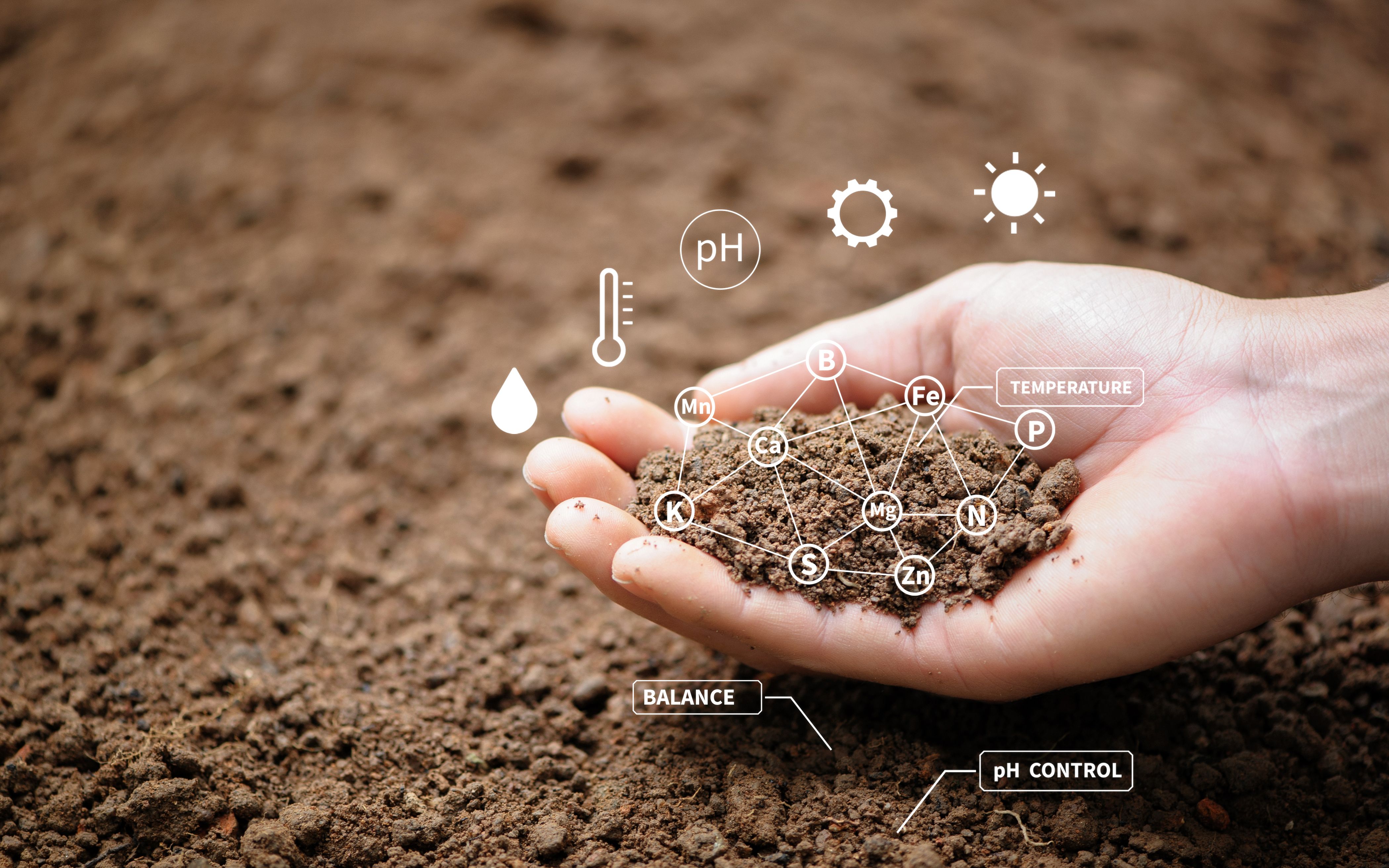
Choosing the appropriate growing medium is vital. Many Ghanaian greenhouses utilize soil-based systems, but hydroponics and aquaponics are also gaining popularity. Whichever method you choose, ensure that your plants receive the necessary nutrients for optimal growth.
Implement a regular soil testing routine to monitor nutrient levels and adjust fertilization accordingly. This will help maintain soil health and enhance crop production.
Pest and Disease Control
Pests and diseases pose significant threats to greenhouse crops. Integrated Pest Management (IPM) strategies can help you keep these issues in check. This includes using biological control agents, such as beneficial insects, and applying organic or synthetic pesticides as needed.
Regular monitoring and early detection are crucial. Set up traps and conduct routine inspections to catch problems early and take appropriate action.
Water Management
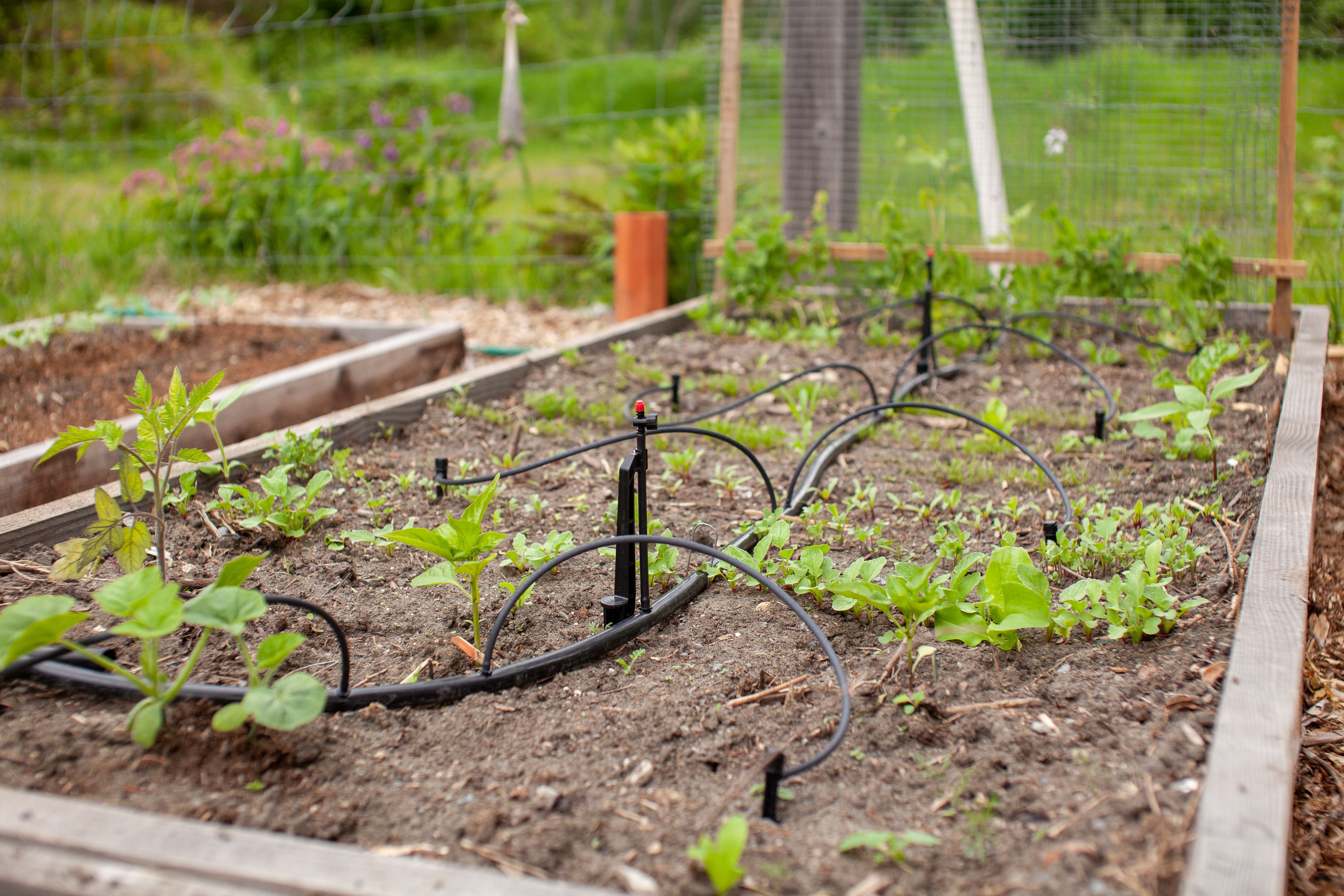
Efficient water use is essential in greenhouse management. Drip irrigation systems are commonly used to provide plants with a consistent and precise water supply. This method reduces water wastage and improves plant health.
Collect rainwater and use it for irrigation whenever possible. This sustainable practice can help conserve resources and reduce costs.
Crop Selection and Rotation
Choosing the right crops for your greenhouse is crucial. Consider market demand, climate suitability, and crop compatibility when making your selection. Popular greenhouse crops in Ghana include tomatoes, peppers, cucumbers, and herbs.
Implement crop rotation to prevent soil nutrient depletion and reduce pest and disease buildup. This practice helps maintain soil fertility and supports long-term productivity.
Conclusion
Greenhouse management in Ghana offers a promising pathway to increased agricultural productivity and sustainability. By focusing on the key areas discussed, you can create a thriving greenhouse environment that supports healthy crop growth and contributes to food security.
Stay informed about the latest advancements in greenhouse technology and continuously adapt your practices to meet changing conditions and market demands.