
Comprehensive Guide to Starting a Greenhouse in Ghana


Starting a greenhouse in Ghana can be an exciting and profitable venture. With its favorable climate and growing demand for fresh produce, Ghana offers numerous opportunities for greenhouse farming. This comprehensive guide will walk you through the essential steps to establish a successful greenhouse business in Ghana.
Understanding the Greenhouse Concept
A greenhouse is a controlled environment designed to optimize plant growth. It provides protection against adverse weather conditions, pests, and diseases, allowing for consistent crop production throughout the year. In Ghana, greenhouses are increasingly popular for growing vegetables, herbs, and ornamental plants.
Greenhouses vary in size and complexity, ranging from small, simple structures to large, technologically advanced facilities. Understanding your specific needs and resources will help determine the appropriate type of greenhouse for your venture.
Choosing the Right Location
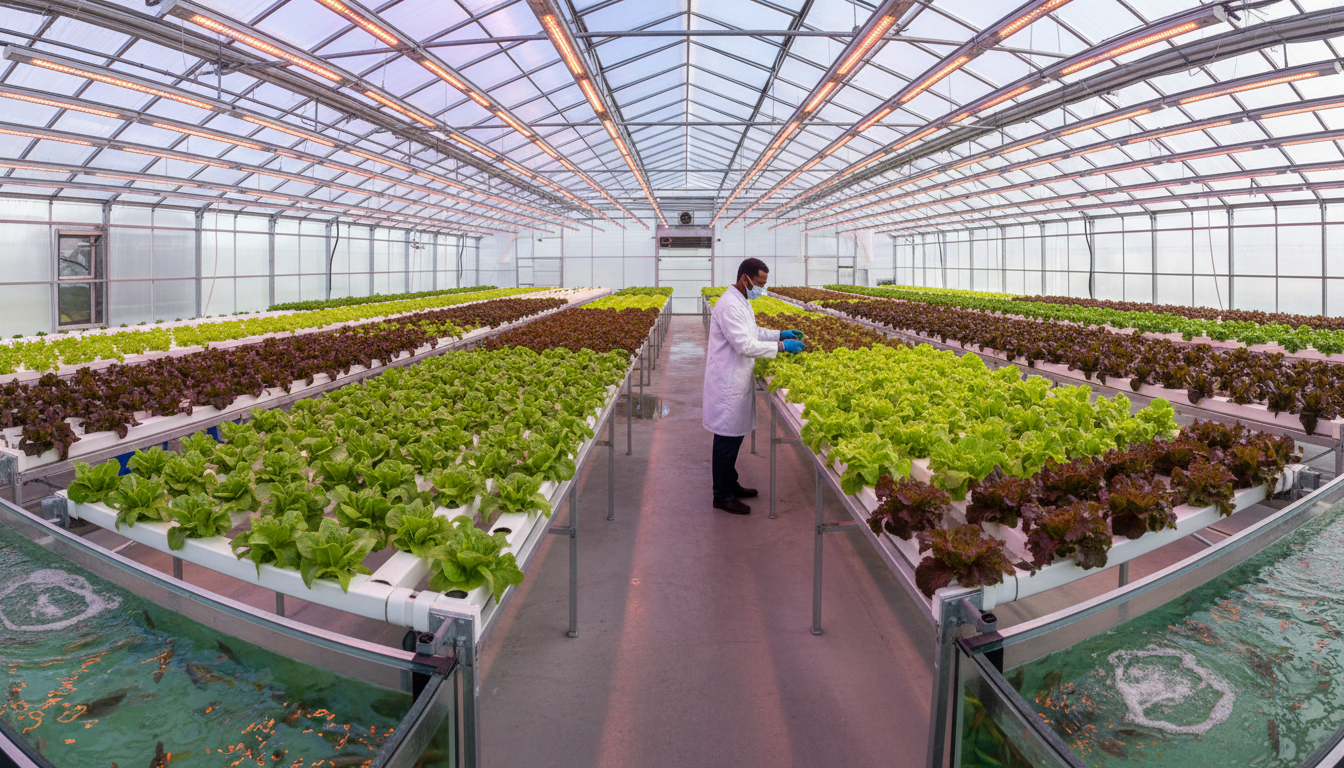
Location is crucial for a successful greenhouse. Consider factors such as accessibility, water availability, and proximity to markets. Ideally, the site should have good road access to facilitate transportation of materials and produce. Additionally, ensure that there is a reliable water source nearby, as irrigation is vital for greenhouse farming.
Conduct a thorough site analysis to evaluate soil quality and topography. A flat, well-drained area with fertile soil will reduce the need for extensive land preparation and improve plant growth.
Selecting Crops to Grow
Choosing the right crops is essential for maximizing profits. In Ghana, popular greenhouse crops include tomatoes, peppers, cucumbers, and lettuce. Consider market demand, climate suitability, and your expertise when selecting crops.
It's advisable to start with a few crops and gradually diversify as you gain experience. Conduct market research to understand consumer preferences and identify niche opportunities that can give you a competitive edge.
Constructing Your Greenhouse
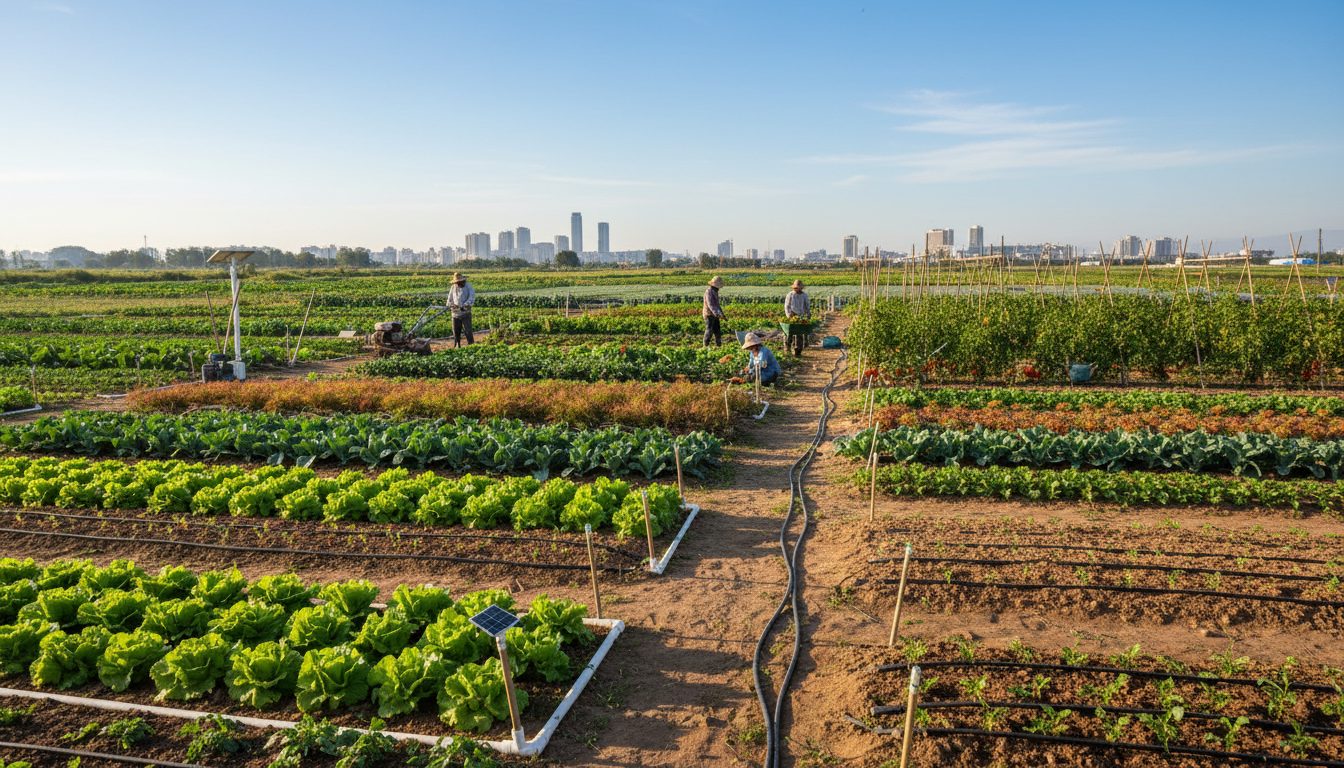
The construction of your greenhouse should be tailored to your budget and intended crops. Materials such as polyethylene and polycarbonate are commonly used for covering the structure, providing effective insulation and light diffusion.
Ensure that the greenhouse design includes proper ventilation, shading, and temperature control systems. These features are vital for maintaining an optimal growing environment and preventing heat stress in plants.
Installation of Essential Systems
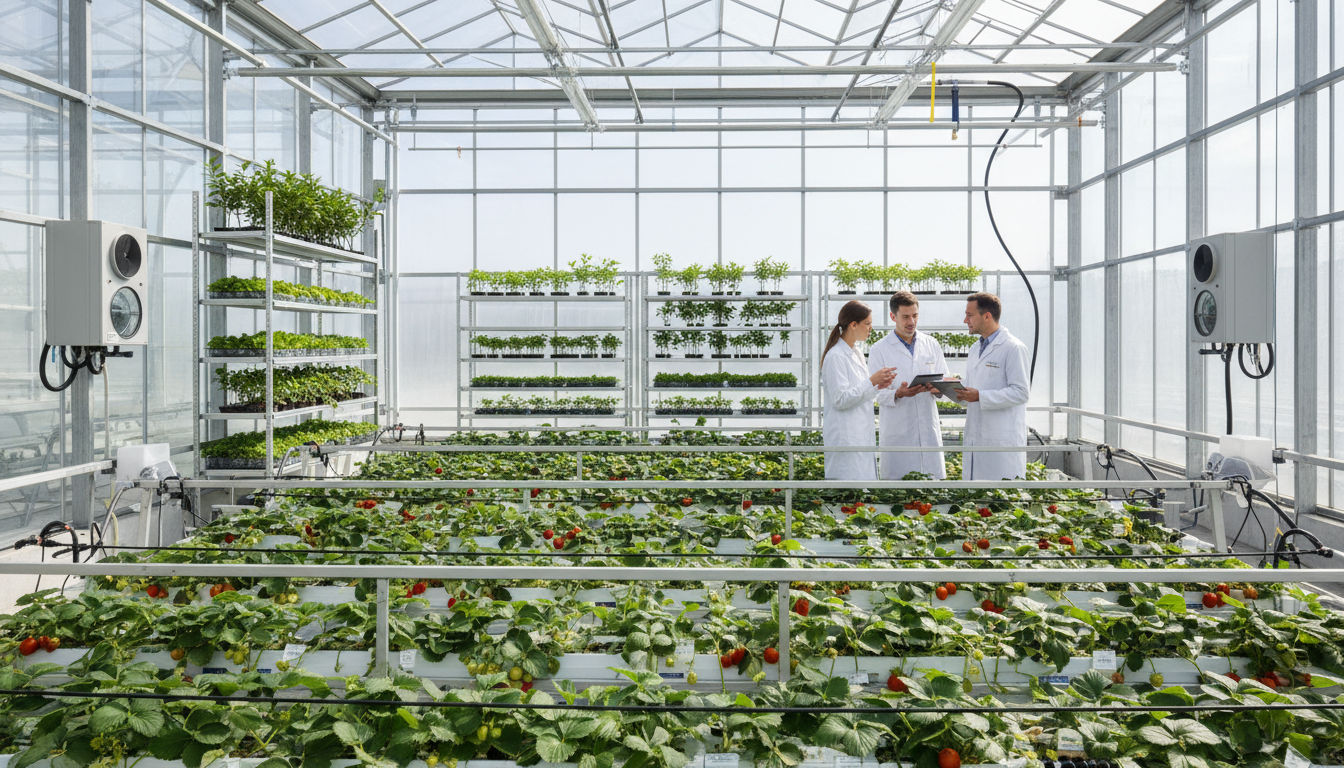
Equipping your greenhouse with the right systems is crucial for efficient operation. Install an irrigation system to ensure consistent water supply and nutrient delivery. Drip irrigation is commonly used for its water efficiency and ability to target plant roots directly.
Consider integrating pest and disease management strategies, such as biological controls and integrated pest management (IPM) practices, to maintain plant health and reduce chemical usage.
Marketing and Selling Your Produce
Effective marketing strategies are essential for reaching potential customers and maximizing profits. Establish relationships with local markets, grocery stores, and restaurants to secure consistent buyers for your produce.
Consider diversifying your sales channels by exploring online platforms and farmers' markets. Building a strong brand identity and highlighting the quality and sustainability of your produce can help attract loyal customers.
By following this comprehensive guide, you can successfully establish and grow a profitable greenhouse business in Ghana. Embrace the potential of greenhouse farming to contribute to sustainable agriculture and meet the growing demand for fresh produce in the region.