
Debunking Common Myths About Greenhouse Farming in Ghana


Understanding Greenhouse Farming
Greenhouse farming is becoming increasingly popular in Ghana, offering a controlled environment for growing various crops. However, several myths persist, leading to misunderstandings about its effectiveness and applicability. This article aims to debunk some of these common myths and provide clarity on the benefits and realities of greenhouse farming in Ghana.
In recent years, the adoption of greenhouse farming has grown due to its potential to improve crop yields and sustainability. Despite this, misconceptions continue to circulate, often discouraging potential farmers from exploring this innovative agricultural method.
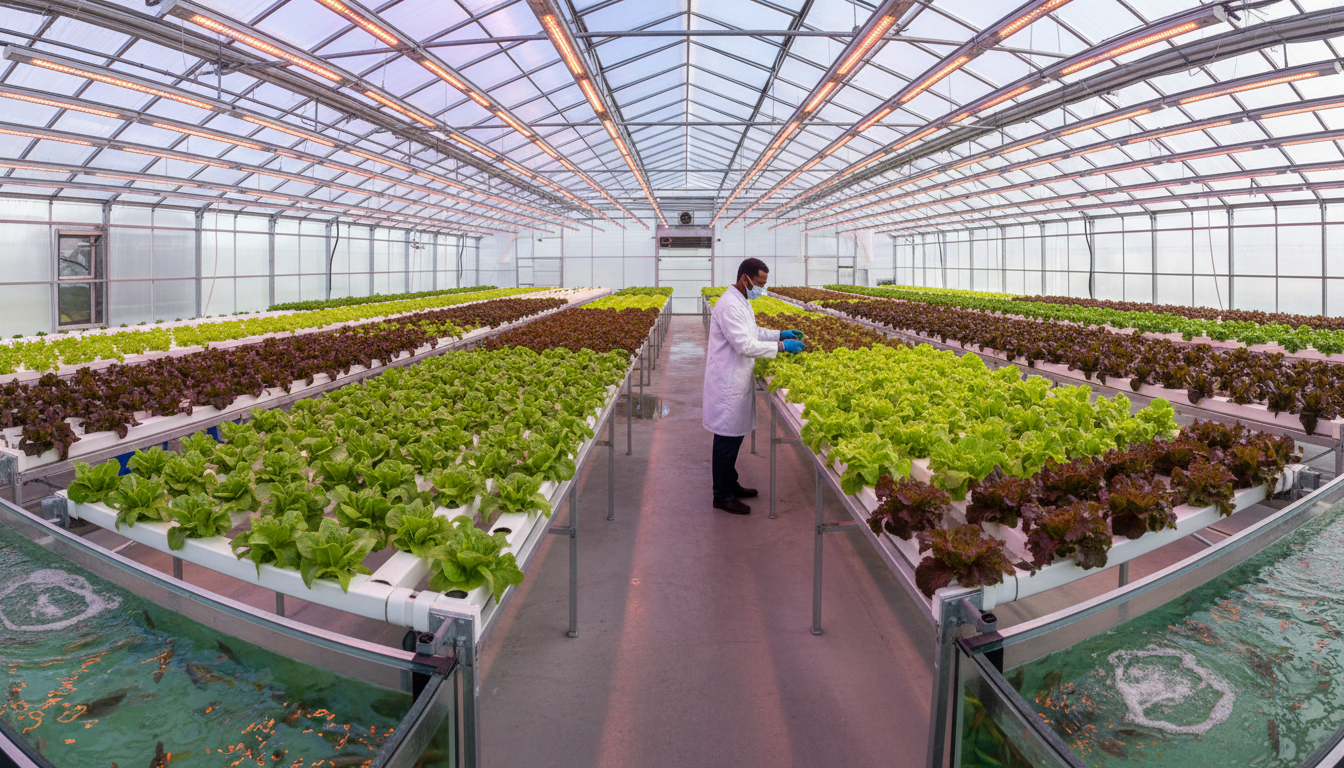
Myth 1: Greenhouse Farming is Only for Developed Countries
One prevalent myth is that greenhouse farming is suitable only for developed countries with advanced technology. In reality, greenhouse farming is adaptable and can be tailored to fit the resources and needs of farmers in Ghana. Local innovations and materials can be utilized to construct cost-effective greenhouses that are just as efficient as their high-tech counterparts.
Furthermore, many successful greenhouse projects in Ghana demonstrate that local farmers can achieve impressive results by adopting this method, thus contributing to food security and economic growth.
Myth 2: Greenhouse Farming is Too Expensive
Another common misconception is that establishing a greenhouse is prohibitively expensive. While the initial investment can be significant, it's essential to consider the long-term benefits. Greenhouses can lead to higher yields and reduced crop losses, ultimately offering a good return on investment.
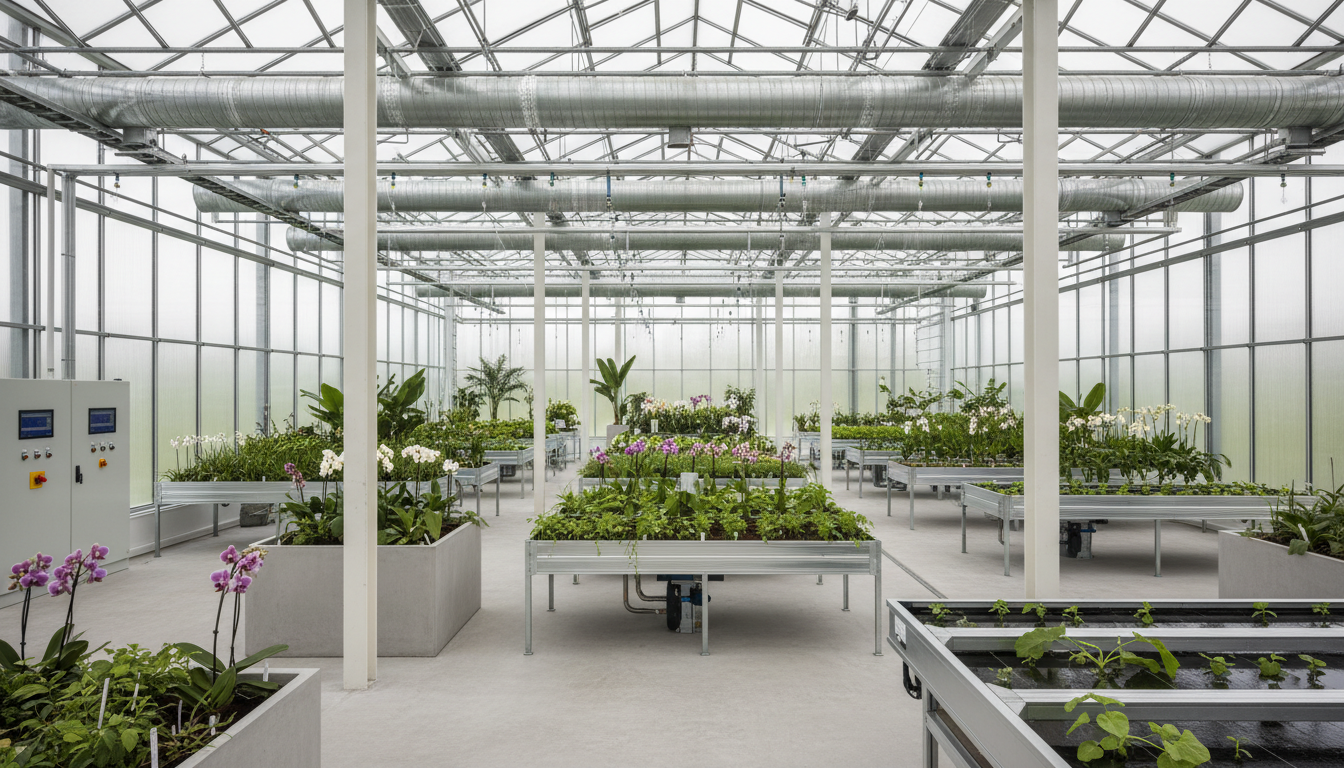
Additionally, there are various funding options and governmental support programs available to assist farmers in starting their greenhouse projects. By taking advantage of these opportunities, farmers can offset some of the initial costs.
Myth 3: Greenhouse Farming is Not Environmentally Friendly
Some believe that greenhouse farming is not environmentally friendly due to the use of synthetic materials and energy. However, greenhouses actually promote sustainable practices by optimizing water usage, reducing the need for pesticides, and allowing for year-round cultivation. This can lead to a smaller carbon footprint compared to traditional farming methods.
Moreover, many greenhouses in Ghana are now incorporating renewable energy sources, such as solar panels, to further enhance their sustainability.
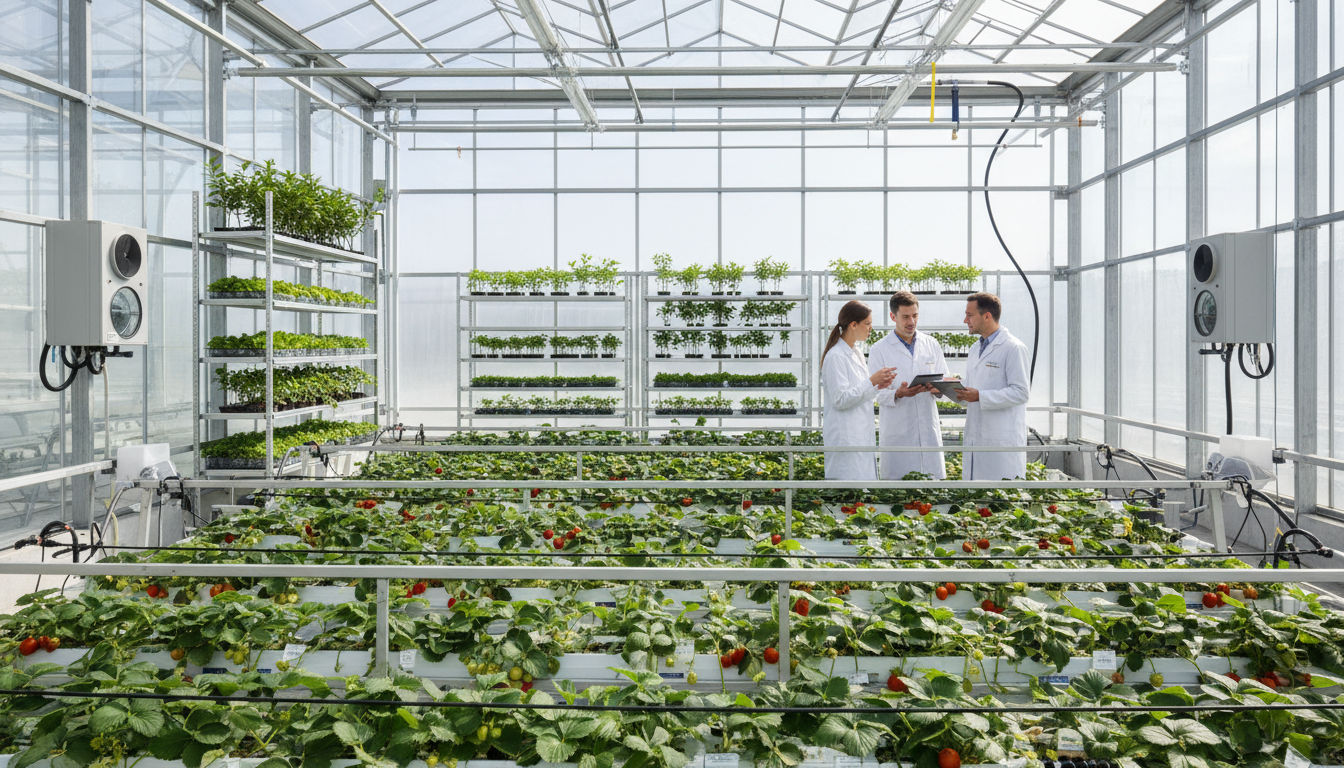
Myth 4: Greenhouse Farming Limits Crop Variety
There is a misconception that greenhouses are only suitable for certain crops. In truth, a wide variety of crops can thrive in a greenhouse environment, including tomatoes, peppers, cucumbers, and even certain fruits. The controlled environment allows farmers to experiment with different crops and extend their growing seasons.
This flexibility can lead to increased income diversity for farmers, as they are not limited to traditional crops alone.
- Tomatoes
- Peppers
- Cucumbers
- Fruits
Conclusion
Greenhouse farming holds significant potential for transforming agriculture in Ghana. By dispelling these myths, we can encourage more farmers to explore this method and contribute to a more sustainable and prosperous agricultural sector.
Educating and supporting local farmers in adopting greenhouse farming is crucial. With the right resources and knowledge, greenhouse farming can play a pivotal role in enhancing food security and economic development in Ghana.