
Expert Insights: The Future of Greenhouse Farming in Ghana


Introduction to Greenhouse Farming
Greenhouse farming is increasingly becoming a vital component of the agricultural landscape in Ghana. By providing a controlled environment, greenhouses enable farmers to grow crops throughout the year, regardless of seasonal changes. This innovation is crucial in addressing food security challenges and improving the livelihoods of local farmers.
The Current State of Greenhouse Farming in Ghana
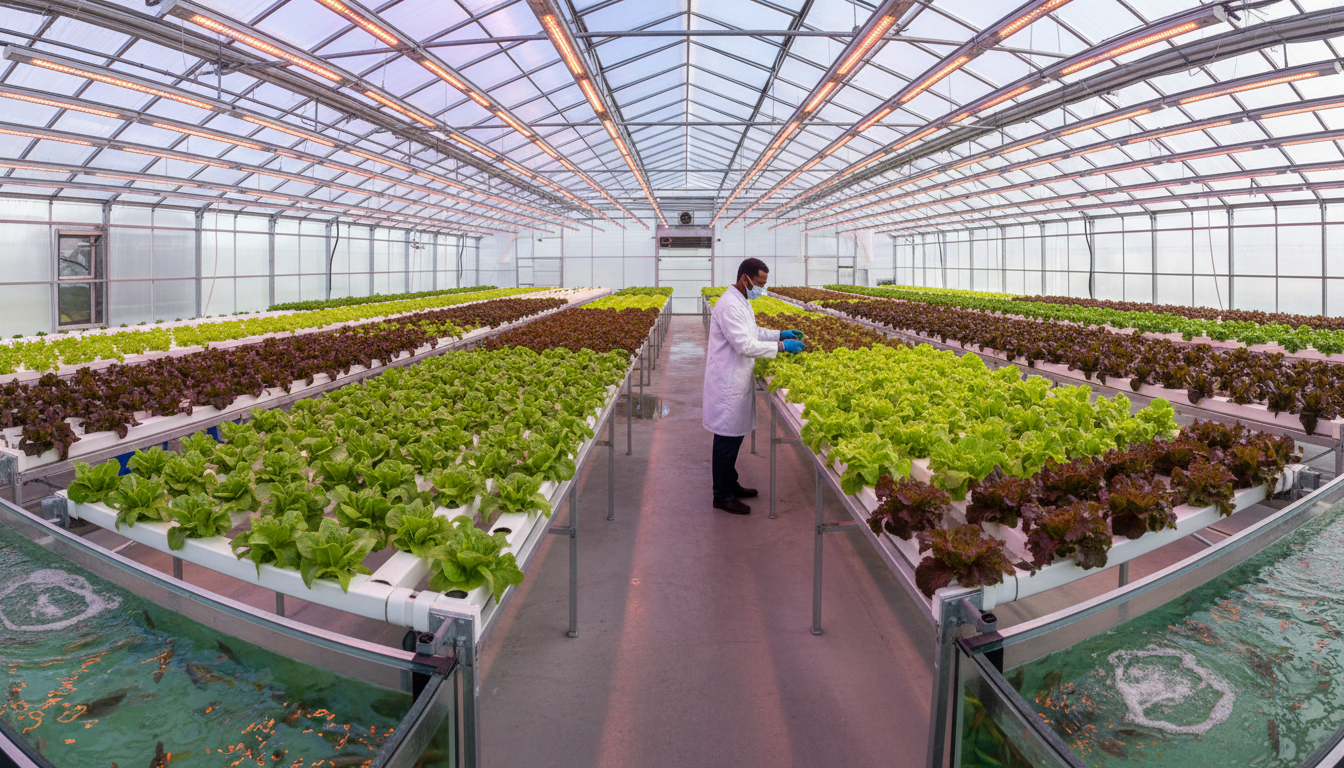
In recent years, the adoption of greenhouse farming techniques has seen significant growth in Ghana. With the support of government initiatives and private sector investments, many farmers are transitioning from traditional open-field farming to more sustainable and productive greenhouse systems. However, challenges such as high initial costs and limited technical expertise remain prevalent.
Despite these obstacles, the benefits of greenhouse farming, including increased yield and reduced pesticide use, are encouraging more farmers to embrace this technology. As knowledge and resources become more accessible, the future looks promising for greenhouse farming in Ghana.
Technological Innovations Shaping the Future
Advancements in technology are playing a pivotal role in transforming greenhouse farming. Innovations such as automated climate control systems, advanced irrigation techniques, and the integration of Internet of Things (IoT) devices are enhancing productivity and efficiency. These technologies allow farmers to monitor and adjust conditions in real-time, ensuring optimal growth conditions for crops.

Moreover, the use of renewable energy sources, like solar power, is making greenhouse farming more sustainable. By reducing reliance on traditional energy sources, farmers can lower operational costs and minimize their environmental impact.
Economic Impact and Opportunities
The expansion of greenhouse farming in Ghana presents numerous economic opportunities. By increasing the production of high-value crops, farmers can access new markets and increase their income. This growth also stimulates job creation, from farm labor to roles in technology development and maintenance.
Furthermore, greenhouse farming supports the local economy by reducing the need for imported produce, keeping more money within the country and fostering economic resilience.

Challenges and Solutions
While the potential for greenhouse farming is vast, several challenges must be addressed to ensure its success. High initial investment costs can deter small-scale farmers, while a lack of access to training and resources can impede effective implementation.
- Financial Support: Providing access to affordable credit and subsidies can help mitigate financial barriers.
- Education and Training: Establishing training programs for farmers to learn best practices can enhance productivity.
- Infrastructure Development: Improving transportation and market access can help farmers reach wider markets.
Conclusion: A Promising Future
The future of greenhouse farming in Ghana is bright, with the potential to revolutionize the agricultural sector. By leveraging technology, fostering innovation, and addressing current challenges, Ghana can lead the way in sustainable agriculture. As the country continues to invest in this promising field, greenhouse farming will play a crucial role in ensuring food security and economic growth for future generations.