
Greenhouse Farming in Ghana: Overcoming Common Challenges


Introduction to Greenhouse Farming in Ghana
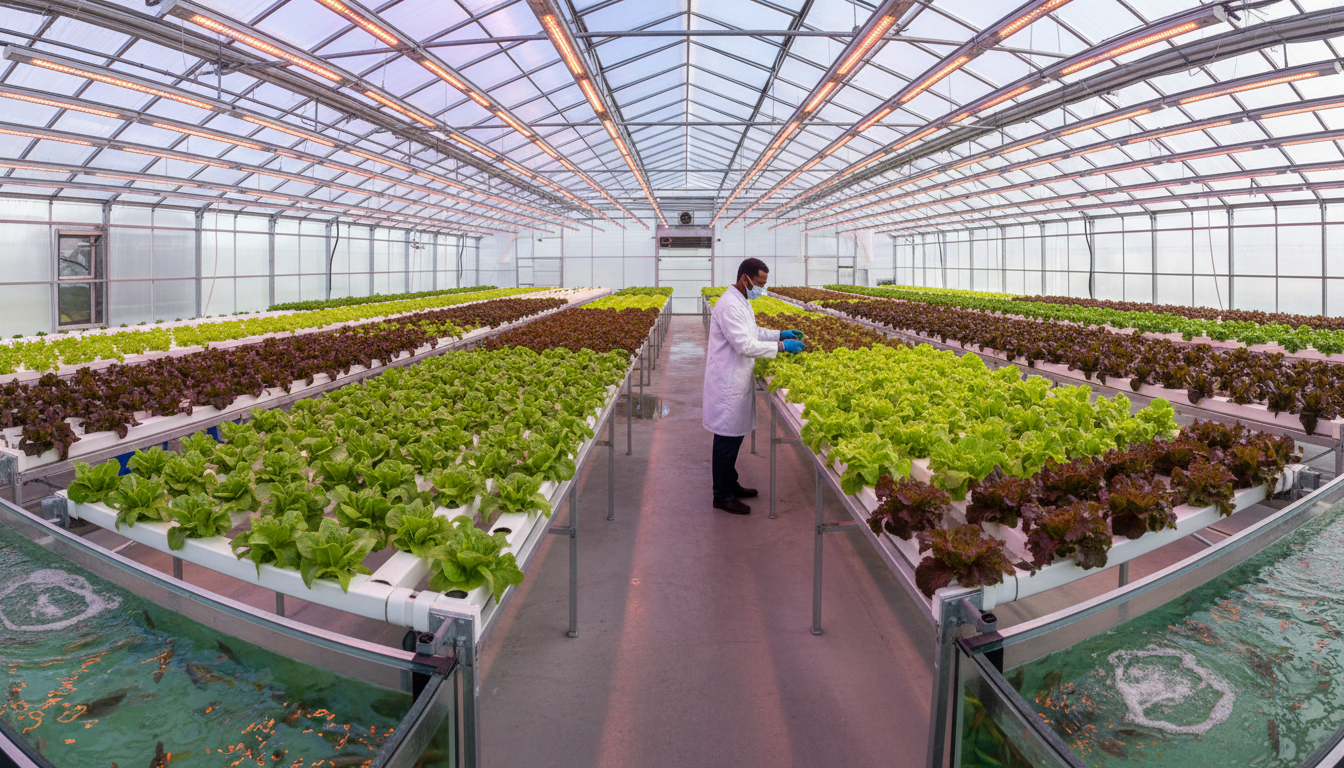
Greenhouse farming in Ghana is gaining traction as a sustainable agricultural practice. This innovative approach enables farmers to grow crops in a controlled environment, optimizing conditions for plant growth. Despite its advantages, greenhouse farming also presents certain challenges that need to be addressed for successful implementation.
Climate Control and Management
One of the primary benefits of greenhouse farming is the ability to control the climate. However, achieving the right temperature and humidity levels can be challenging. Farmers must invest in reliable climate control systems to ensure optimal conditions for crop growth. Regular maintenance and monitoring are crucial to prevent system failures that could jeopardize the crops.
Managing Pests and Diseases
While greenhouses offer protection from many outdoor pests, they can still be vulnerable to infestations and diseases. Implementing integrated pest management (IPM) strategies is vital. This includes using biological controls, maintaining cleanliness, and monitoring plants regularly to detect early signs of trouble.

Water Management
Effective water management is essential in greenhouse farming. Overwatering or underwatering can harm crops, so utilizing drip irrigation systems can provide plants with the precise amount of water they need. This not only conserves water but also promotes healthy plant growth.
Soil and Nutrient Management
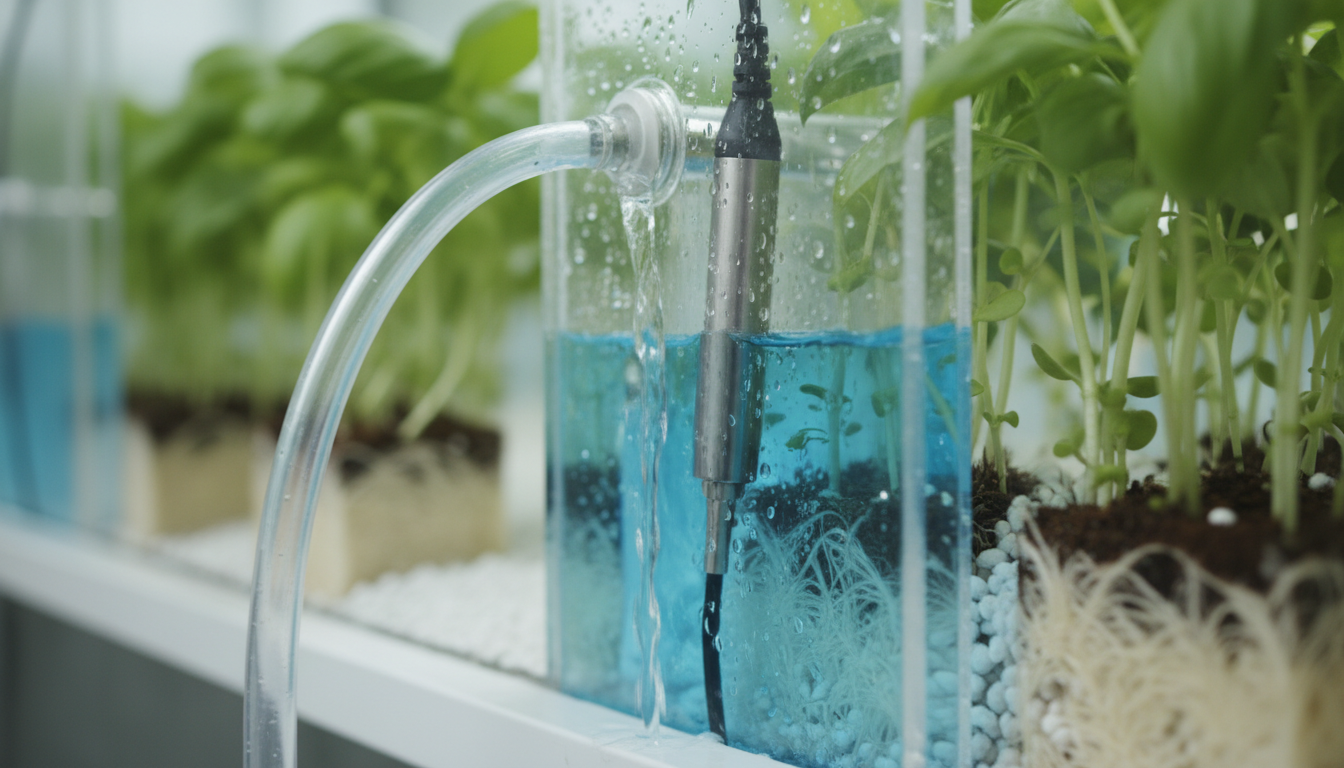
Greenhouse farming often involves the use of soilless media, which requires careful nutrient management. Farmers should regularly test media and adjust nutrient solutions to meet the specific needs of their crops. Using hydroponics or aquaponics systems can also enhance nutrient delivery.
Economic Challenges
The initial investment in greenhouse infrastructure can be substantial, which may deter some farmers. However, the long-term benefits, such as increased yield and quality, often outweigh the initial costs. Access to financial support and training programs can help farmers overcome these economic barriers.
Market Access and Competition
Once crops are harvested, finding markets for them can be another challenge. Farmers should explore local and international markets and consider value-added products to increase profitability. Collaborating with agricultural cooperatives can also enhance market access and bargaining power.

Conclusion
Greenhouse farming in Ghana holds great potential for transforming the agricultural landscape. By addressing common challenges such as climate control, pest management, and economic hurdles, farmers can take full advantage of the benefits this innovative farming method offers. With continued support and investment, greenhouse farming can contribute significantly to food security and economic growth in Ghana.