
Greenhouse Farming vs. Traditional Farming: Which is Right for You?


Understanding Greenhouse Farming
Greenhouse farming is an innovative approach that allows farmers to cultivate crops in a controlled environment. This method is gaining popularity due to its ability to optimize growing conditions, regardless of external weather patterns. By regulating temperature, humidity, and light, greenhouse farming can boost yields and crop quality.
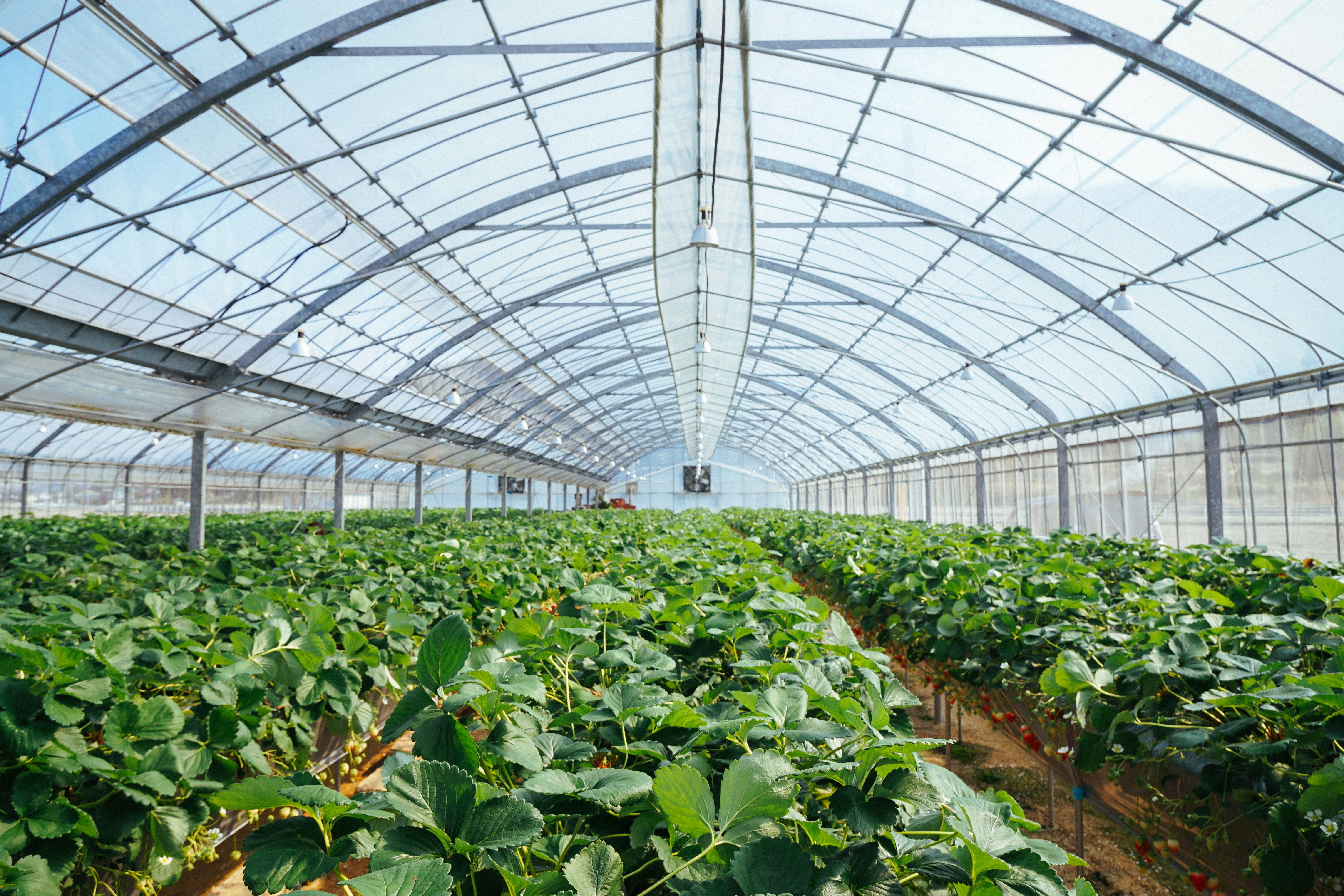
One of the main advantages of greenhouse farming is its ability to extend the growing season. This means you can produce crops even when the weather outside is not conducive to farming. Additionally, greenhouses can protect plants from pests and diseases, reducing the need for chemical pesticides.
Benefits of Greenhouse Farming
- Year-Round Production: Grow crops throughout the year.
- Controlled Environment: Manage temperature, light, and humidity.
- Pest and Disease Control: Minimize the need for pesticides.
Exploring Traditional Farming
Traditional farming, also known as open-field farming, relies on natural environmental conditions to grow crops. This method has been practiced for centuries and is deeply rooted in agricultural history. It involves planting crops directly in the soil and relying on seasonal weather patterns for growth.
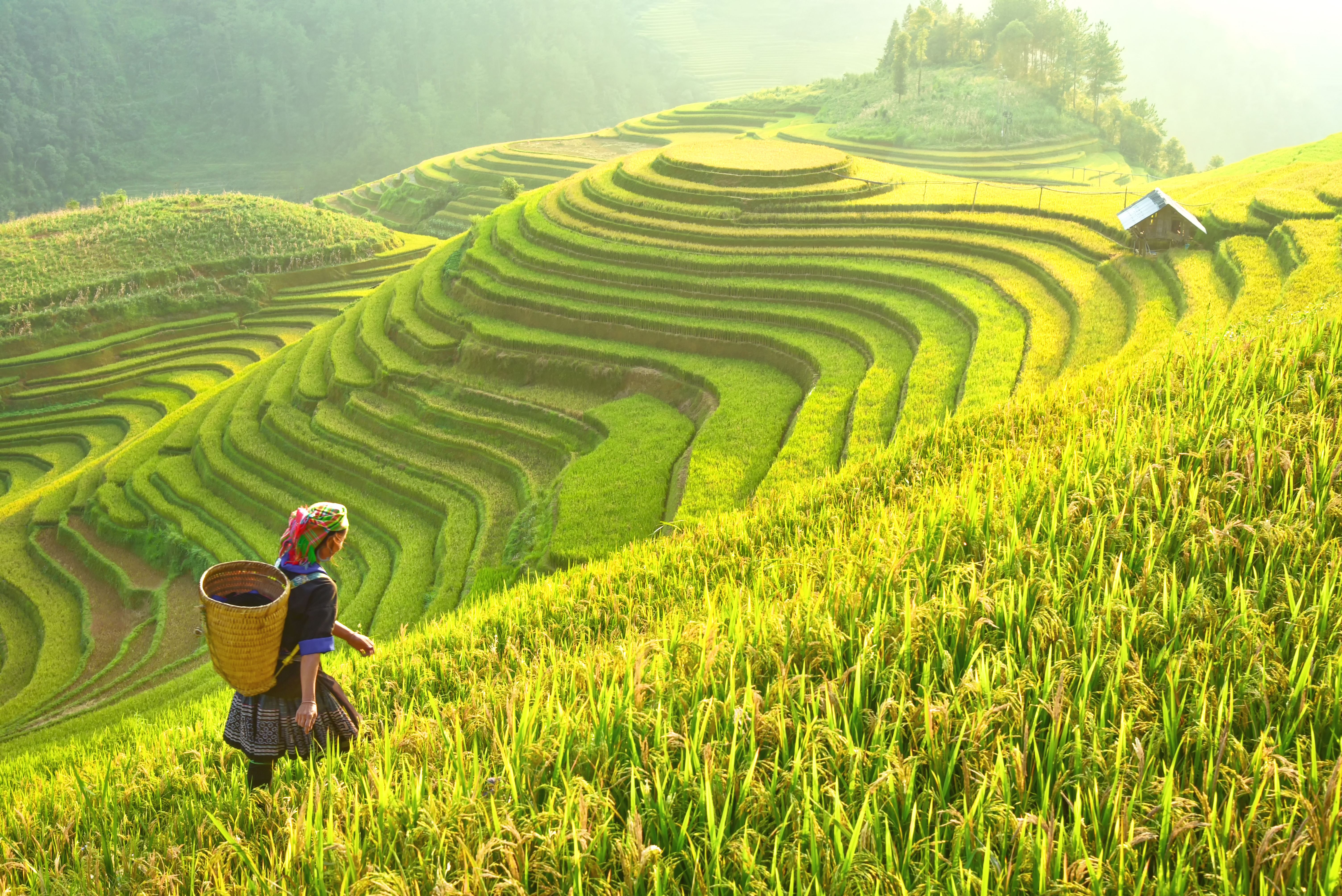
While traditional farming can be more unpredictable due to weather variations, it offers the advantage of using natural resources. Farmers can benefit from rainwater and sunlight without the need for artificial intervention. Moreover, traditional farming often requires lower initial investment compared to greenhouse farming.
Advantages of Traditional Farming
- Natural Resources: Utilizes rainwater and sunlight.
- Lower Initial Costs: Less investment in infrastructure.
- Historical Significance: Rich in cultural and historical value.
Comparing Greenhouse and Traditional Farming
When deciding between greenhouse and traditional farming, consider factors such as climate, budget, and desired crop type. Greenhouse farming is ideal for areas with harsh climates or for crops that require specific growing conditions. On the other hand, traditional farming may suit those with access to fertile land and favorable weather patterns.
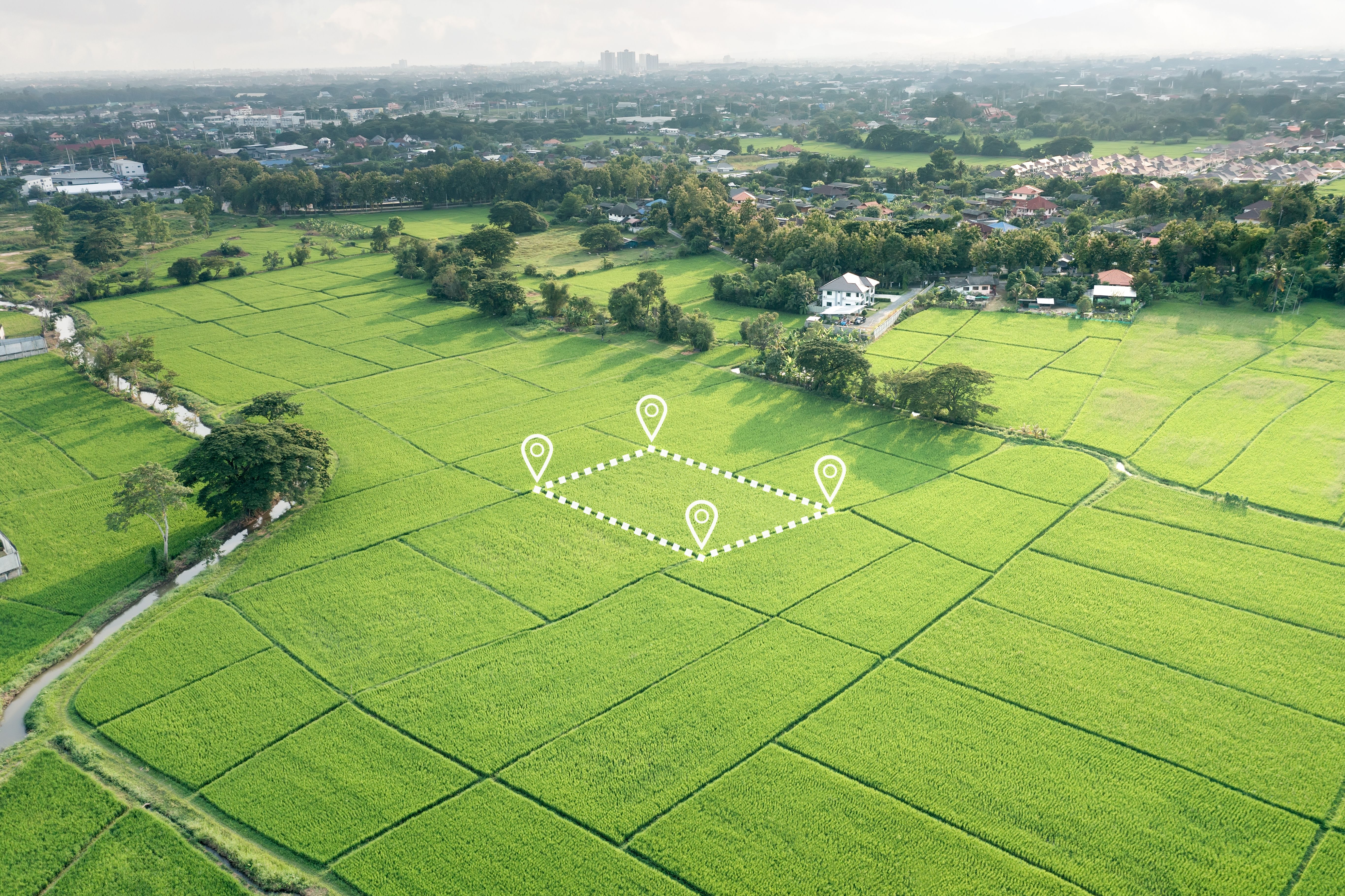
Greenhouse farming requires a higher initial investment but offers more control over the growing environment. In contrast, traditional farming may be more cost-effective but comes with greater reliance on weather conditions. Each method has its own merits and challenges, making it crucial to evaluate your specific needs and resources.
Choosing the Right Method for You
Ultimately, the decision between greenhouse and traditional farming depends on your goals, resources, and local conditions. Consider factors such as environmental impact, scalability, and personal preference. Both methods can be highly rewarding, offering unique opportunities to grow high-quality crops.
Whether you opt for the controlled environment of a greenhouse or the natural setting of traditional farming, the key is to align your choice with your agricultural objectives. By understanding the strengths and limitations of each method, you can make an informed decision that suits your farming aspirations.