
How to Choose the Right Agricultural Inputs for Your Farm


Understanding Your Farm's Needs
Choosing the right agricultural inputs is crucial for maximizing yield and maintaining the health of your farm. The first step is to understand the specific needs of your farm. Consider factors like soil type, climate, and crop rotation patterns. Conducting a soil test can provide valuable insights into nutrient deficiencies and pH levels.

Identifying the Right Seeds
The choice of seeds can significantly impact your farm's productivity. Look for seeds that are suited to your local climate and soil conditions. Consider factors such as disease resistance, yield potential, and growth duration. Hybrid seeds may offer higher yields, but it's essential to balance this with sustainability goals.
Fertilizers and Nutrient Management
Fertilizers play a vital role in supplying essential nutrients to crops. Based on your soil test results, choose fertilizers that address specific nutrient deficiencies. Organic fertilizers can improve soil health over time, while synthetic fertilizers may offer quick nutrient boosts. It's important to follow recommended application rates to prevent over-fertilization.
Choosing the Right Pesticides
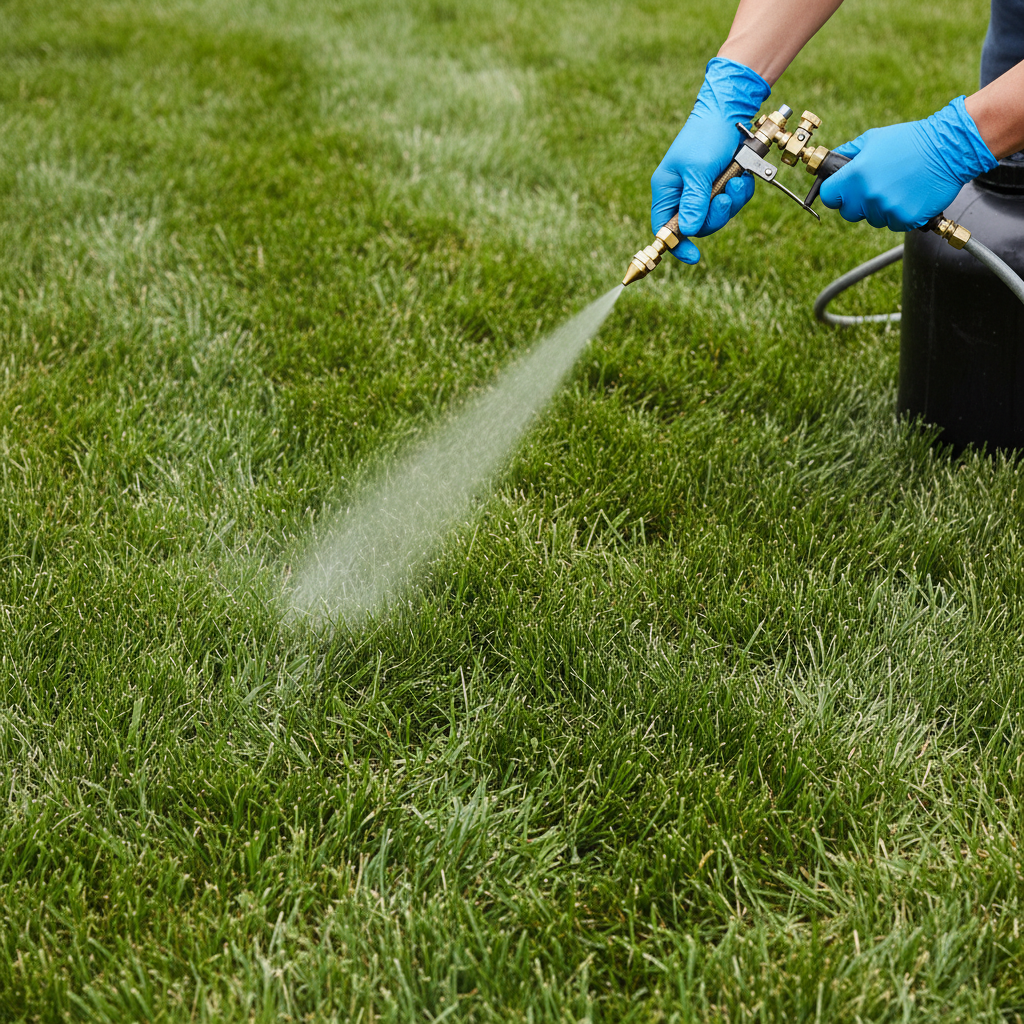
Pest management is crucial for protecting crops from damage. When selecting pesticides, consider the types of pests prevalent in your region. Opt for products that are effective yet environmentally friendly. Integrated Pest Management (IPM) strategies can help minimize the reliance on chemical pesticides by combining biological, cultural, and mechanical control methods.
Investing in Equipment
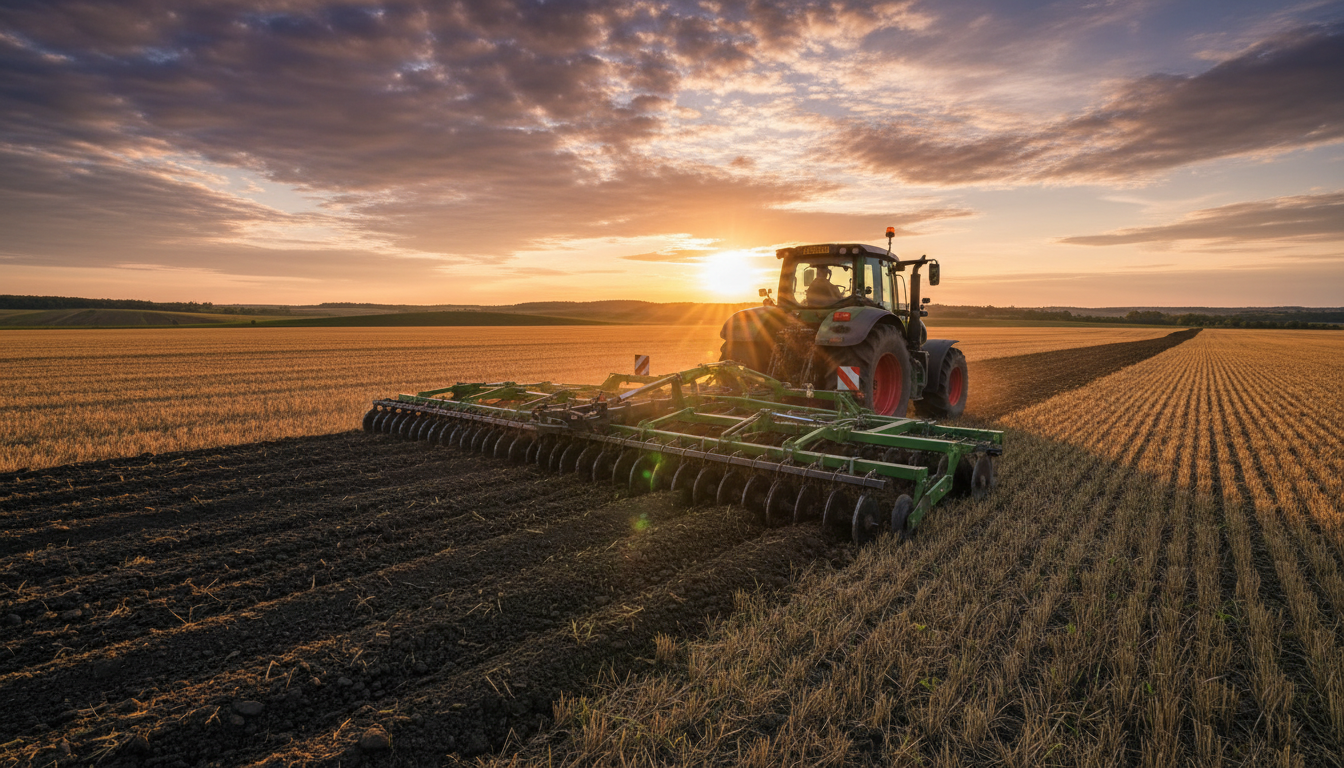
Modern farming often requires specialized equipment to increase efficiency. Whether it's tractors, irrigation systems, or harvesters, choose equipment that suits the scale of your operations. Consider factors like cost, maintenance, and technological advancements. Investing in precision agriculture tools can also enhance productivity and reduce waste.
Considering Environmental Impact
Sustainable farming practices are gaining importance as environmental concerns grow. When choosing agricultural inputs, consider their environmental impact. Opt for products and practices that reduce carbon footprints, conserve water, and enhance biodiversity. Sustainable choices not only benefit the environment but can also improve marketability and consumer trust.
Financial Considerations
Budgeting for agricultural inputs is a critical aspect of farm management. Compare prices from different suppliers and consider bulk purchasing to reduce costs. Look for government subsidies or financial assistance programs that may be available for sustainable practices. Balancing cost with quality is key to maintaining profitability.
Seeking Expert Advice
Consulting with agronomists or agricultural extension officers can provide tailored advice for your farm. These experts can help you interpret soil tests, recommend suitable crop varieties, and suggest integrated pest management strategies. Networking with local farmers and joining agricultural forums can also provide valuable insights and support.

By carefully selecting the right agricultural inputs, you can enhance your farm's productivity while promoting sustainable practices. The right choices will not only lead to healthier crops but also contribute to a more sustainable and profitable farming operation.