
How to Choose the Right Agricultural Inputs for Your Farm


Understanding Your Farm's Needs
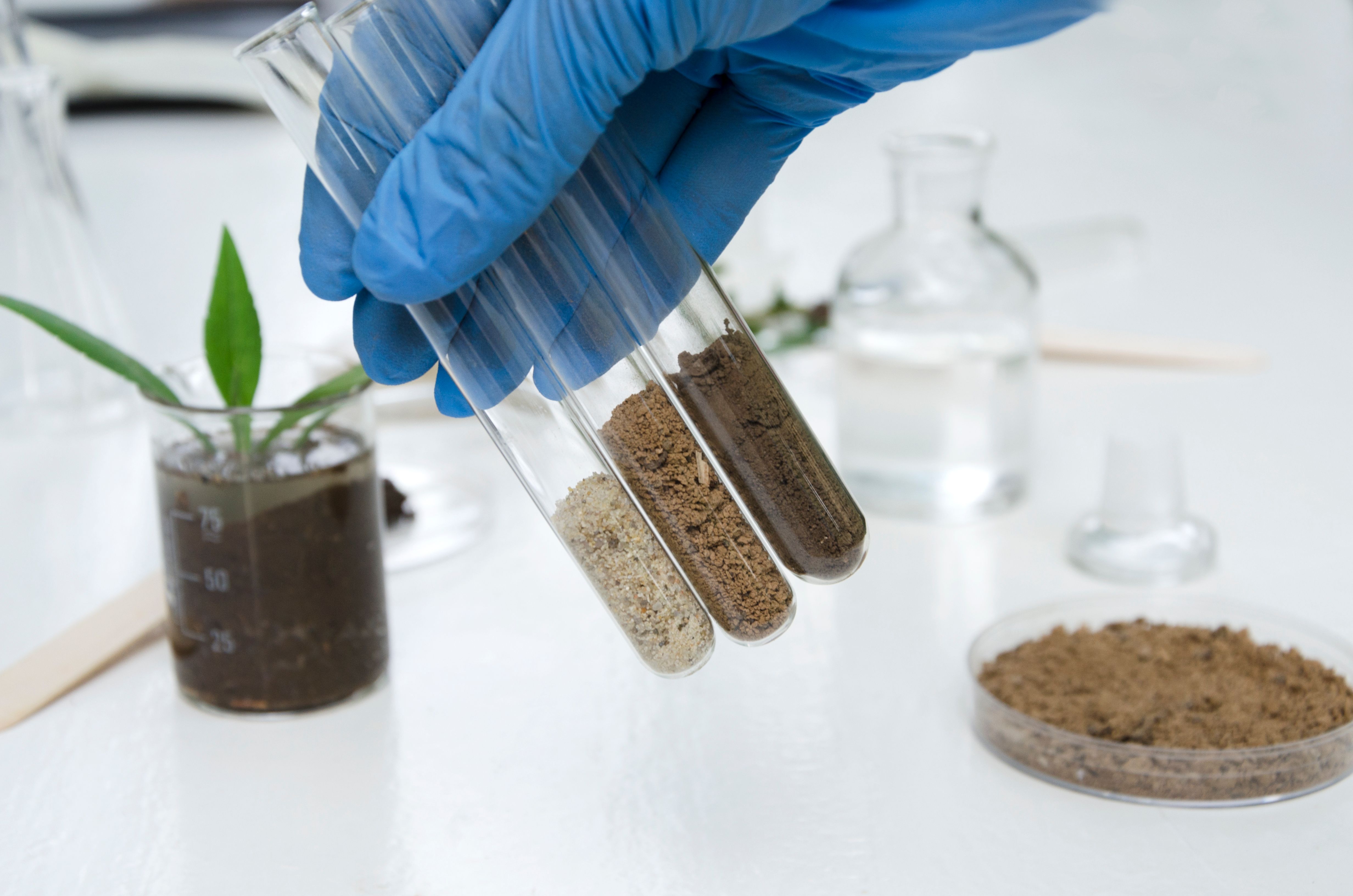
Choosing the right agricultural inputs is crucial for maximizing your farm's productivity. To begin, it's essential to understand the specific needs of your farm. Consider factors such as soil type, climate, and crop variety. Each of these elements can significantly influence the type of inputs that will be most effective. Conducting a soil test can provide valuable insights into nutrient deficiencies and help guide your decisions.
Identifying Quality Seeds
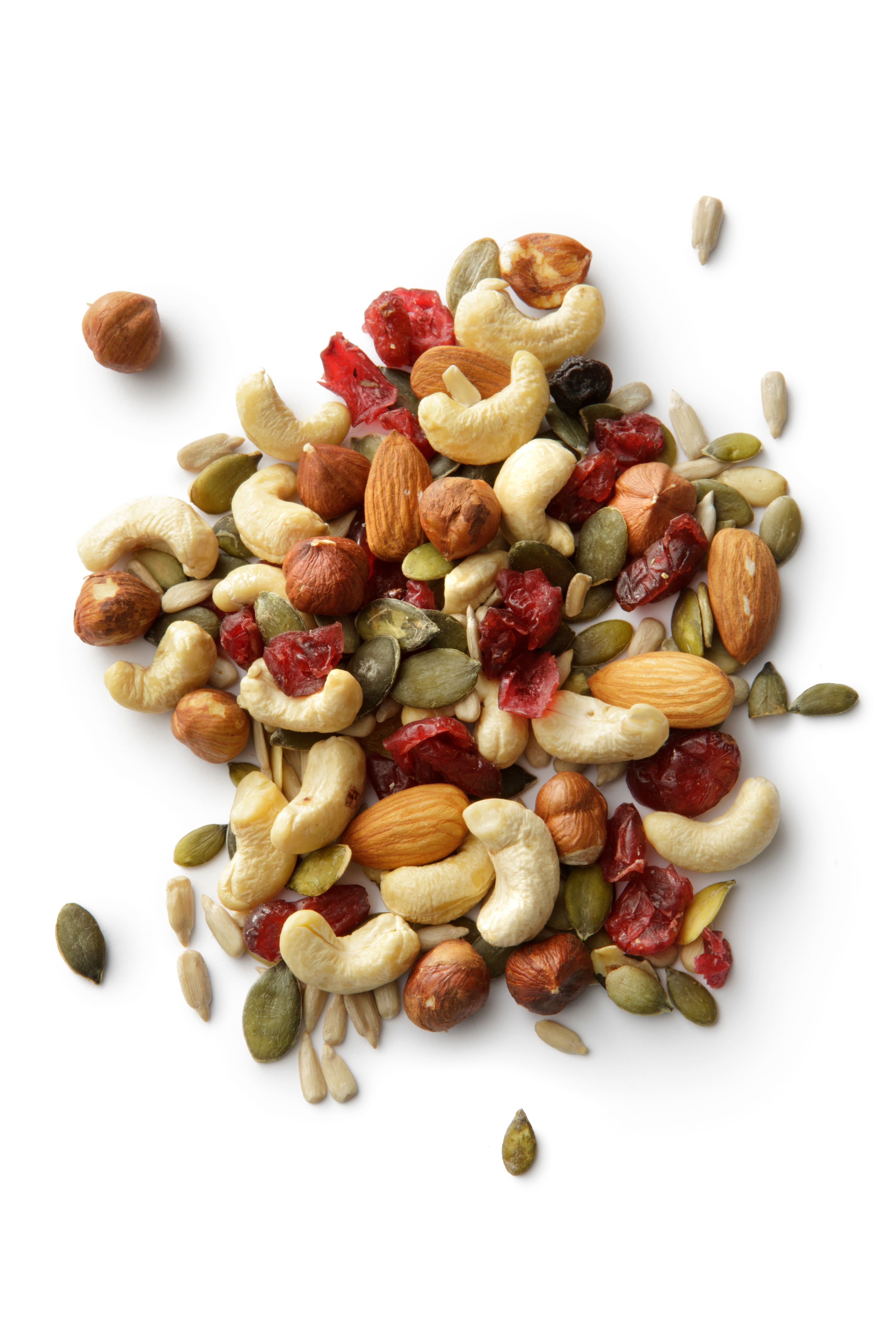
High-quality seeds are the foundation of a successful crop. When selecting seeds, look for those that are disease-resistant and suited to your climate. It's advisable to purchase seeds from reputable suppliers to ensure you're getting a reliable product. Additionally, consider the germination rate to maximize your yield potential.
Consider Seed Variety
Different seed varieties have unique attributes, such as drought resistance or early maturity. Selecting the right variety can help mitigate risks associated with climate variability and other environmental factors. Take the time to research and choose varieties that align with your production goals.
Fertilizers and Nutrient Management
Fertilizers play a crucial role in providing the essential nutrients that crops need to thrive. It's important to choose a fertilizer that addresses the specific nutrient deficiencies identified in your soil test. Organic fertilizers are becoming increasingly popular due to their environmental benefits, but synthetic options might offer more immediate results.
Application Techniques
The method of applying fertilizers can impact their effectiveness. Consider techniques such as broadcasting, side-dressing, or foliar feeding, depending on the crop type and growth stage. Proper application ensures that nutrients are efficiently absorbed by the plants.
Pest and Disease Control
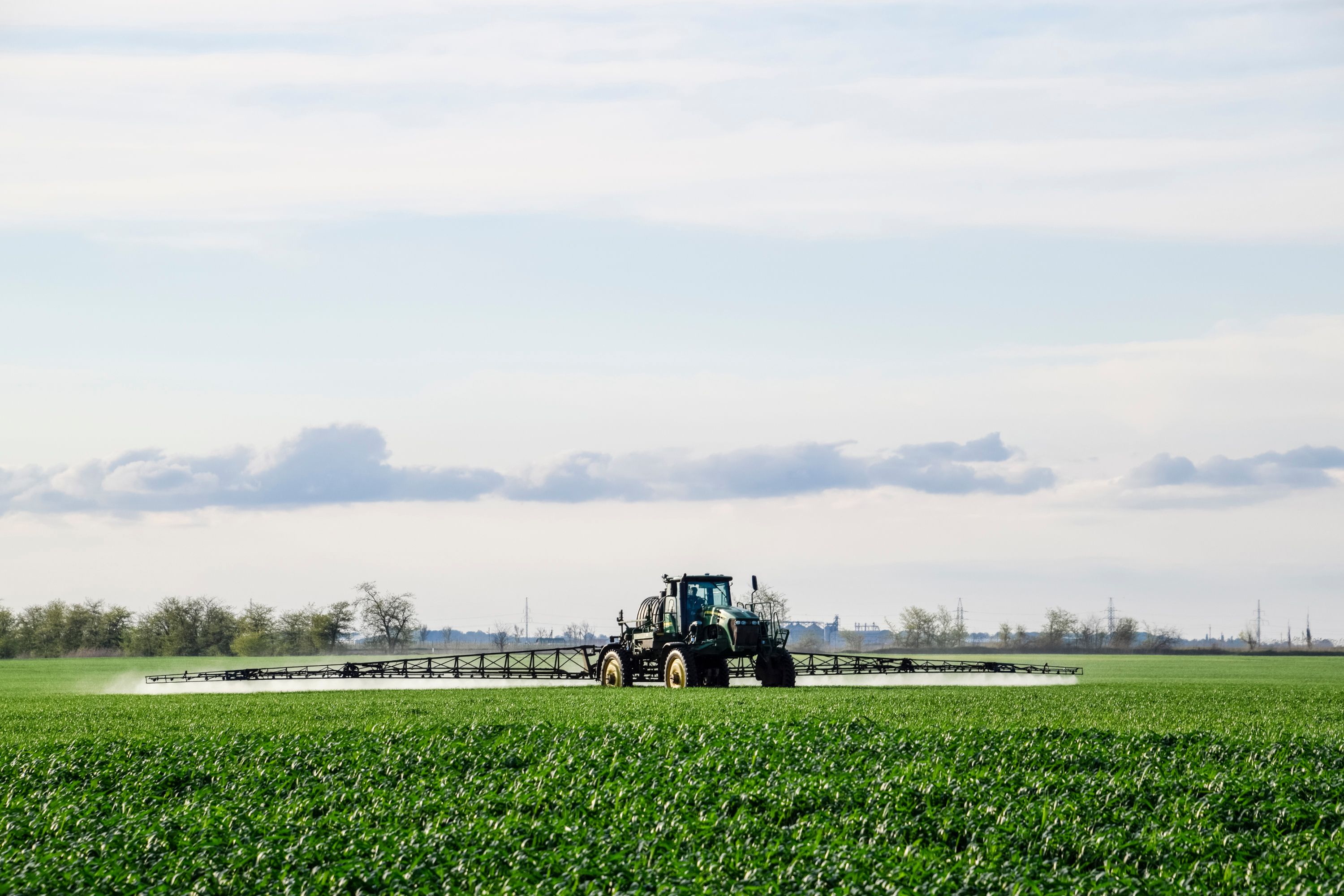
Protecting your crops from pests and diseases is vital for maintaining healthy yields. Integrated Pest Management (IPM) strategies can help minimize chemical use while effectively managing pest populations. Consider using biological controls, such as beneficial insects, as part of your approach.
Choosing Pesticides
If chemical pesticides are necessary, ensure they are targeted and appropriate for the specific pests affecting your crops. Always follow label instructions and consider the environmental impact of the products you choose.

Conclusion
In summary, selecting the right agricultural inputs involves a comprehensive understanding of your farm's unique conditions and needs. By carefully considering seed quality, nutrient management, and pest control strategies, you can optimize your farm's productivity and sustainability. Stay informed and seek expert advice to make decisions that will benefit your farm in the long run.