
How to Choose the Right Agricultural Inputs in Ghana: A Comprehensive Guide


Understanding Agricultural Inputs
For farmers in Ghana, selecting the right agricultural inputs is crucial for enhancing productivity and ensuring sustainable farming practices. Agricultural inputs include seeds, fertilizers, pesticides, and machinery, each playing a vital role in crop production. Choosing the right inputs not only boosts yields but also minimizes costs and environmental impact.
Assessing Your Soil and Climate
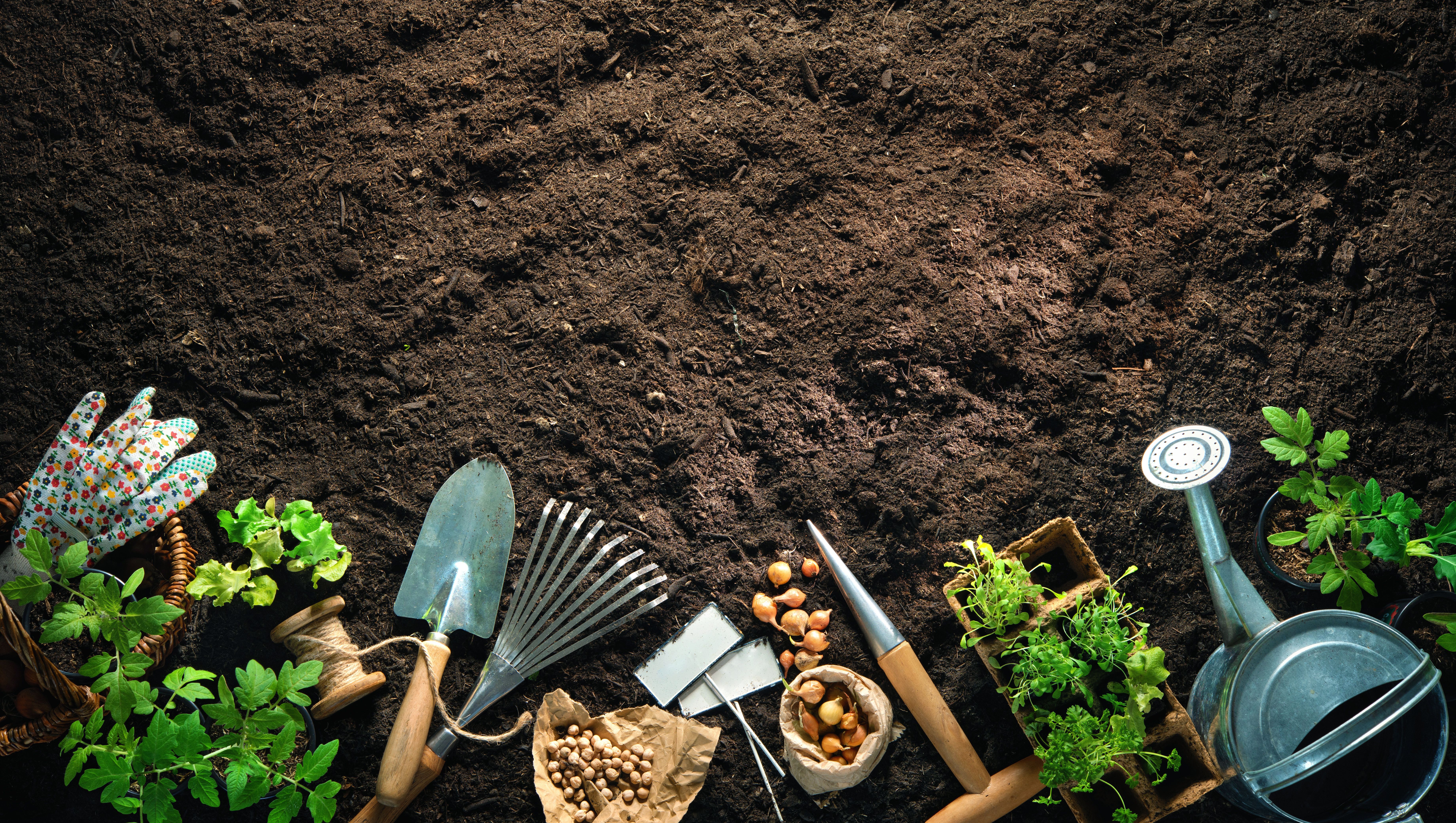
Before selecting agricultural inputs, it is essential to understand the specific needs of your farm. Conducting a soil test can provide valuable insights into nutrient levels and pH balance, helping you choose the appropriate fertilizers. Additionally, considering the local climate will guide you in selecting seed varieties that are suited for your region's conditions, ensuring optimal growth and resistance to pests and diseases.
Selecting High-Quality Seeds
The choice of seeds can significantly impact crop yield and quality. Opt for certified seeds from reputable suppliers to guarantee quality and disease resistance. Consider factors such as germination rate, maturity period, and yield potential when selecting seeds. Hybrid seeds might offer higher yields, but traditional varieties may be more resilient to local conditions.
Choosing the Right Fertilizers
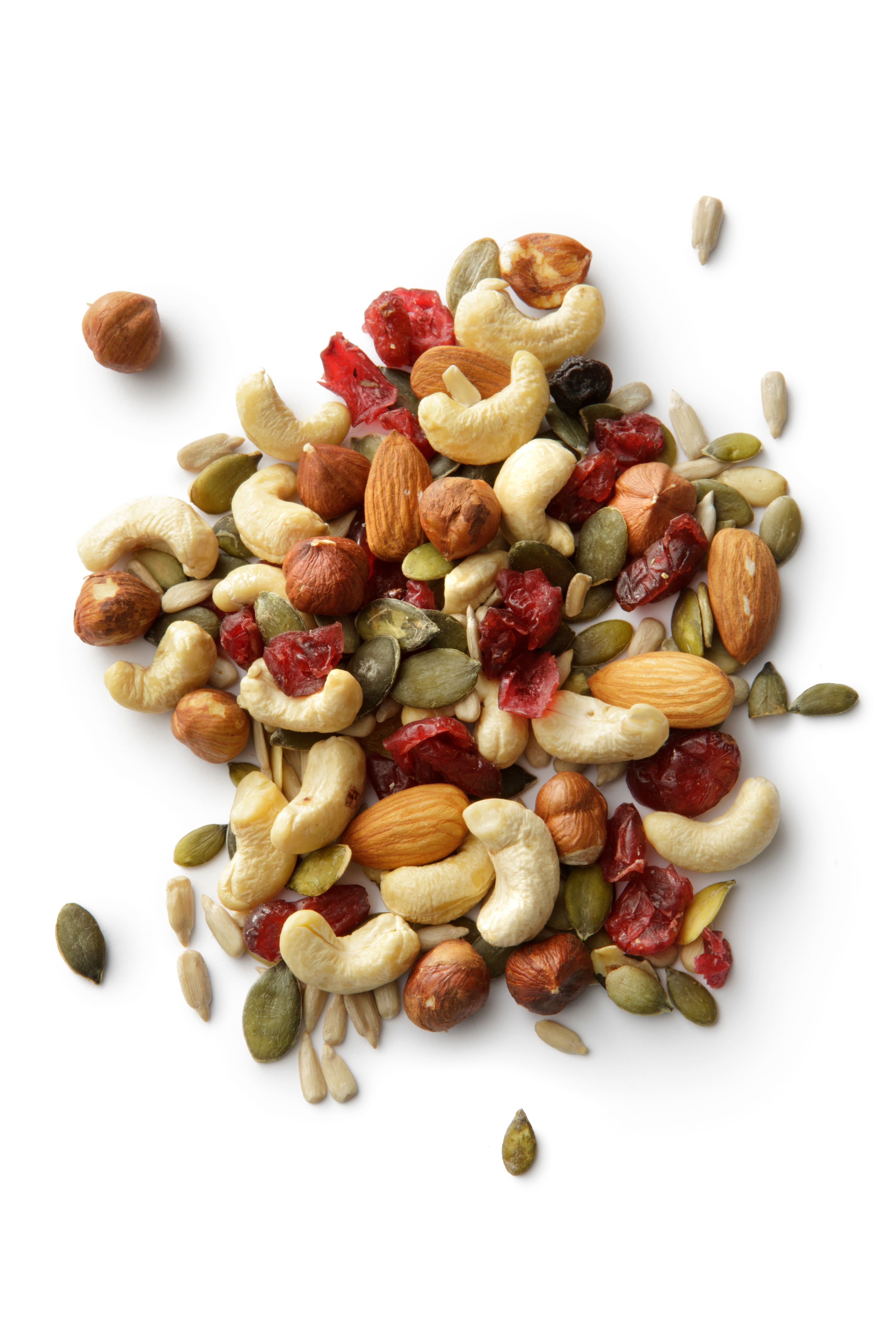
Fertilizers are essential for replenishing soil nutrients and enhancing crop growth. When selecting fertilizers, consider the specific nutrient requirements of your crops. Organic fertilizers, such as compost and manure, improve soil health and sustainability, while inorganic fertilizers can provide targeted nutrient boosts. Balancing the use of both types can lead to optimal results.
Understanding Pesticides and Herbicides
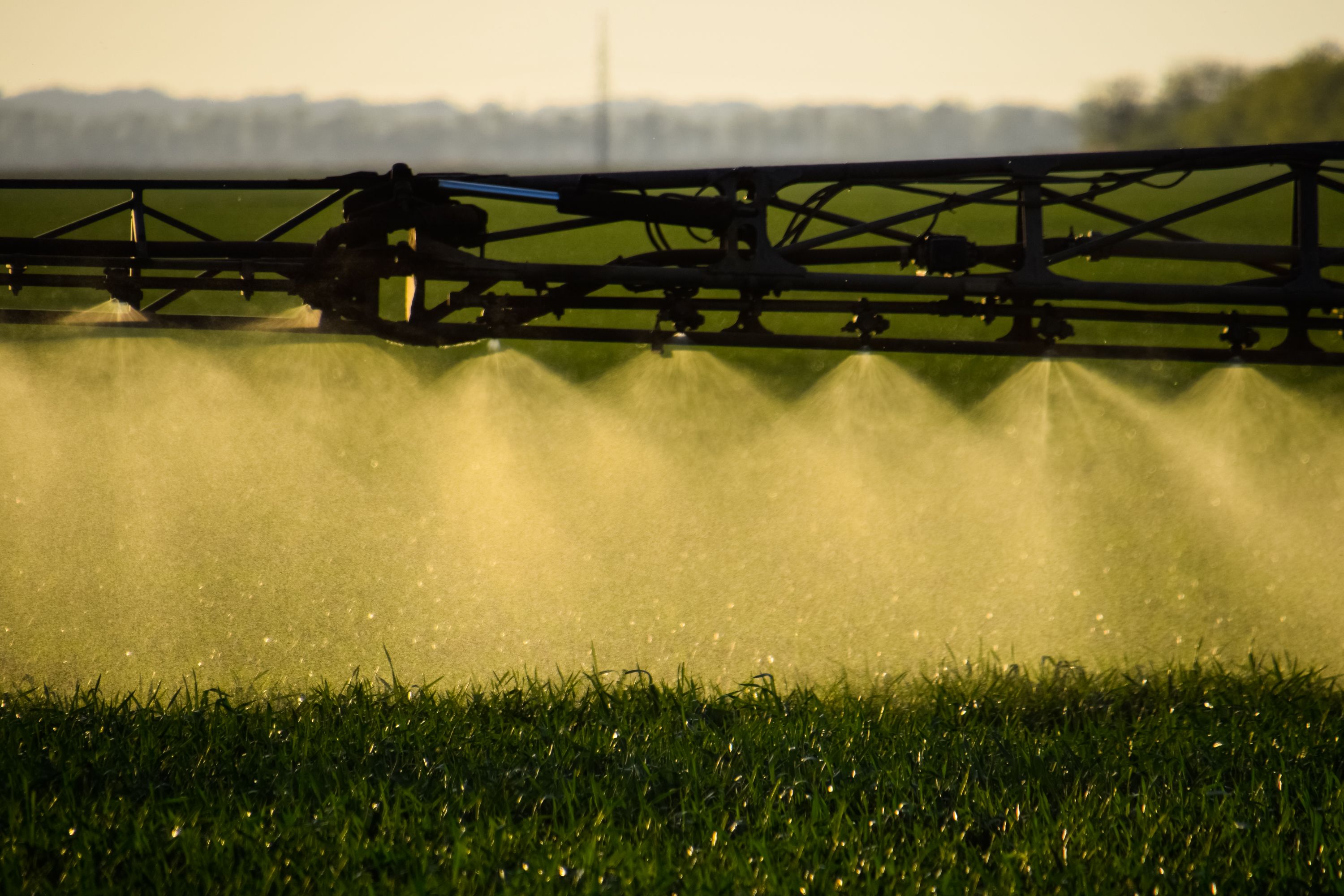
Pesticides and herbicides help protect crops from pests and weeds, ensuring healthy plant growth. Choose products that are effective for the specific pests or weeds prevalent in your area. It's important to follow recommended application rates and safety guidelines to minimize environmental impact and ensure consumer safety.
Evaluating Agricultural Machinery
Investing in the right machinery can enhance efficiency and reduce labor costs. Consider the size of your farm and the specific tasks you need to perform, such as planting, harvesting, or irrigation. Machinery should be suited to your farm's scale and compatible with the crops you grow. Regular maintenance is also crucial to ensure longevity and performance.
Budgeting and Financial Planning
Budgeting is an essential aspect of choosing agricultural inputs. Carefully evaluate the costs of seeds, fertilizers, pesticides, and machinery against the potential returns. Explore financial assistance options such as government subsidies or agricultural loans to support your investment in quality inputs.

Consulting with Experts
Seeking advice from agricultural experts, local extension officers, or experienced farmers can provide valuable insights into selecting the right inputs. These professionals can offer guidance based on current research and practical experience, helping you make informed decisions that align with your farm's unique needs.
Conclusion
Choosing the right agricultural inputs in Ghana requires careful consideration of various factors, including soil health, climate, crop requirements, and budget. By making informed decisions and consulting with experts, farmers can enhance productivity, ensure sustainability, and contribute to the overall growth of the agricultural sector in Ghana.