
How to Optimize Crop Yield with Agronomic Support


Understanding Agronomic Support
Optimizing crop yield is crucial for maximizing farm productivity and ensuring food security. One effective approach is leveraging agronomic support, which involves the application of scientific principles and techniques to enhance agricultural productivity. Agronomic support encompasses a range of practices, from soil management to pest control, all aimed at improving crop growth and yield.

The role of agronomists is to provide tailored advice and strategies to farmers, helping them make informed decisions. By analyzing various factors such as soil health, weather patterns, and crop needs, agronomists can recommend specific interventions that lead to better crop outcomes.
Soil Health Management
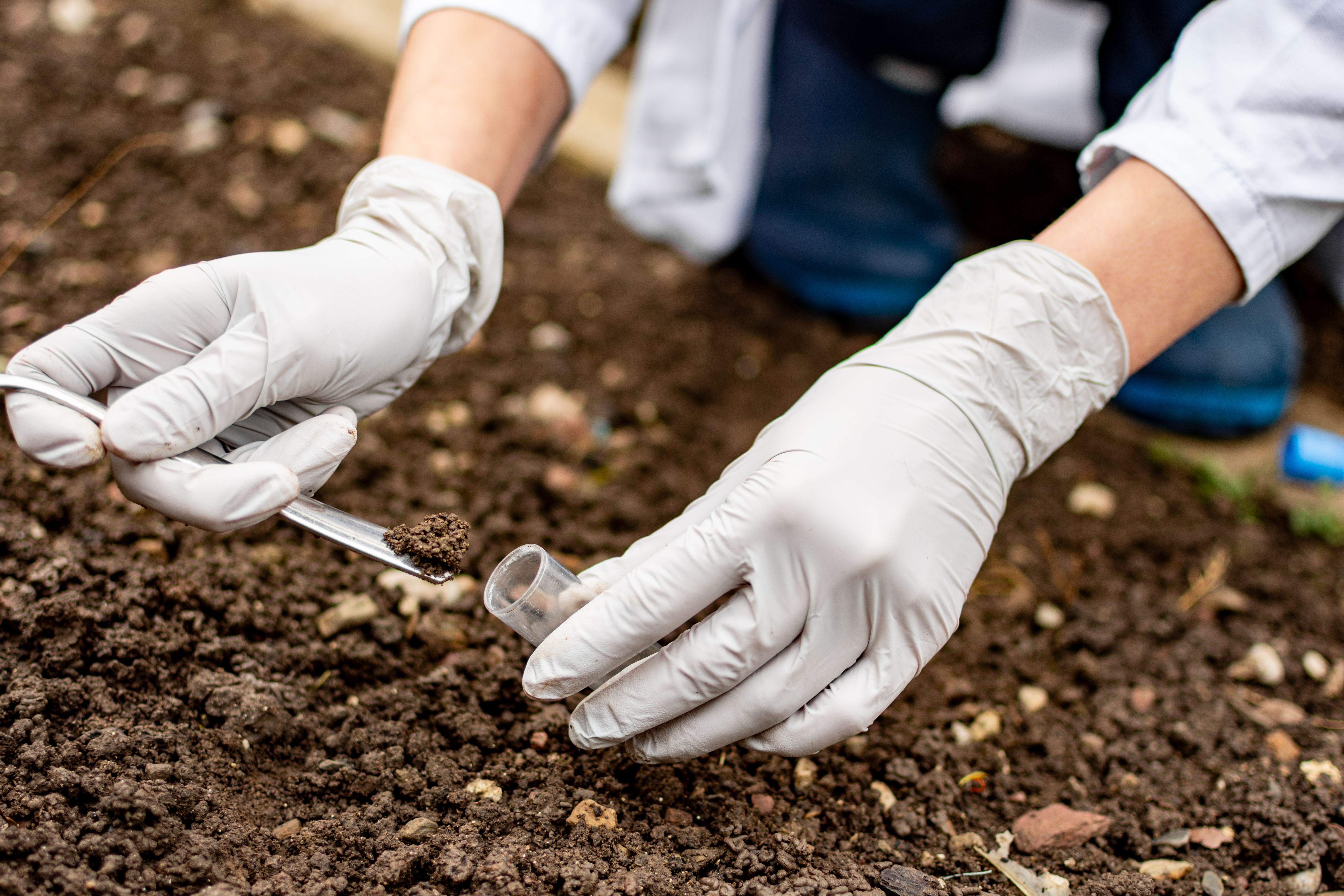
Healthy soil is the foundation of successful crop production. Agronomic support focuses heavily on soil health management, which includes regular soil testing and analysis. These tests help determine soil nutrient levels, pH balance, and organic matter content.
Based on soil test results, agronomists can suggest enhancements like organic fertilizers, crop rotation, and cover cropping to improve soil fertility. These practices not only boost crop yield but also contribute to sustainable farming by reducing the need for chemical inputs.
Precision Agriculture
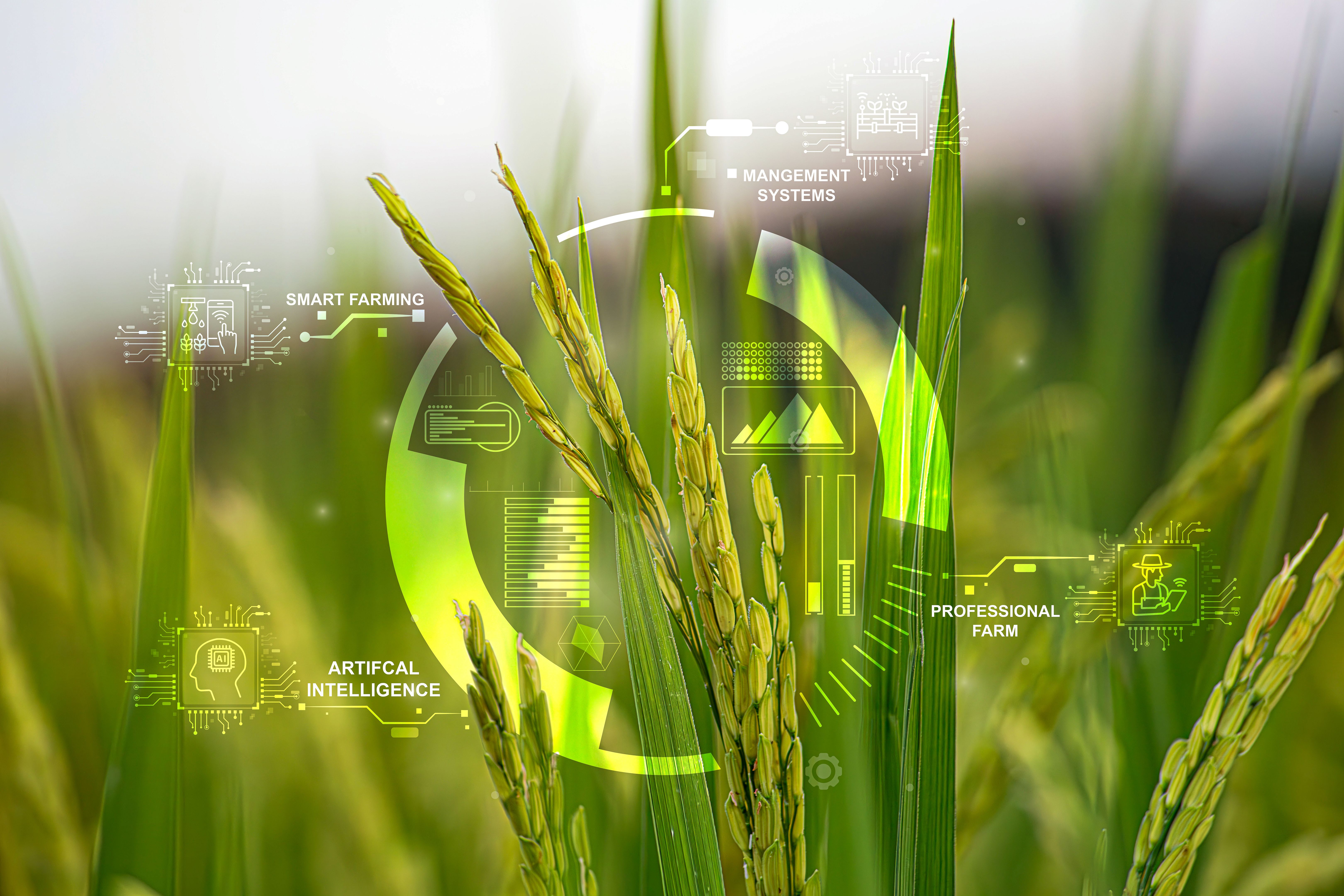
Precision agriculture is an innovative approach that uses technology to optimize crop yield. Agronomic support can guide farmers in implementing precision techniques such as GPS mapping, drone surveillance, and IoT sensors.
- GPS Mapping: Allows for precise planting and efficient resource allocation.
- Drone Surveillance: Provides real-time data on crop health and pest infestations.
- IoT Sensors: Monitor soil moisture levels and weather conditions.
These technologies help farmers make data-driven decisions, leading to increased efficiency and higher crop yields.
Pest and Disease Management
Pests and diseases are significant threats to crop yield. Agronomic support offers integrated pest management (IPM) strategies that minimize the impact of these threats. IPM combines biological, cultural, and chemical controls to manage pest populations effectively.
Agronomists can recommend specific practices such as crop rotation, resistant crop varieties, and targeted pesticide applications to reduce pest and disease pressure. Implementing these strategies helps maintain healthy crops and maximize yield potential.
Conclusion
Optimizing crop yield through agronomic support is a multifaceted approach that involves understanding and managing various agricultural factors. By focusing on soil health, utilizing precision agriculture, and implementing effective pest management, farmers can achieve higher productivity and sustainability.
Engaging with agronomic experts provides farmers with the knowledge and tools necessary to adapt to changing conditions and continuously improve their farming practices. Ultimately, this leads to more resilient agricultural systems and a more secure food supply.