
How to Optimize Greenhouse Agriculture in Ghana's Climate


Understanding Ghana's Climate
Ghana experiences a tropical climate with distinct wet and dry seasons. This weather pattern poses unique challenges and opportunities for greenhouse agriculture. During the rainy season, high humidity can lead to increased pest and disease pressure, while the dry season may require efficient water management.

Choosing the Right Greenhouse Structure
Selecting the appropriate greenhouse design is crucial. Structures that allow for adequate ventilation and cooling are essential in the humid climate. Consider using polycarbonate or shade netting materials to help regulate temperature and light exposure. It's vital to ensure that the greenhouse structure can withstand heavy rains and winds.
Efficient Water Management
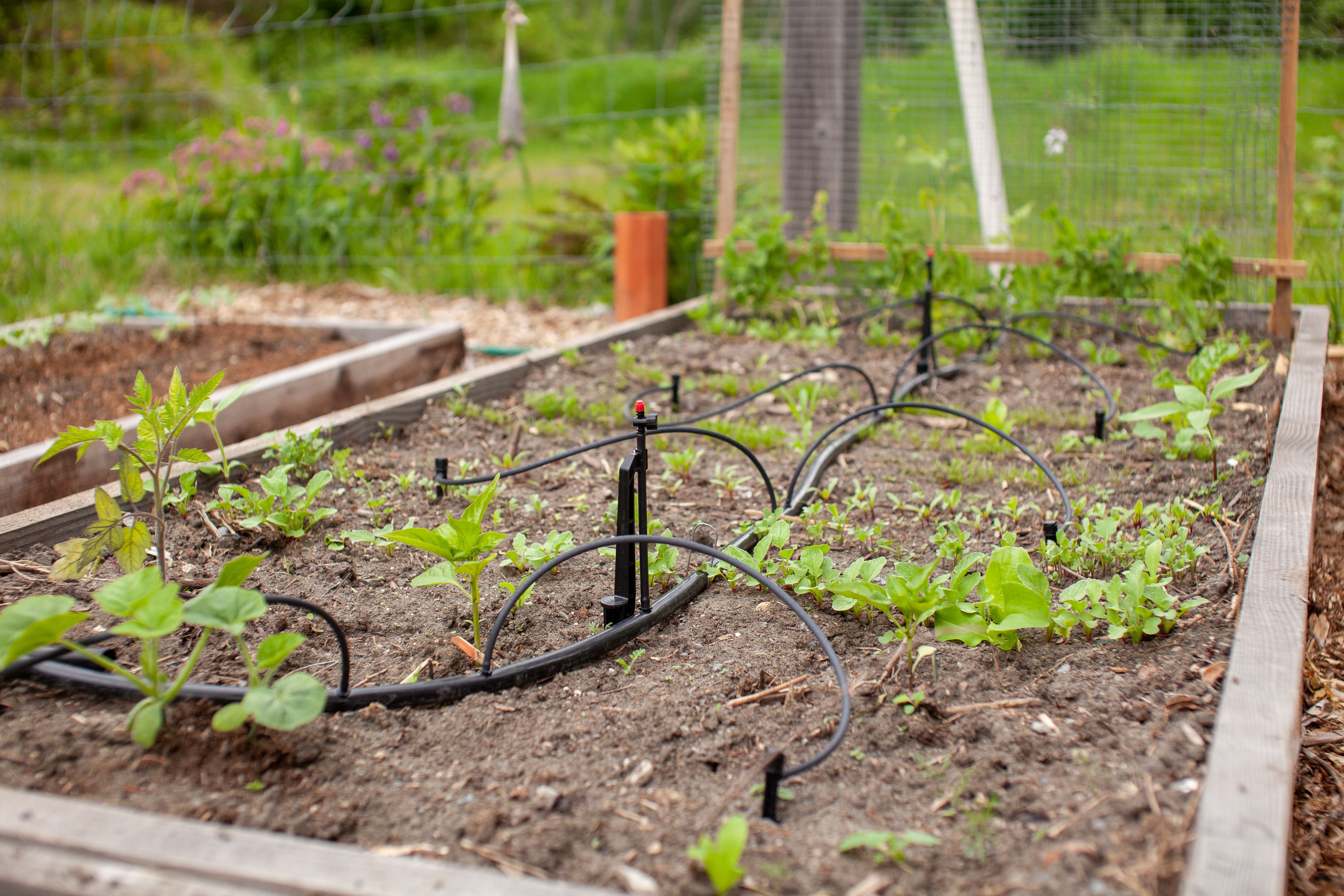
Water management is a critical factor in optimizing greenhouse agriculture in Ghana. Implementing drip irrigation systems can minimize water wastage and ensure consistent moisture levels. Additionally, rainwater harvesting systems can be a sustainable way to supplement water needs.
Soil and Nutrient Management
Maintaining soil health is essential for plant growth. Regular soil testing can help determine nutrient deficiencies. Based on the results, consider using organic fertilizers and compost to enhance soil fertility. Crop rotation and cover cropping can also improve soil structure and reduce pest issues.
Pest and Disease Control
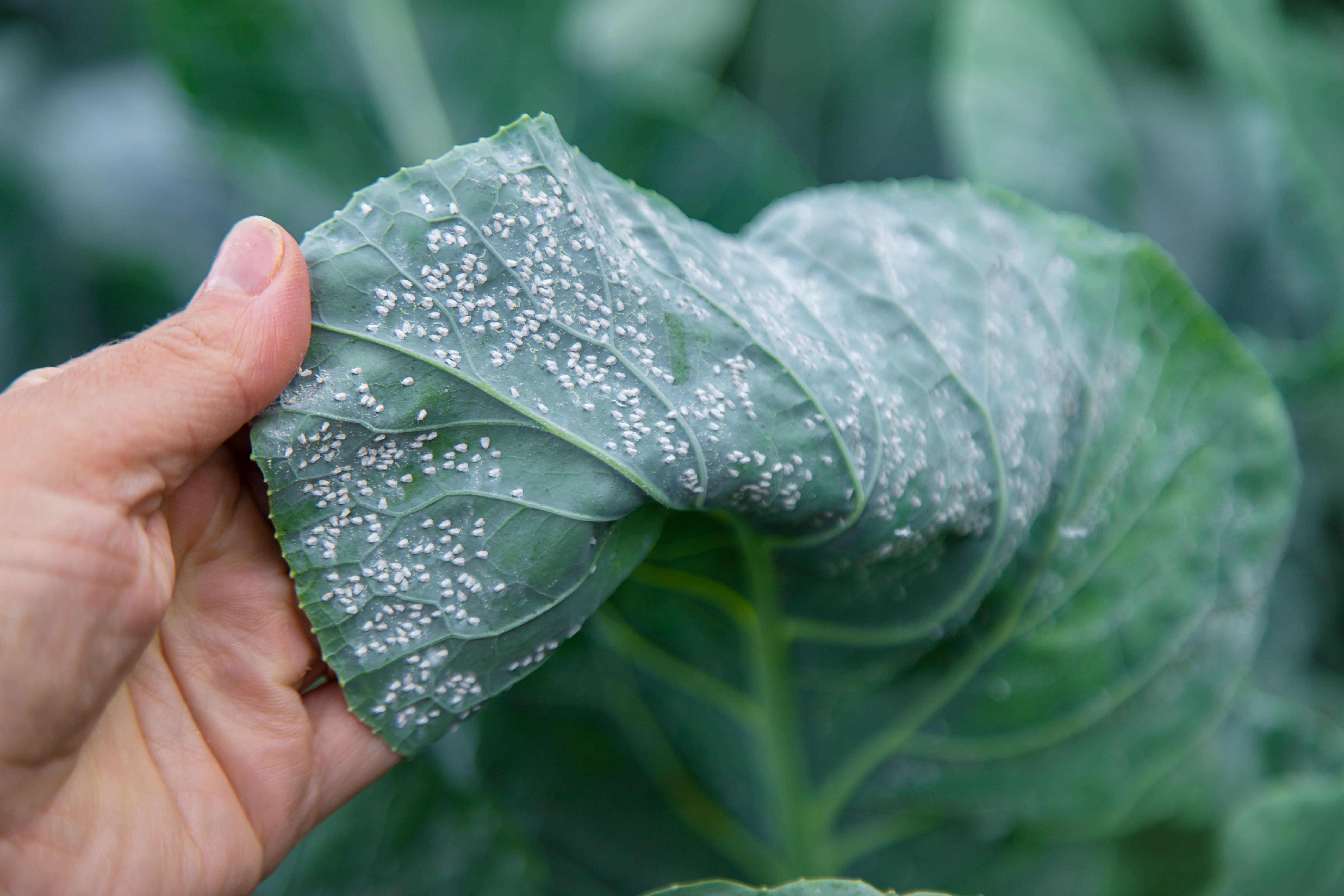
Integrated Pest Management (IPM) is effective in controlling pests and diseases in greenhouses. Utilizing biological controls, such as beneficial insects, can reduce reliance on chemical pesticides. Regular monitoring and early intervention are key strategies in managing pest populations.
Crop Selection and Rotation
Choosing the right crops for greenhouse cultivation can improve yields. Tomatoes, peppers, and cucumbers are popular choices in Ghana due to their adaptability and market demand. Rotating crops can help prevent soil depletion and reduce the risk of disease outbreaks.
Energy Efficiency
Energy costs can be a significant expense in greenhouse operations. Implementing solar panels can provide a sustainable energy source. Additionally, using energy-efficient lighting and climate control systems can reduce electricity consumption.

Training and Capacity Building
Investing in training for greenhouse operators and workers is essential for optimizing productivity. Workshops and training programs can enhance skills in areas such as plant care, pest management, and equipment maintenance. Strong knowledge and skills can lead to more efficient and profitable operations.
Market Access and Sustainability
Finally, ensuring access to local and international markets is crucial for the success of greenhouse agriculture. Building relationships with buyers and understanding market trends can help farmers make informed decisions. Sustainable practices not only benefit the environment but also enhance product appeal to eco-conscious consumers.