
Innovative Trends in Greenhouse Farming: What You Need to Know


Introduction to Greenhouse Farming
Greenhouse farming has revolutionized the way we grow crops by providing a controlled environment that enhances plant growth. This method has seen significant advancements, making it a key player in sustainable agriculture. As technology continues to evolve, innovative trends are shaping the future of greenhouse farming.
Sustainable Practices and Technologies
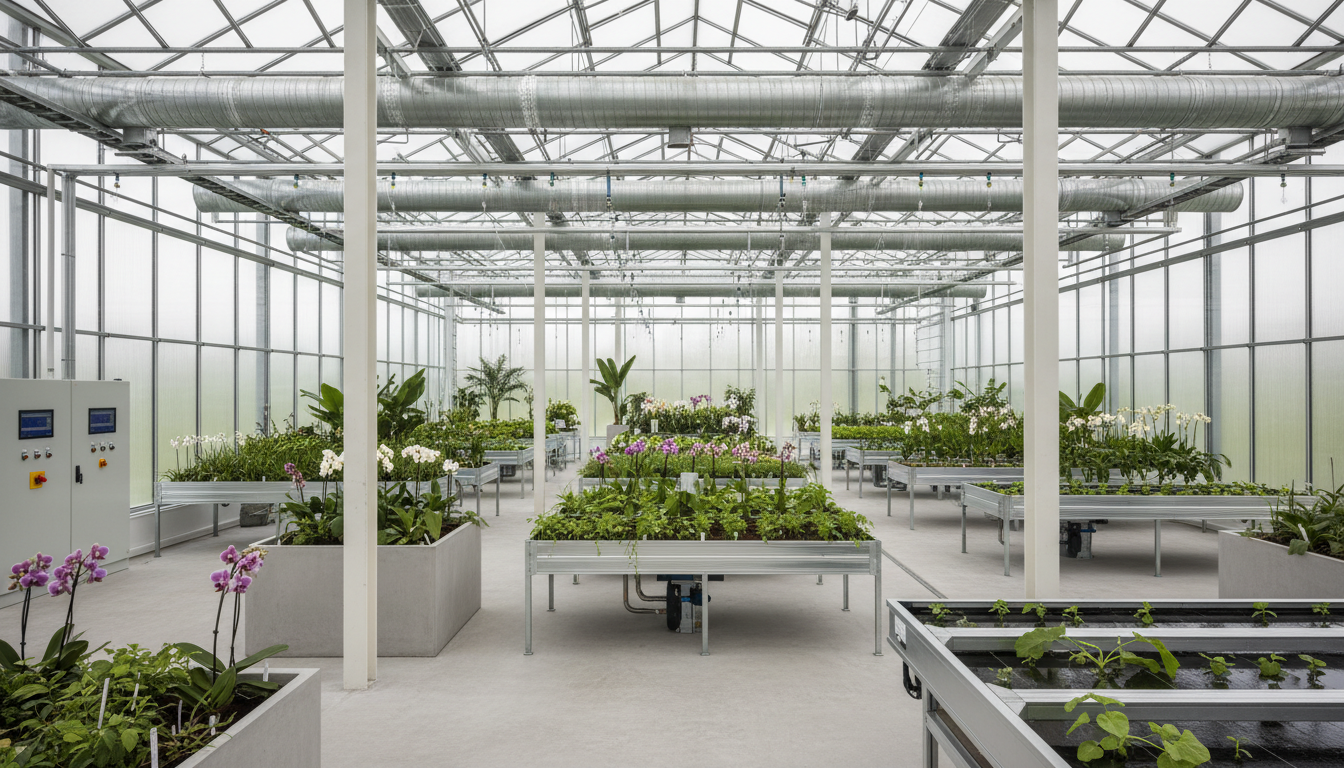
One of the most impactful trends in greenhouse farming is the adoption of sustainable practices. Techniques such as recycling water, using renewable energy, and implementing efficient waste management systems are becoming standard. These practices not only reduce the environmental footprint but also cut costs for farmers.
Technological innovations like automated climate control systems and advanced lighting solutions are further enhancing sustainability. These systems optimize resource use by adjusting light, temperature, and humidity levels, ensuring plants receive exactly what they need.
Hydroponics and Aquaponics
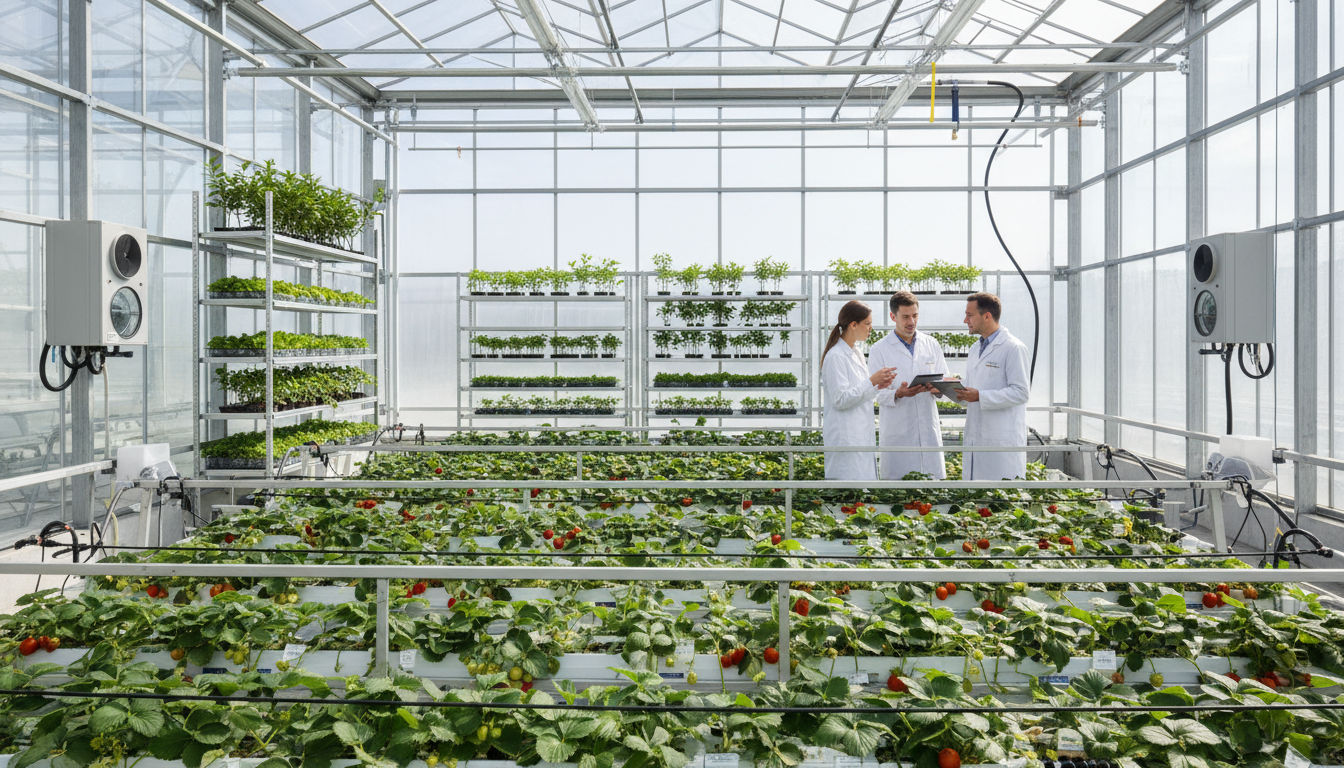
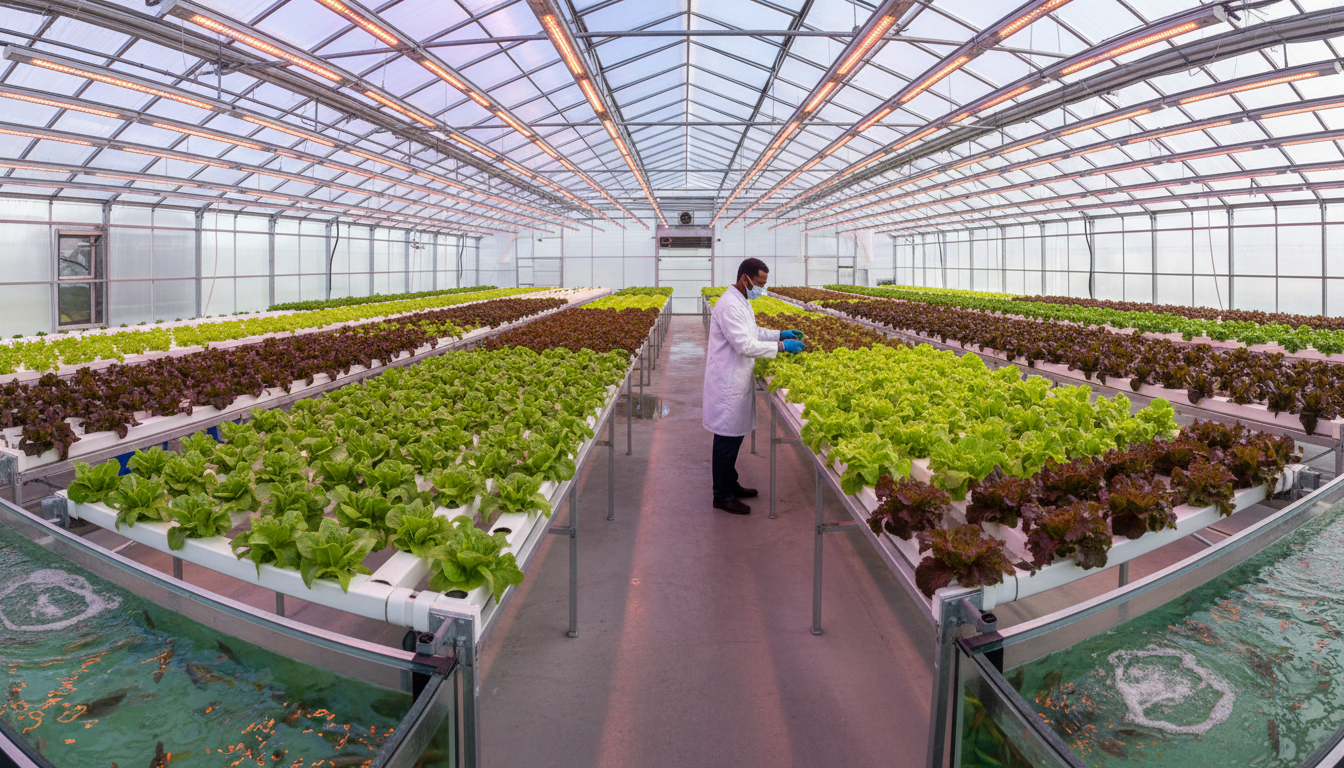
Hydroponics and aquaponics are gaining popularity as soilless cultivation methods that make greenhouse farming more efficient. In hydroponics, plants grow in nutrient-rich water, allowing precise control over nutrients. Aquaponics combines hydroponics with aquaculture, where fish waste provides natural fertilizer for plants.
These methods not only conserve water but also use space more efficiently. They allow farmers to grow more crops in smaller areas, making them ideal for urban environments and regions with limited agricultural land.
Vertical Farming in Greenhouses
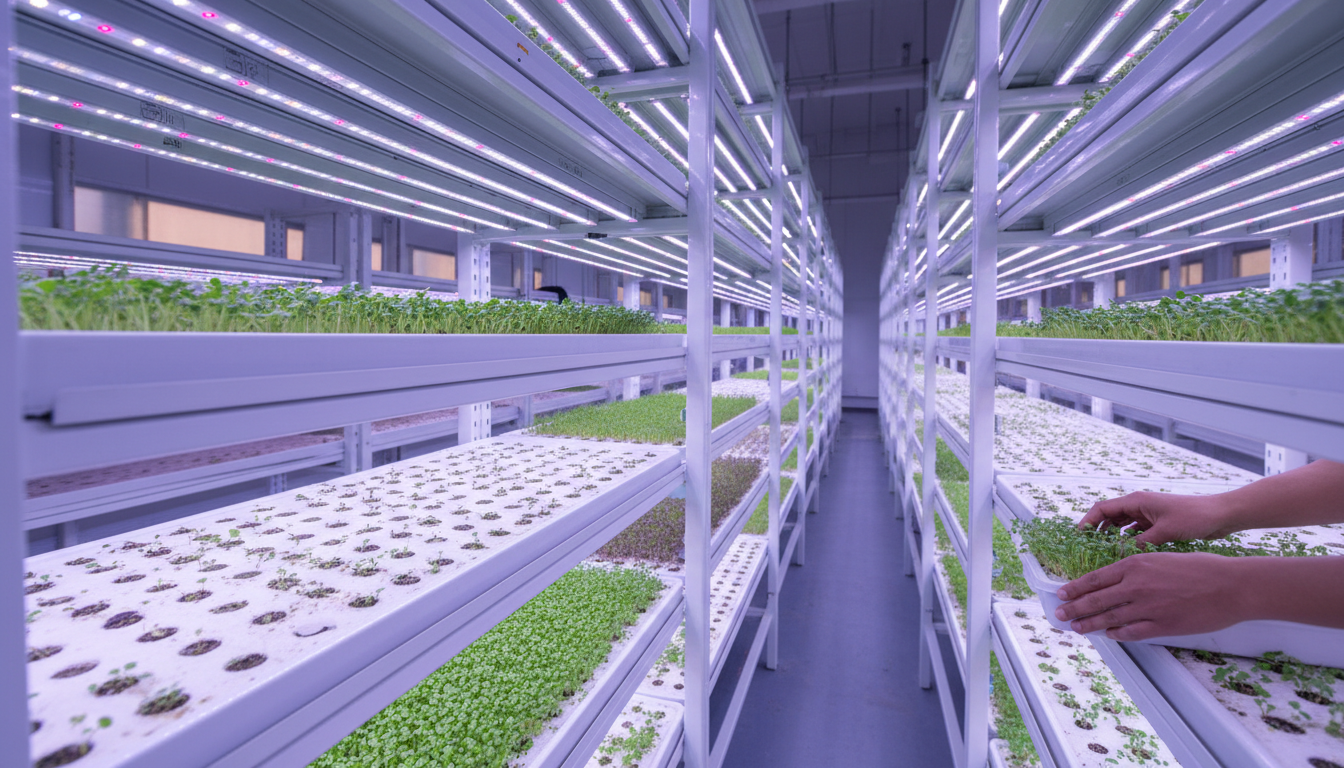
Vertical farming is a trend that is reshaping the landscape of greenhouse farming. By stacking plants vertically, farmers can maximize the use of space and increase yield. This method is particularly beneficial in urban areas where space is limited.
Vertical farming systems often incorporate advanced technologies like LED lighting and automated nutrient delivery, which further enhance efficiency. This approach supports year-round production and reduces the need for pesticides, contributing to healthier produce.
Data-Driven Farming
The integration of data analytics in greenhouse farming is transforming how farmers make decisions. Sensors and IoT devices collect real-time data on plant health, environmental conditions, and resource usage. This data is then analyzed to optimize growing conditions and detect potential issues before they become problems.
Data-driven farming not only improves crop yield but also enhances sustainability by minimizing resource wastage. Farmers can make informed decisions that lead to more efficient and productive farming practices.

Conclusion
Innovative trends in greenhouse farming are paving the way for a more sustainable and efficient agricultural future. From hydroponics to data-driven farming, these advancements are not only improving crop yields but also contributing to environmental conservation. As technology continues to evolve, greenhouse farming will undoubtedly play a crucial role in feeding the world's growing population.