
Maximizing Crop Yields: The Role of Agronomic Support in Ghana


The Importance of Agronomic Support
In Ghana, agriculture remains a cornerstone of the economy, providing livelihoods for millions. To maximize crop yields, farmers require access to advanced agronomic support. This support encompasses a range of services, from soil testing to crop management advice, aimed at optimizing the conditions for growth.
Understanding soil health is crucial for farmers. Agronomists help by conducting soil tests to determine nutrient levels and pH balance, ensuring that crops receive the necessary nutrients for healthy growth. This foundational step can significantly impact yield outcomes.

Innovative Farming Techniques
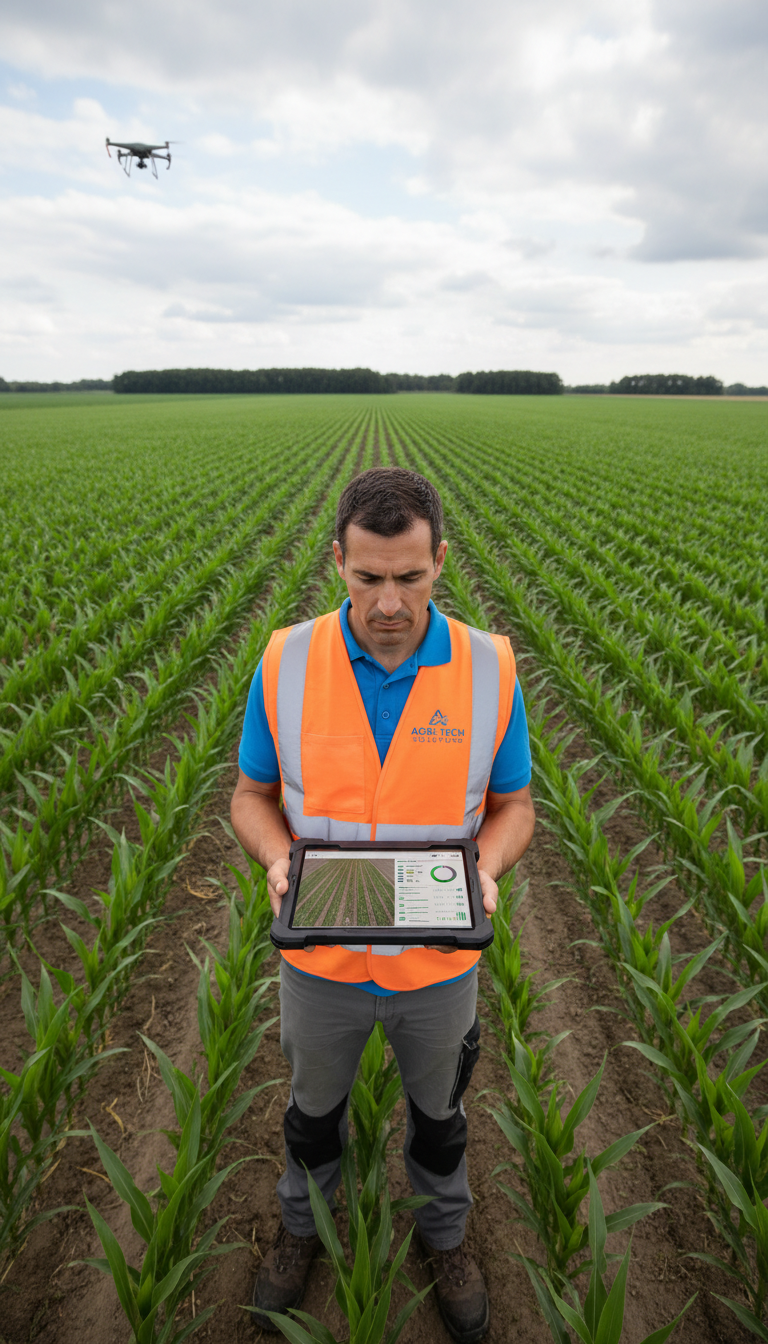
Adopting innovative farming techniques is another vital aspect of maximizing crop yields. Agronomic support introduces farmers to modern practices such as precision farming, which uses technology to monitor crop conditions and make informed decisions. This approach minimizes waste and optimizes resource use.
Additionally, crop rotation and intercropping are encouraged to maintain soil fertility and reduce pest infestations. Agronomists provide tailored advice based on the specific needs of each farm, helping farmers implement these techniques effectively.
Access to Quality Seeds and Fertilizers
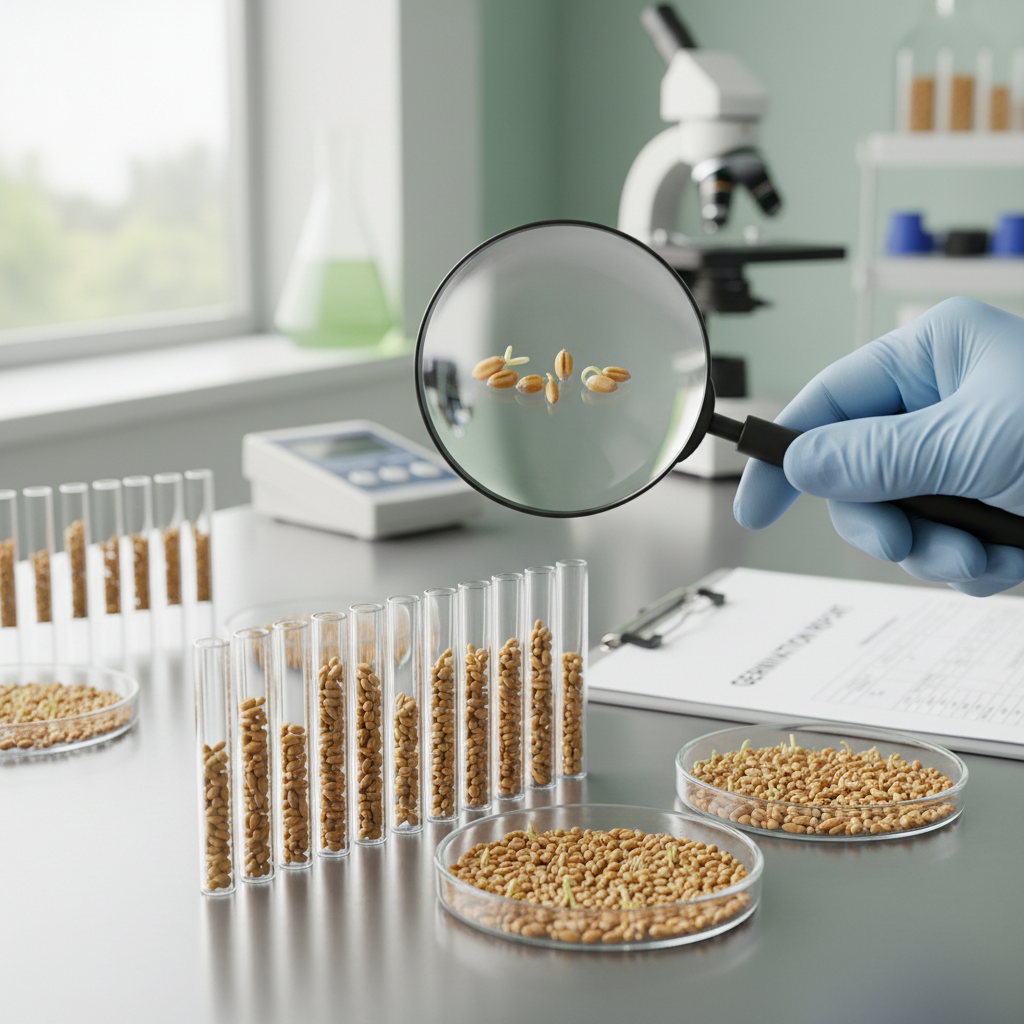
Quality seeds and fertilizers are essential components of successful farming. Agronomic support ensures that farmers have access to high-quality inputs that are suited to the local climate and soil conditions. This not only enhances growth rates but also boosts resistance to pests and diseases.
Moreover, agronomists guide farmers in the appropriate application of fertilizers, preventing overuse that can lead to environmental harm. By understanding the precise needs of their crops, farmers can achieve better yields while maintaining sustainability.
Training and Education
Education plays a pivotal role in empowering farmers. Agronomic support often includes training programs that cover a wide range of topics, from pest management to efficient water use. These programs help farmers stay updated on the latest agricultural advancements.
Through workshops and field demonstrations, farmers gain hands-on experience and learn effective strategies to implement on their farms. This continuous education is vital for adapting to changing environmental conditions and market demands.

Building Resilience
Agronomic support is not just about increasing yields; it also focuses on building resilience against climate change. By promoting sustainable practices and introducing drought-resistant crop varieties, agronomists help farmers mitigate risks associated with erratic weather patterns.
This resilience is crucial for ensuring food security in Ghana. With the right support, farmers can adapt to challenges and maintain productivity, contributing to the overall stability of the agricultural sector.
In conclusion, agronomic support plays an indispensable role in maximizing crop yields in Ghana. By providing expertise, resources, and education, agronomists empower farmers to innovate and thrive, ensuring a prosperous future for the nation's agriculture.