
Maximizing Greenhouse Yield: Expert Tips for Ghanaian Farmers


In recent years, greenhouse farming has emerged as a promising solution for Ghanaian farmers seeking to enhance productivity and sustainability. By controlling environmental factors, greenhouses can significantly boost crop yields and quality, which is crucial for meeting the growing food demands.
To maximize the potential of greenhouse farming, it is essential to implement strategic practices tailored to local conditions. Here are expert tips to help Ghanaian farmers optimize their greenhouse yield.
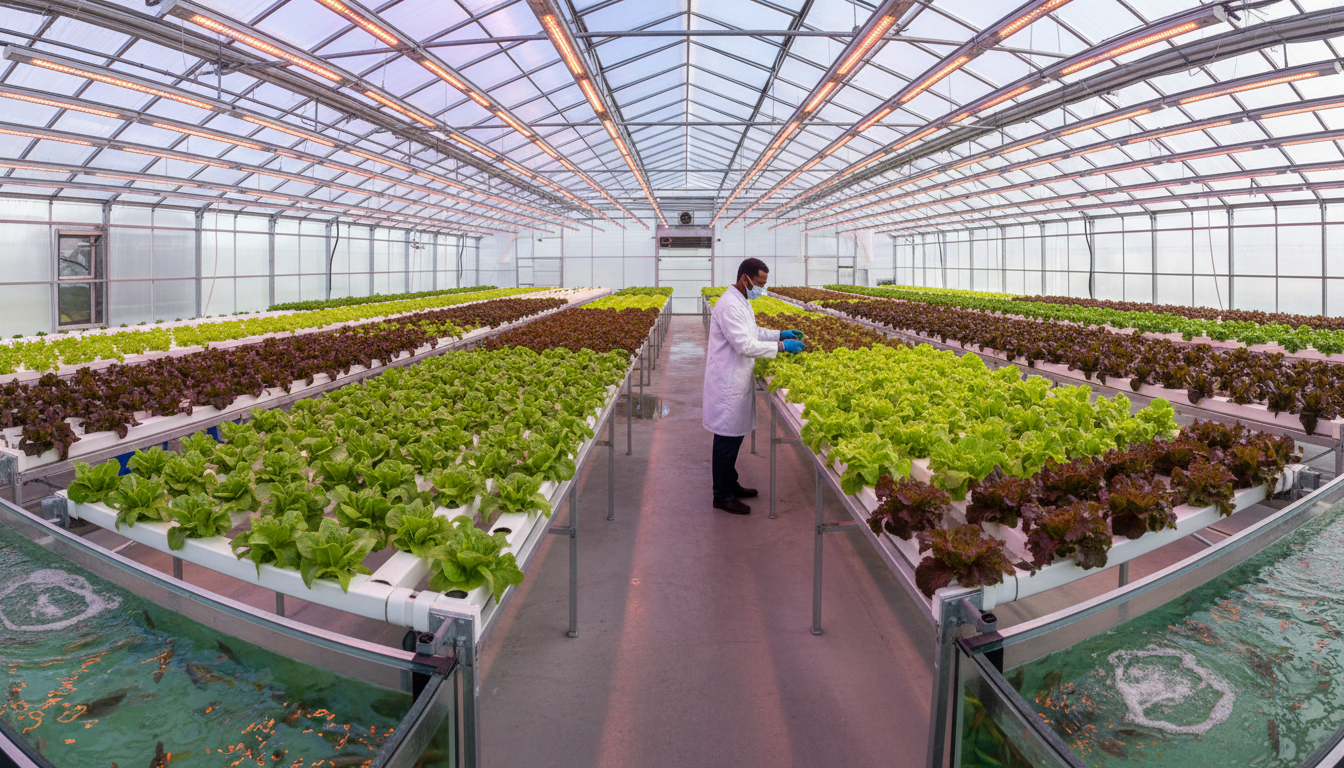
Optimize Environmental Conditions
Controlling temperature and humidity is critical in a greenhouse setting. To achieve this, ensure the installation of appropriate ventilation systems. This helps in regulating temperature while preventing excess humidity, which can lead to mold growth. Use shade nets to manage sunlight exposure and prevent overheating.
Regular monitoring with thermostats and hygrometers can alert farmers to any changes that require adjustments. Maintaining ideal conditions ensures that crops grow in an environment conducive to high yield.
Soil and Nutrient Management
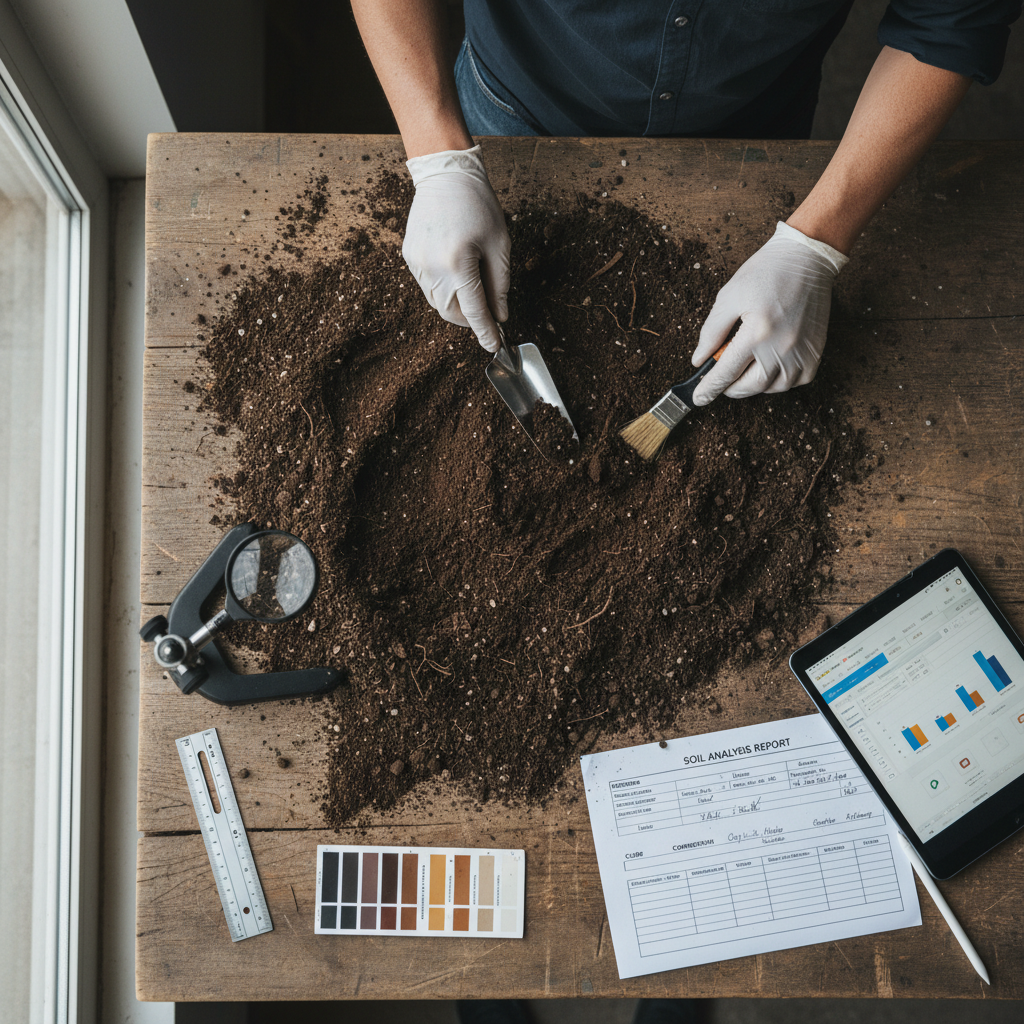
Using the right soil mix is vital for healthy plant growth. Consider a well-draining mix that retains sufficient moisture and nutrients. Regular soil testing will help determine nutrient deficiencies and guide fertilizer application.
Implement an integrated nutrient management plan that incorporates organic matter and synthetic fertilizers. This approach not only boosts growth but also maintains soil health over time.
Crop Selection and Rotation
Choose crops that are well-suited to greenhouse cultivation and market demand. Tomatoes, peppers, and cucumbers are popular choices in Ghana. Rotating crops can prevent soil nutrient depletion and reduce pest buildup.
Crop rotation also improves soil structure and fertility, leading to healthier plants and higher yields. By diversifying crops, farmers can mitigate risks associated with market fluctuations.
Pest and Disease Control
Pests and diseases can severely impact greenhouse productivity. Implement integrated pest management (IPM) strategies to minimize their effects. This includes regular monitoring, biological control agents, and minimal use of chemical pesticides.
Encourage beneficial insects that prey on common pests and maintain cleanliness to prevent disease outbreaks. A proactive approach ensures a healthier crop and reduces potential losses.

Water Management
Efficient water use is crucial in greenhouse farming. Drip irrigation systems can help deliver water directly to the plant roots, reducing waste and ensuring optimal hydration. Regularly check the system for clogs or leaks to maintain efficiency.
Collecting rainwater and using it for irrigation can also be a sustainable practice, reducing reliance on external water sources.
Implementing Technology
Leveraging technology can significantly enhance greenhouse productivity. Automated systems for climate control, irrigation, and nutrient delivery can increase precision and reduce labor costs.
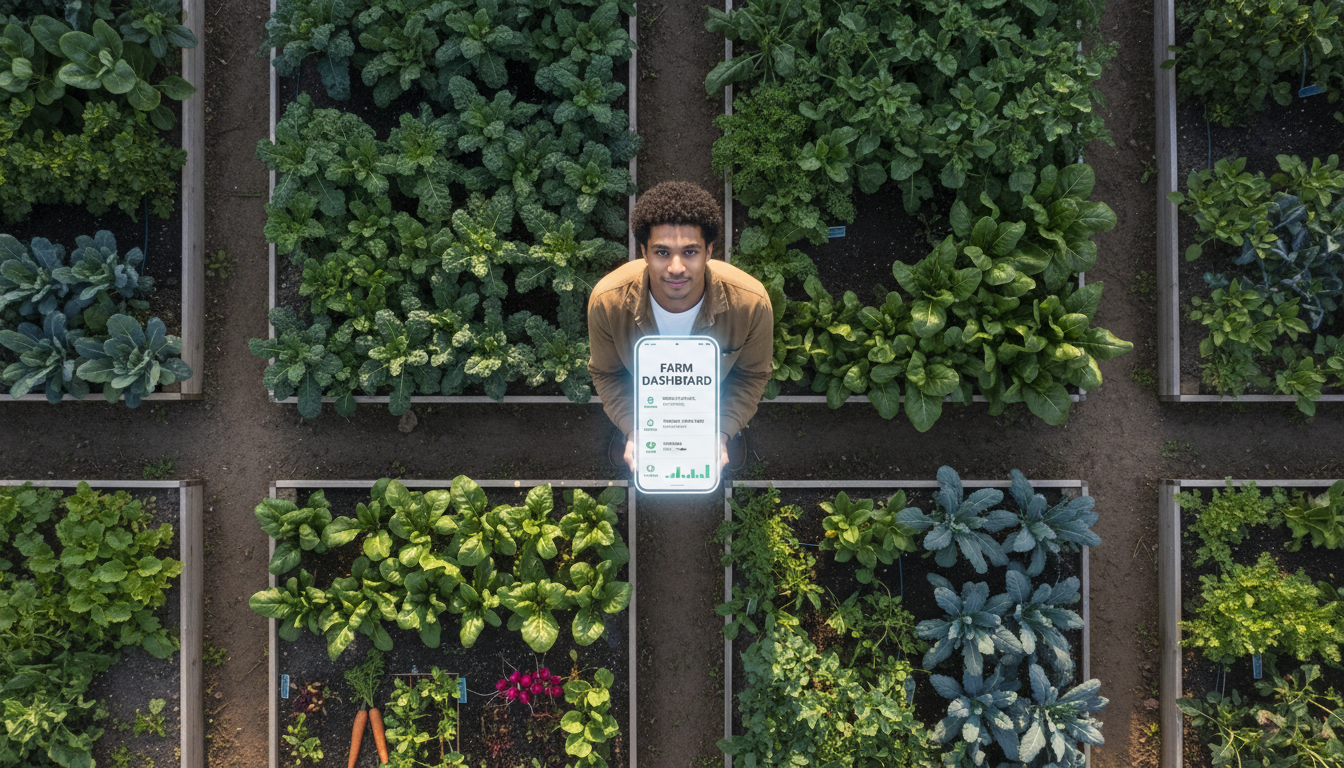
Consider investing in sensors and smart technology to facilitate data-driven decisions. This can lead to more efficient resource use and improved yields.
By following these expert tips, Ghanaian farmers can maximize their greenhouse yields, contributing to food security and economic growth in the region. Embracing innovative practices and technologies will pave the way for a more sustainable and productive agricultural future.