
Maximizing Greenhouse Yield: Expert Tips for Ghanaian Farmers


Greenhouses offer a promising opportunity for Ghanaian farmers to increase crop yields and improve food security. By creating a controlled environment, greenhouses can help mitigate the challenges posed by unpredictable weather patterns. Here are some expert tips to maximize your greenhouse yield.
Choose the Right Crops
Selecting the appropriate crops for your greenhouse is crucial. Consider crops that thrive in a controlled environment and have a high market demand. Common choices include tomatoes, peppers, and cucumbers. These crops not only adapt well to greenhouse conditions but also promise higher returns.
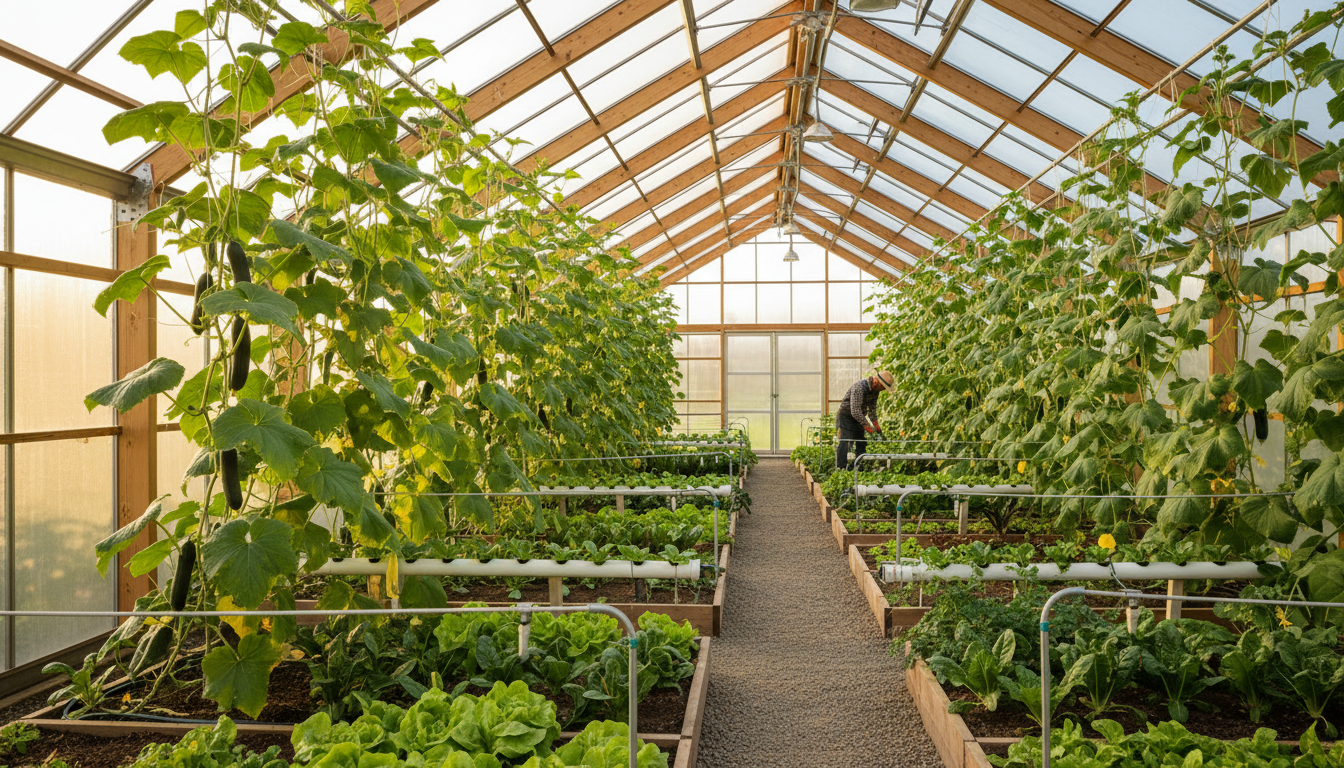
Optimize Your Greenhouse Design
The design of your greenhouse significantly impacts your yield. Focus on maximizing natural light by ensuring the structure is oriented to capture the most sunlight. Adequate ventilation is also essential to regulate temperature and humidity. Consider using energy-efficient materials to reduce costs and improve sustainability.
Layout is another critical factor. Space your plants efficiently to allow for optimal growth while ensuring ease of access for maintenance and harvesting.
Soil and Nutrient Management
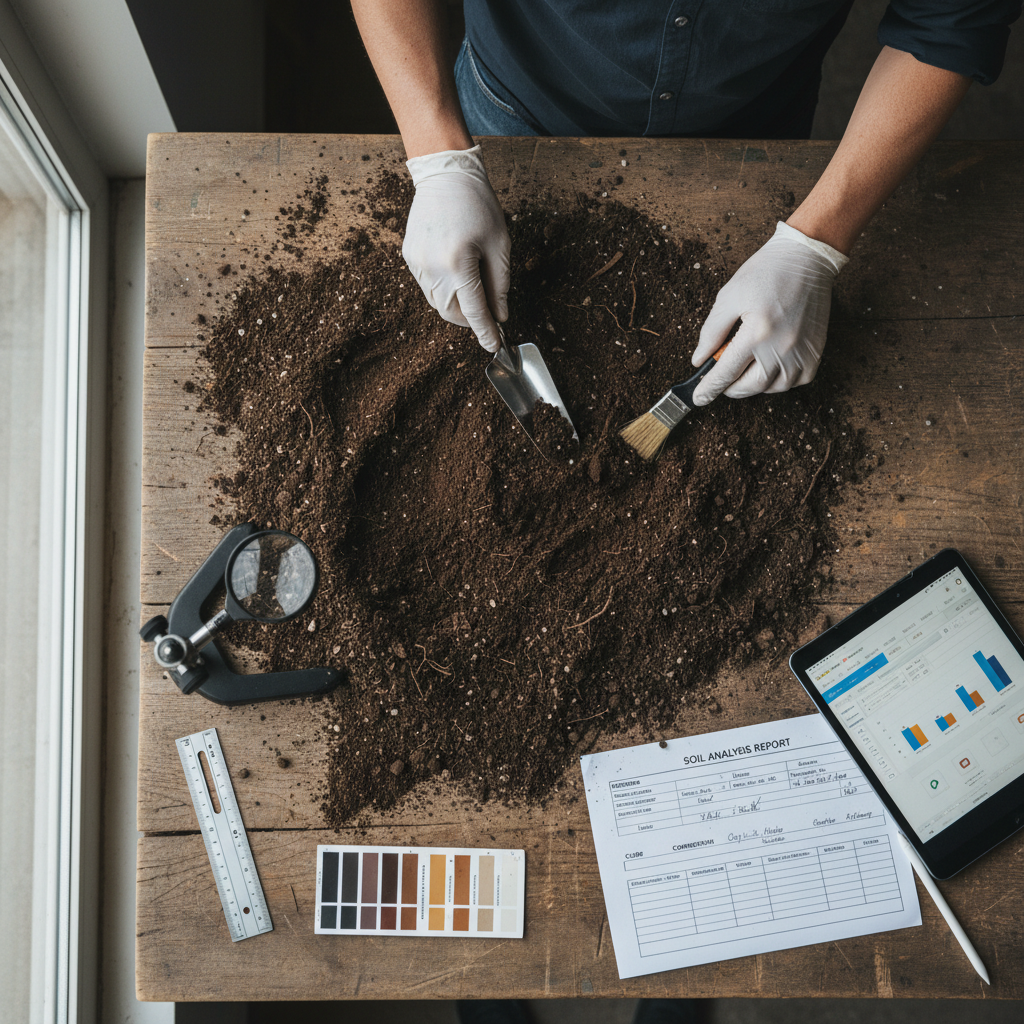
Healthy soil is the foundation of productive crops. Conduct regular soil tests to monitor nutrient levels and pH balance. Based on the results, amend the soil with the necessary nutrients. Organic fertilizers and compost are excellent choices to enhance soil fertility sustainably.
Implement Effective Watering Techniques
Water management is vital in a greenhouse setting. Implementing a drip irrigation system can significantly conserve water while ensuring consistent moisture levels. Monitor the plants regularly to prevent overwatering or underwatering, which can stress the plants and reduce yield.
Pest and Disease Control
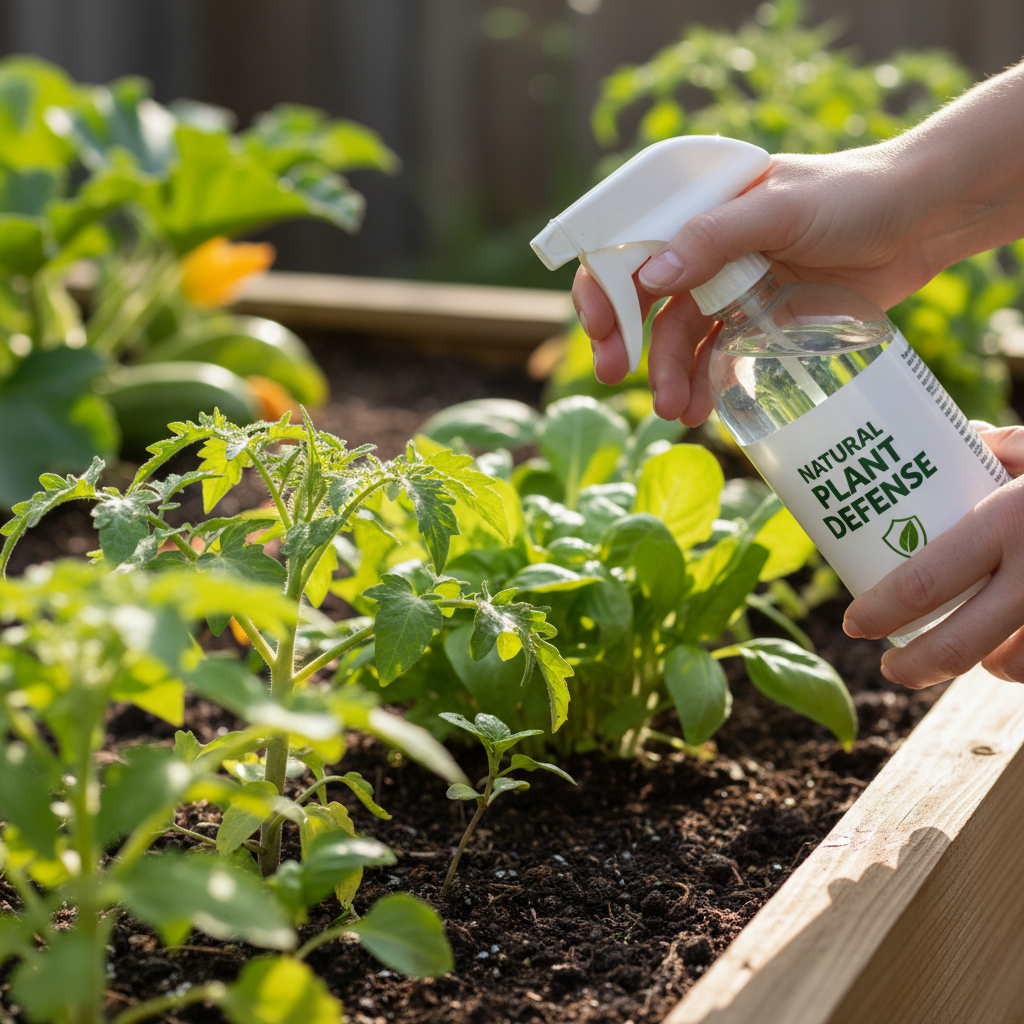
Maintaining a pest-free environment is essential for maximizing yield. Use integrated pest management (IPM) techniques, such as introducing beneficial insects and using organic pesticides. Regularly inspect plants for signs of disease and act promptly to address any issues.
Monitor and Adjust Climate Conditions
Invest in technology that allows you to monitor and adjust greenhouse climate conditions effectively. Temperature, humidity, and CO2 levels should be regularly checked and adjusted to ensure optimal growing conditions. Automation systems can help maintain these parameters without constant manual intervention.
Continuous Learning and Adaptation
The agricultural landscape is always evolving. Stay informed about the latest greenhouse technologies and farming practices. Attend workshops, engage with agricultural experts, and network with other farmers to share experiences and solutions.
By implementing these expert tips, Ghanaian farmers can significantly enhance their greenhouse yields, contributing to improved food security and economic growth. Embrace the potential of greenhouse farming and invest in practices that promise a sustainable future.