
Maximizing Yield with Agronomic Support: A Comprehensive Guide


In the ever-evolving world of agriculture, maximizing yield is a primary goal for farmers and agronomists alike. With the increasing demand for food and the challenges posed by climate change, effective agronomic support becomes essential. This guide explores strategies and practices for enhancing crop yield through agronomic support.
Understanding Agronomic Support
Agronomic support involves a range of services and practices that aim to improve crop production. These include soil management, pest control, and nutrient management. By leveraging these practices, farmers can significantly increase their yields and improve the quality of their produce.
One of the key components of agronomic support is understanding the specific needs of each crop and tailoring strategies accordingly. This involves analyzing soil health, understanding weather patterns, and choosing appropriate crop varieties.

Soil Management Techniques
Soil health is the foundation of successful crop production. Implementing effective soil management techniques can lead to healthier plants and higher yields. Practices such as crop rotation, cover cropping, and no-till farming help maintain soil structure and fertility.
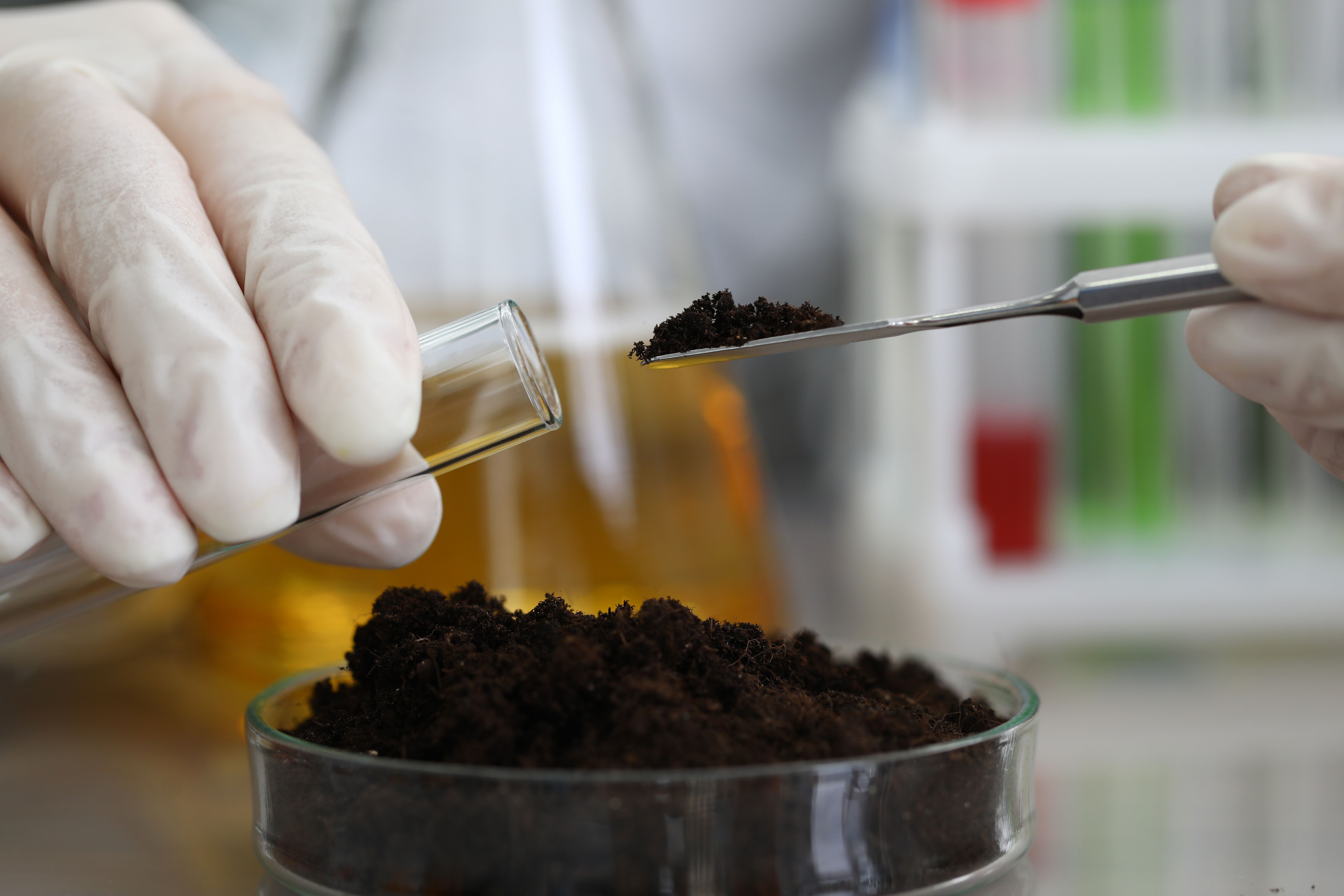
Regular soil testing is crucial to understand nutrient deficiencies and to apply the right fertilizers. This ensures that crops receive the necessary nutrients at the right time, promoting optimal growth.
Crop Rotation and Cover Cropping
Crop rotation helps in breaking pest and disease cycles, while cover cropping improves soil organic matter and prevents erosion. These techniques contribute to long-term soil health and sustainability.
Pest and Disease Management
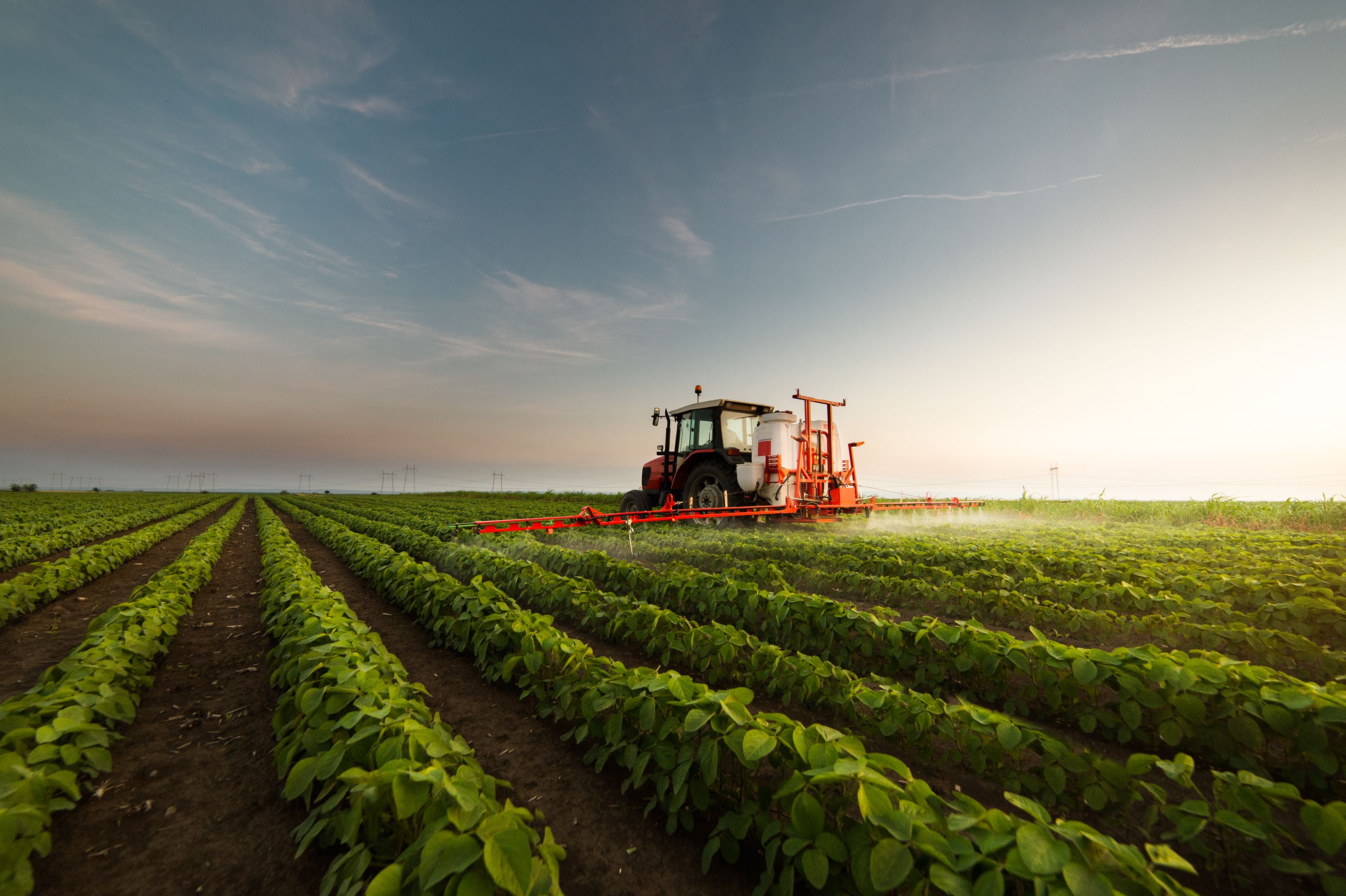
Pests and diseases can significantly impact crop yield. Integrated Pest Management (IPM) is a sustainable approach that combines biological, cultural, and chemical methods to control pests effectively.
By monitoring pest populations and utilizing natural predators, farmers can reduce the reliance on chemical pesticides, thus preserving the ecosystem and ensuring crop safety.
Biological Control Methods
Biological control involves using beneficial insects and microorganisms to control pest populations. This method is environmentally friendly and can be highly effective when integrated with other pest management strategies.
Nutrient Management Strategies
Nutrient management is a critical aspect of agronomic support. It involves the efficient use of fertilizers to provide crops with essential nutrients without causing environmental harm.
Precision agriculture technologies, such as GPS-guided equipment and soil sensors, enable farmers to apply fertilizers more accurately, reducing waste and improving crop yield.
Using Precision Agriculture
Precision agriculture allows for more targeted nutrient application, ensuring that each part of the field receives the optimal amount of nutrients. This approach not only maximizes yield but also reduces costs and environmental impact.

Conclusion
Maximizing yield through agronomic support requires a comprehensive approach that considers soil health, pest management, and nutrient efficiency. By adopting these strategies, farmers can enhance productivity and sustainability, meeting the growing demands of the global population.
Continued research and innovation in agronomy will further empower farmers to achieve higher yields and contribute to a more sustainable future for agriculture.