
Preparing for the Planting Season: Essential Tips for Ghanaian Farmers


Understanding the Climate
Ghana's diverse climate zones require farmers to be keenly aware of local weather patterns. Understanding these patterns is crucial for selecting the right crops and planting times. Regions like the coastal savanna, forest zones, and northern savanna each have unique climatic conditions that affect farming activities.
Analyzing Soil Quality
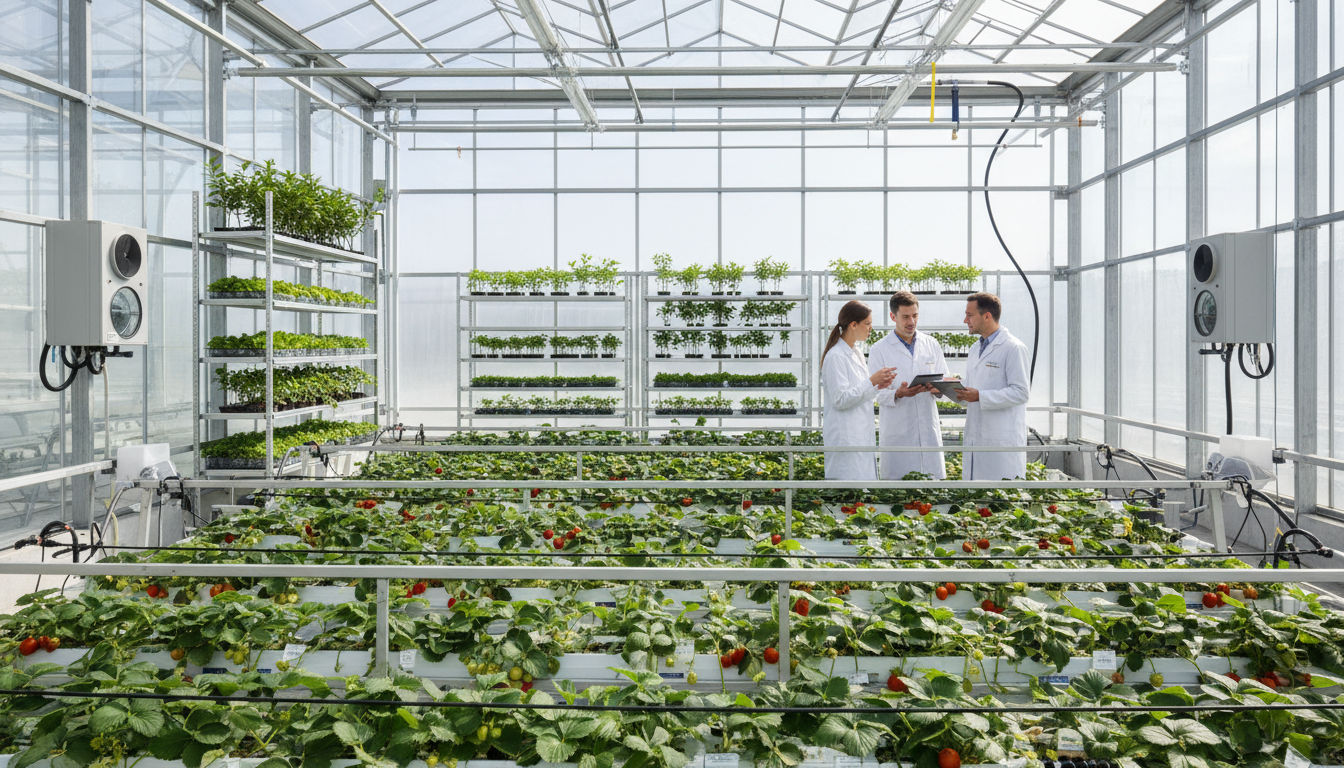
Soil testing is an essential step before planting. By analyzing soil composition, farmers can determine nutrient levels and pH balance, ensuring that crops receive the necessary nutrients for optimal growth. Testing kits and local agricultural extension services can provide valuable support in this area.
Selecting the Right Crops
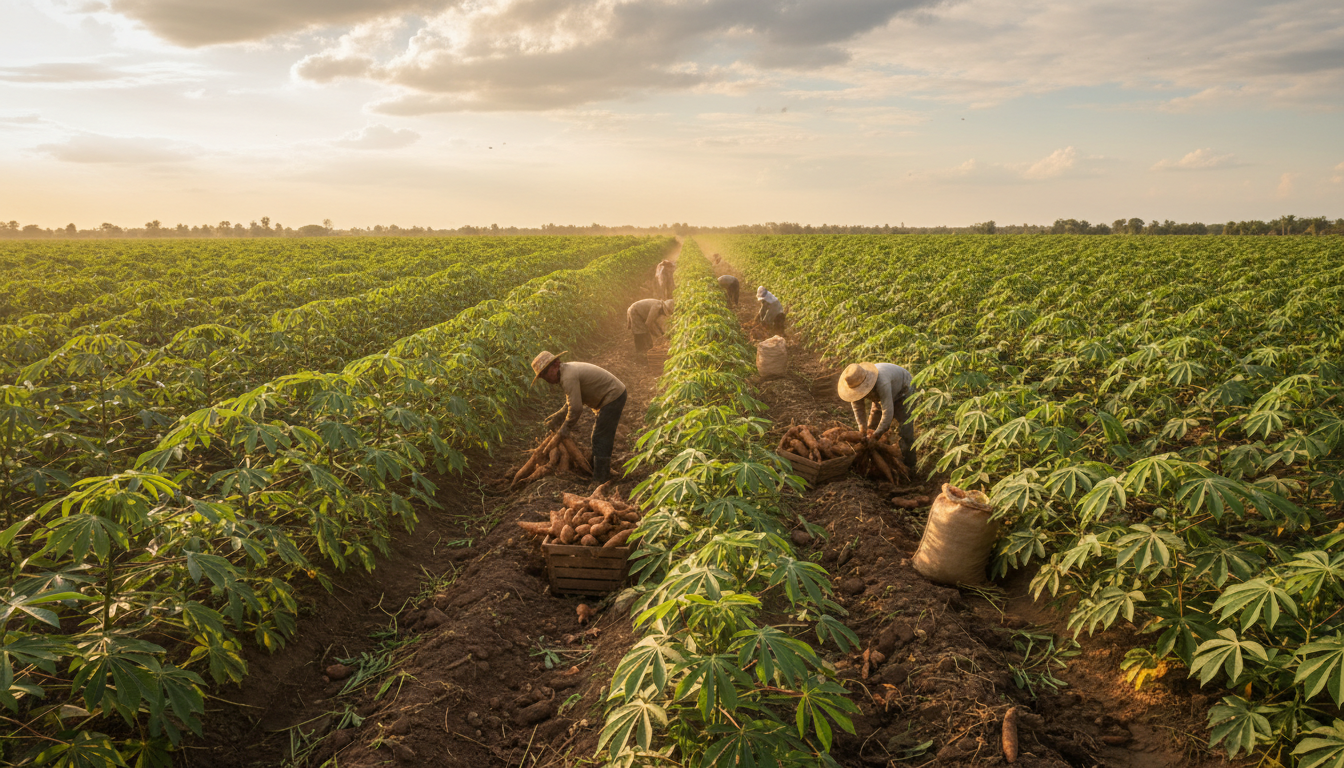
Choosing crops that are well-suited to the local climate and soil conditions can significantly enhance productivity. Popular crops in Ghana include maize, cassava, yams, and cocoa. Researching market demand and potential profitability can further guide crop selection.
Preparing the Land
Land preparation is a critical step that involves clearing, plowing, and leveling the field to create an ideal planting environment. Using the right equipment and techniques can improve soil aeration and water retention, promoting healthier plant growth.
Irrigation Planning
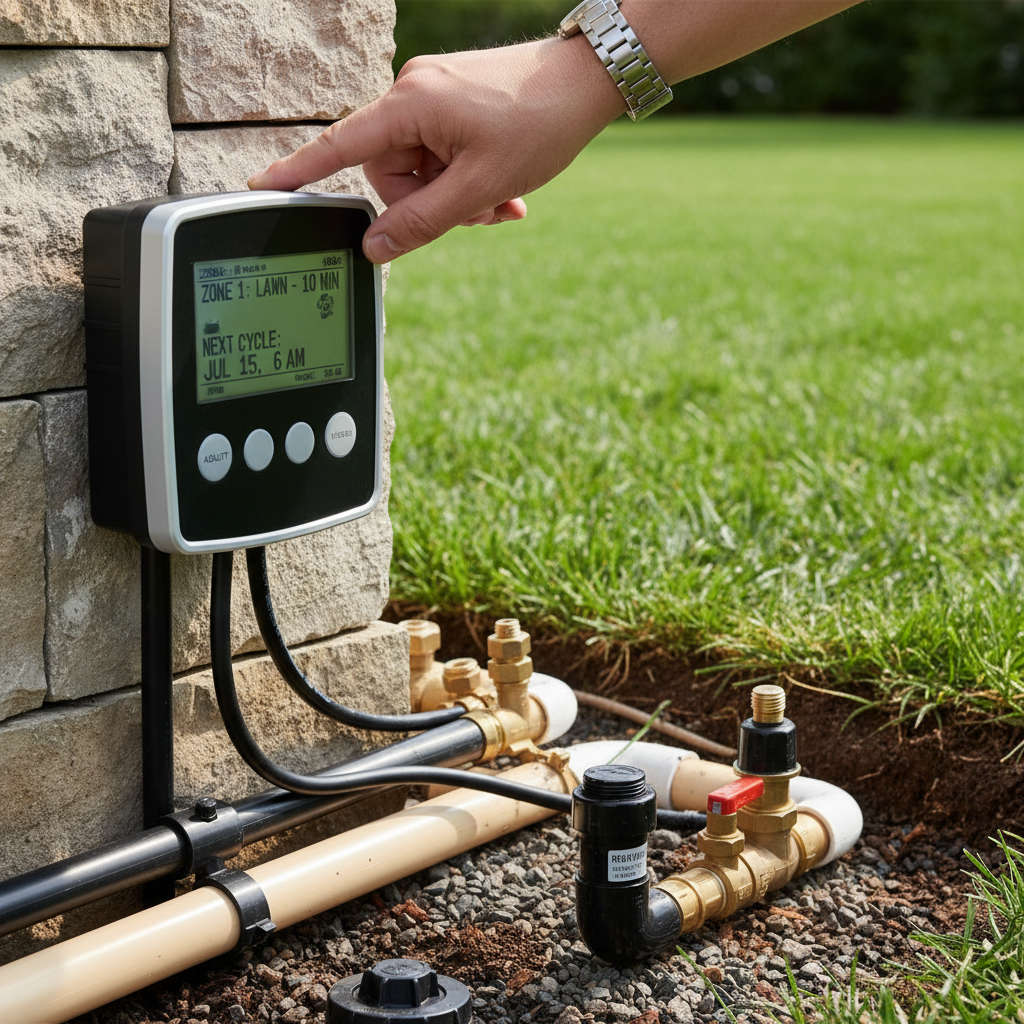
In regions where rainfall is unpredictable, irrigation planning becomes crucial. Implementing efficient irrigation systems can help manage water resources and ensure that crops receive adequate moisture throughout the growing season.
Pest and Disease Management
Pest and disease control is vital for protecting crops and ensuring a successful harvest. Farmers can adopt integrated pest management (IPM) strategies, which include using resistant crop varieties, natural predators, and environmentally friendly pesticides.
Acquiring Quality Seeds
The success of a planting season heavily depends on the quality of seeds used. Purchasing certified seeds from reputable suppliers can lead to better yields and disease resistance. It's essential to verify seed quality before planting to avoid potential losses.

Utilizing Technology
Embracing technology in agriculture can boost productivity and efficiency. Tools such as mobile apps for weather forecasting, market prices, and farm management can provide valuable insights and help streamline farming operations.
Financial Planning
Effective financial planning involves budgeting for inputs like seeds, fertilizers, and labor. Exploring financing options, such as loans and grants, can provide the necessary capital to invest in quality resources and technology.
- Determine budget requirements.
- Explore funding opportunities.
- Allocate resources wisely.
By taking these steps, Ghanaian farmers can enhance their preparedness for the planting season, ultimately leading to more successful and sustainable farming practices.