
Seasonal Planting Tips: Preparing for Ghana’s Growing Seasons


Ghana's diverse climate offers unique opportunities for gardening enthusiasts to cultivate a variety of plants throughout the year. Understanding the country's growing seasons is essential for maximizing your gardening efforts and ensuring a bountiful harvest.
Understanding Ghana’s Climate
Ghana experiences two main seasons: the rainy season and the dry season. The rainy season typically spans from April to October, providing ample water for crops. The dry season, from November to March, requires more strategic planning for irrigation and water management.
Gardening in Ghana means adapting to these climate conditions. The southern regions experience more rainfall, while the northern areas are drier, affecting the types of plants that can be grown successfully in each region.

Choosing the Right Crops
Selecting crops that thrive in specific seasons is crucial. During the rainy season, consider planting maize, rice, and vegetables like tomatoes and okra. These crops benefit from the abundant moisture and can lead to a successful yield.
In contrast, during the dry season, focus on drought-resistant crops such as millet, sorghum, and cassava. These plants are well-suited to thrive with minimal water, ensuring your garden remains productive year-round.
Utilizing Companion Planting
Companion planting is an effective strategy to enhance growth and protect plants. Pairing crops like maize and beans can lead to better nutrient use and pest control. Beans fix nitrogen in the soil, benefiting maize growth.
Soil Preparation and Fertilization
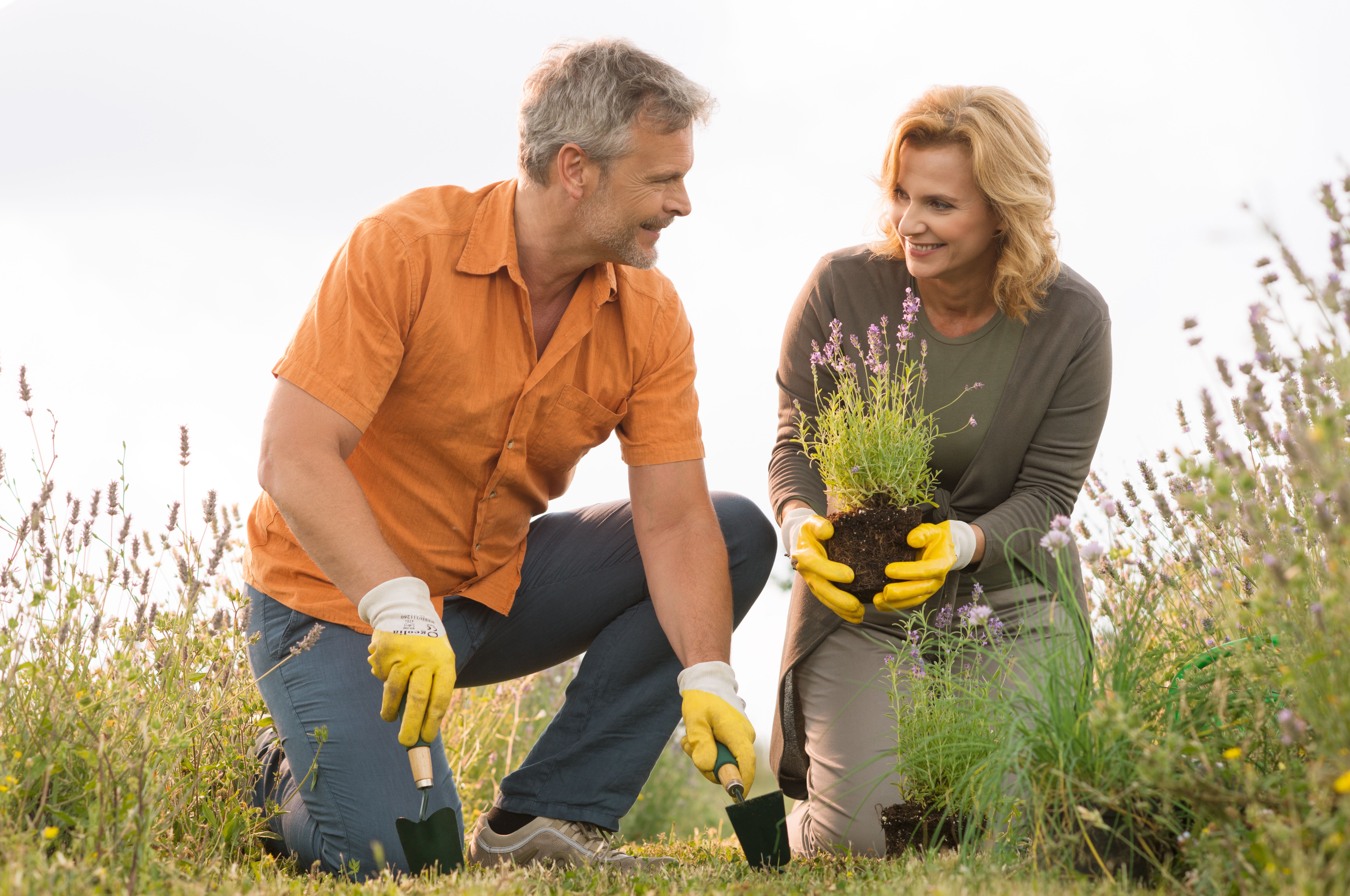
Preparing the soil is a critical step in ensuring healthy plant growth. Before planting, test the soil to determine its nutrient content. This will guide you in choosing the right fertilizers to enhance soil fertility.
Organic fertilizers, such as compost and manure, are excellent choices for enriching the soil. They improve soil structure and provide essential nutrients for plant growth, promoting a sustainable gardening approach.
Water Management Techniques
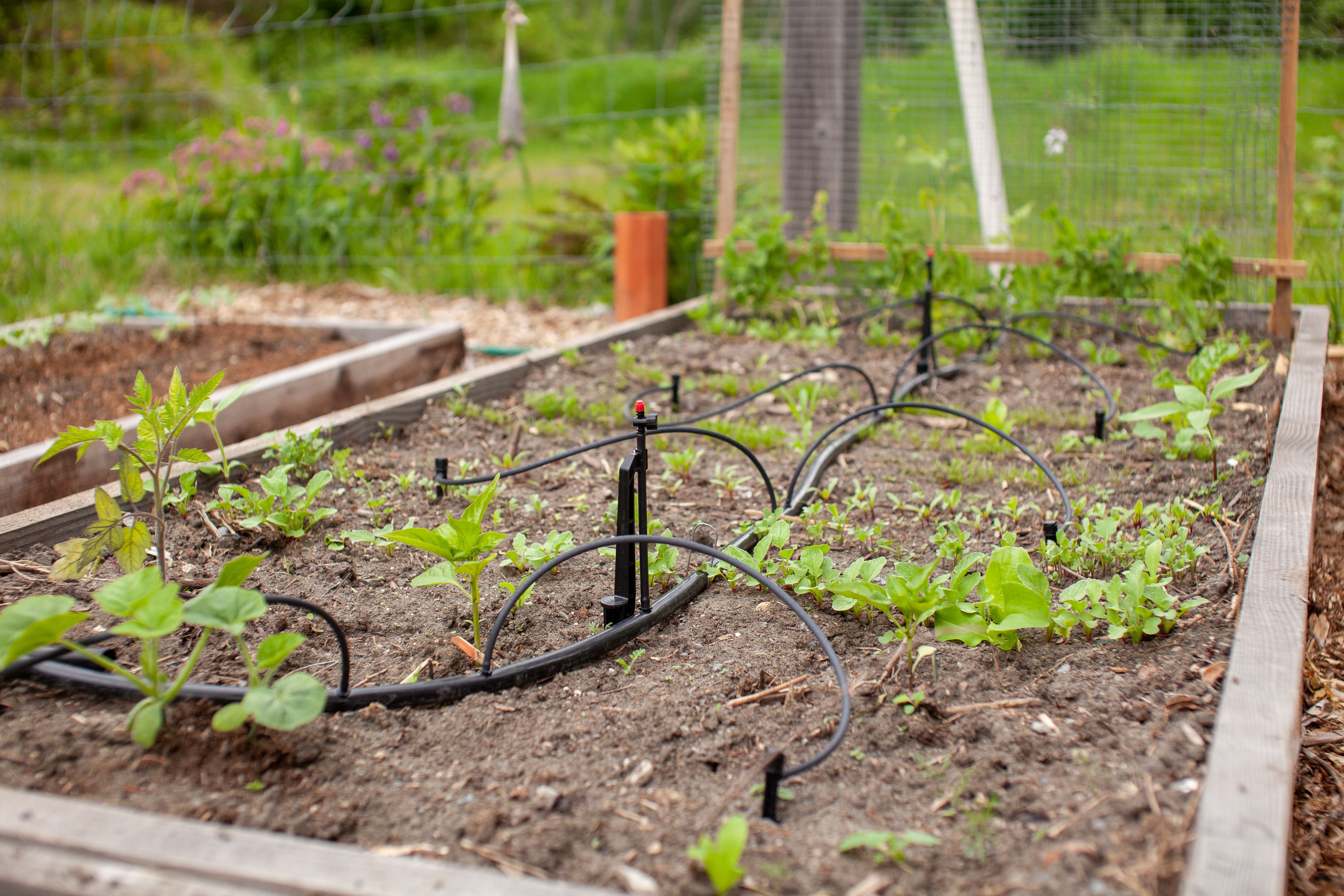
Efficient water management is essential, especially during the dry season. Implementing drip irrigation systems can help conserve water by directing it precisely to the plant roots, reducing wastage.
Pest and Disease Control
Pests and diseases can significantly impact your garden's productivity. Regularly inspect plants for signs of infestations, and use natural remedies like neem oil to deter pests. Crop rotation also helps in minimizing disease outbreaks by interrupting pest life cycles.
Additionally, promoting biodiversity in your garden attracts beneficial insects that help control harmful pest populations, creating a balanced ecosystem.
Conclusion
By understanding Ghana's growing seasons and adapting your gardening practices accordingly, you can enjoy a thriving garden throughout the year. Whether you are a seasoned gardener or a beginner, these tips will help you make the most of Ghana’s rich agricultural potential.