
Step-by-Step: Setting Up a Sustainable Farm in Ghana


Understanding the Basics of Sustainable Farming
Starting a sustainable farm in Ghana requires a solid understanding of the principles that support environmentally friendly and economically viable agriculture. The goal is to create a farming system that can thrive for generations without depleting resources or harming the ecosystem.
Focus on practices that enhance soil health, conserve water, and promote biodiversity. Begin by researching local climate conditions and soil types to choose the right crops and livestock for your farm.
Choosing the Right Location
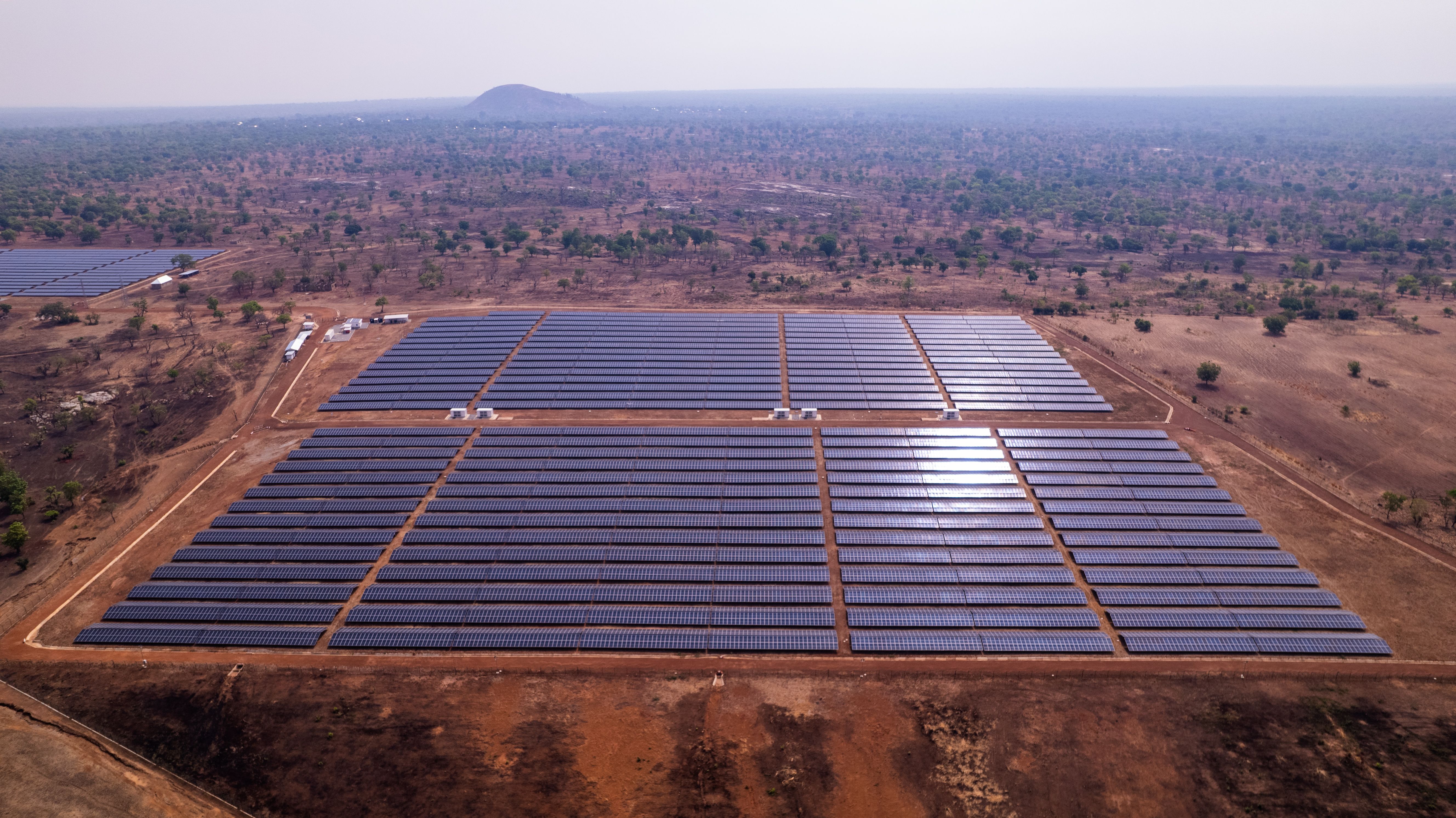
Location is key to the success of your sustainable farm. Look for land with fertile soil, access to water, and proximity to markets. Consider the topography of the land and its suitability for different types of farming activities. Accessibility to transportation routes will also be crucial for transporting goods.
Designing Your Farm Layout
Once you have secured the land, create a detailed farm layout. This should include areas for crops, livestock, water resources, and infrastructure like barns and storage facilities. Think about future expansion and how different elements of the farm will interact with each other.
Implementing techniques such as crop rotation, intercropping, and agroforestry can help maintain soil fertility and control pests naturally.
Selecting Sustainable Crops and Livestock
Choose crops and livestock that are well-adapted to the local climate and soil conditions. Indigenous species are often more resilient and require fewer resources. Consider integrating a mix of crops and animals to diversify your farm, which can improve resilience against market fluctuations and environmental challenges.
Implementing Water Conservation Techniques
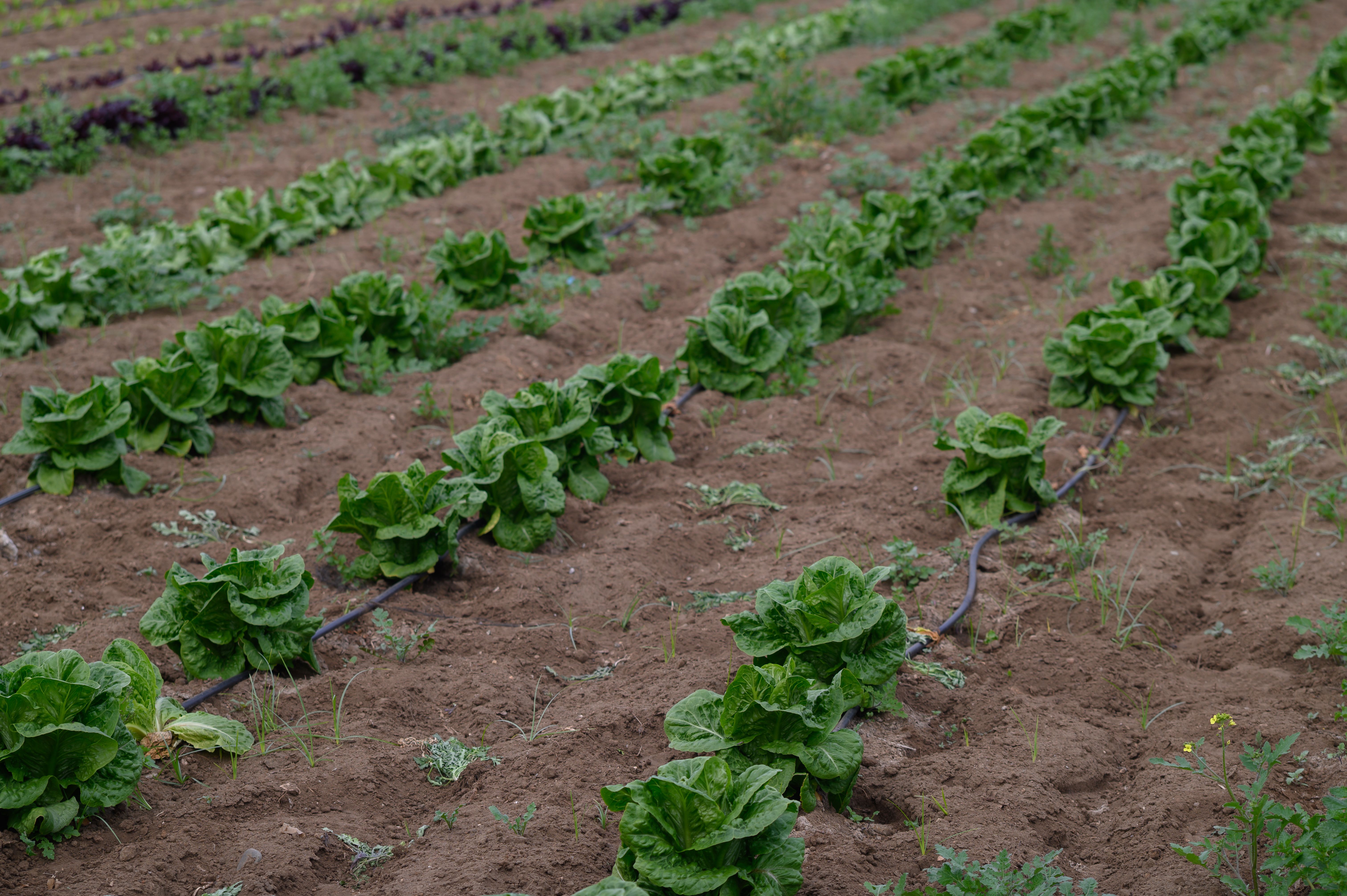
Water is a precious resource, especially in farming. Implementing water conservation techniques is critical. Drip irrigation, rainwater harvesting, and constructing swales are effective methods to conserve water and ensure your farm remains sustainable.

Building Soil Health
Healthy soil is the foundation of sustainable farming. Use organic matter like compost and green manure to enrich the soil. Avoid chemical fertilizers and pesticides that can degrade soil quality over time. Implement soil erosion control measures, such as planting cover crops and building terraces.
Marketing and Selling Your Produce
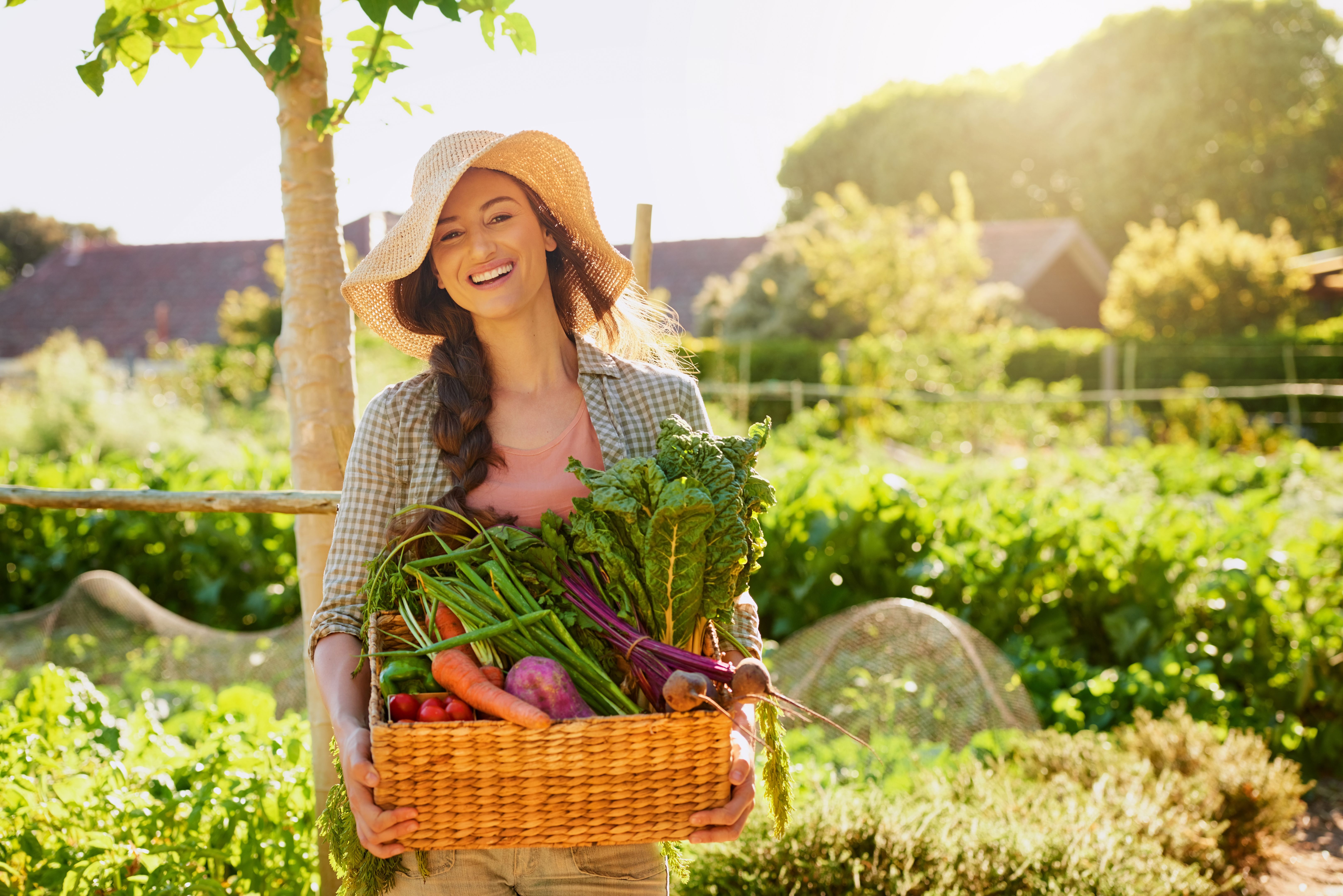
Once your farm is operational, developing a marketing strategy is essential to reach consumers. Consider local farmers' markets, online platforms, and partnerships with local businesses. Emphasize the sustainable aspects of your products to attract environmentally conscious consumers.
Continuously Learning and Adapting
Sustainable farming is an evolving field. Stay informed about new techniques and technologies that can improve your farm's sustainability. Attend workshops, join farming cooperatives, and network with other farmers to exchange knowledge and ideas.
By following these steps and staying committed to sustainability, you can establish a thriving farm in Ghana that benefits both your community and the environment.