
The Essential Guide to Agronomic Support in Ghana


Understanding the Importance of Agronomic Support
Agriculture plays a crucial role in Ghana's economy, employing a significant portion of the population and contributing to food security. However, farmers face numerous challenges, including unpredictable weather patterns, pest infestations, and soil degradation. Agronomic support is essential in addressing these issues, offering farmers the knowledge and tools they need to enhance productivity.
Agronomic support encompasses a wide range of services and advice, tailored to meet the specific needs of farmers. From crop selection to pest management, these services are designed to optimize yield and improve the sustainability of farming practices.
Soil Health and Fertility
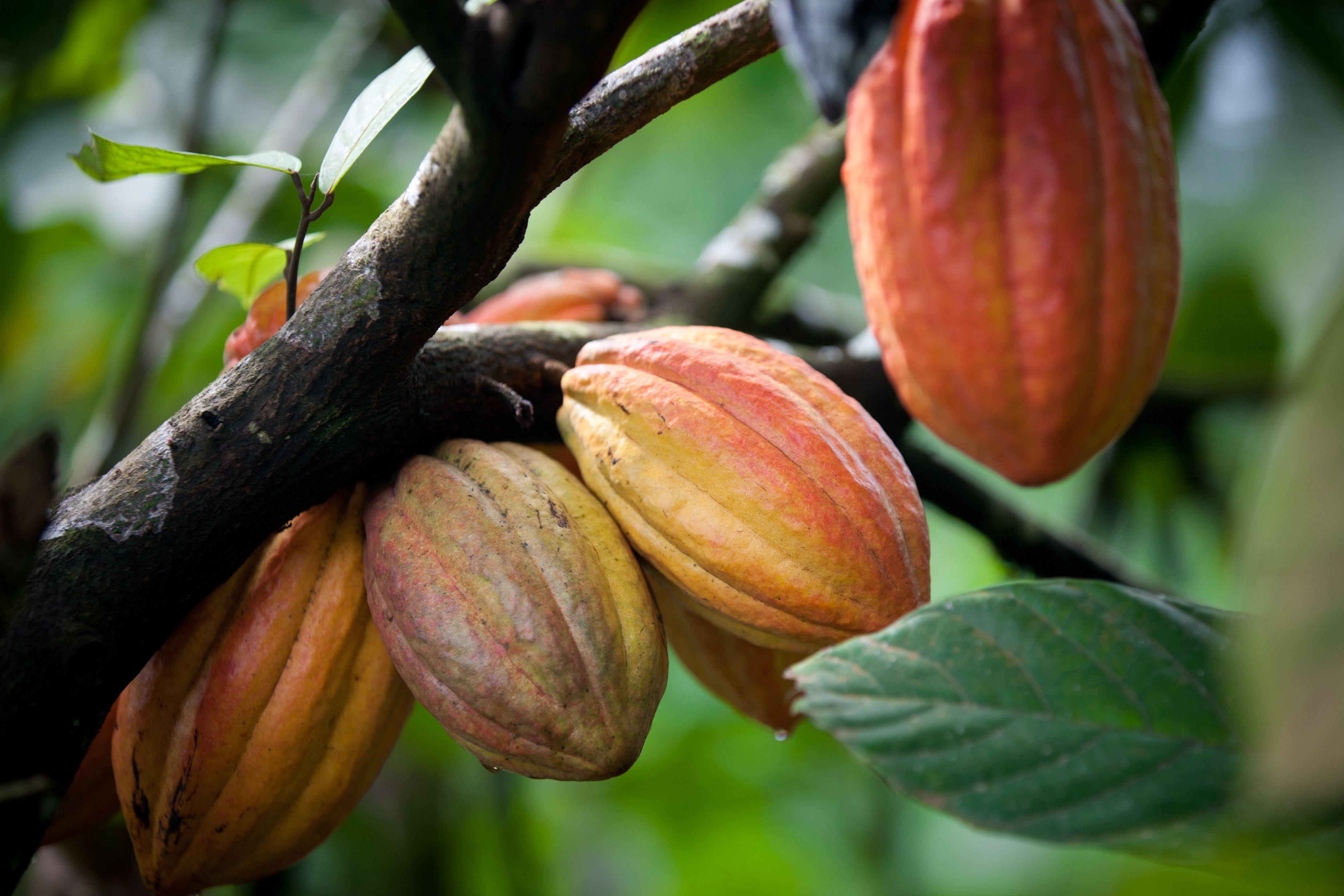
The foundation of any successful agricultural practice is healthy soil. In Ghana, maintaining soil fertility is a priority, given the reliance on agriculture for livelihood. Agronomic support services often begin with soil testing, which provides vital information about nutrient levels and soil composition. This data is critical for determining the appropriate type and amount of fertilizer to use.
Farmers are encouraged to adopt practices such as crop rotation and the use of organic matter to maintain soil health. These strategies help prevent nutrient depletion and support long-term agricultural productivity.
Crop Selection and Diversification
Choosing the right crops for the specific climate and soil conditions is another key aspect of agronomic support. In Ghana, where climate can vary significantly across regions, selecting the appropriate crops is essential for maximizing yield. Agronomists work closely with farmers to identify crops that are not only suitable but also marketable.
Diversification is also emphasized, as it reduces risk and increases resilience against market fluctuations and climatic changes. By growing a variety of crops, farmers can ensure a more stable income and better food security.
Pest and Disease Management
Pests and diseases pose significant threats to crop production in Ghana. Agronomic support includes training farmers in integrated pest management (IPM) techniques, which focus on sustainable and environmentally friendly methods. These techniques include using biological controls, such as beneficial insects, and applying pesticides judiciously to minimize impact.
Regular monitoring and early detection of pest outbreaks are crucial components of effective pest management, helping to prevent widespread damage to crops.
Access to Technology and Innovation
Technology plays a transformative role in modern agriculture. Agronomic support in Ghana increasingly involves introducing farmers to new technologies, such as mobile apps for weather forecasting and market information. These tools empower farmers to make informed decisions, improving efficiency and productivity.
Additionally, innovations such as improved irrigation systems and drought-resistant crop varieties are being adopted to tackle the challenges posed by climate change. Agronomic support ensures that farmers have access to these advancements and understand how to implement them effectively.
Conclusion
Agronomic support is vital for the advancement of agriculture in Ghana. By focusing on soil health, crop selection, pest management, and the adoption of new technologies, farmers can enhance their productivity and sustainability. With continued investment and education, agronomic support will play a pivotal role in securing the future of agriculture in Ghana.