
The Impact of Agronomic Training on Farm Productivity


Introduction to Agronomic Training
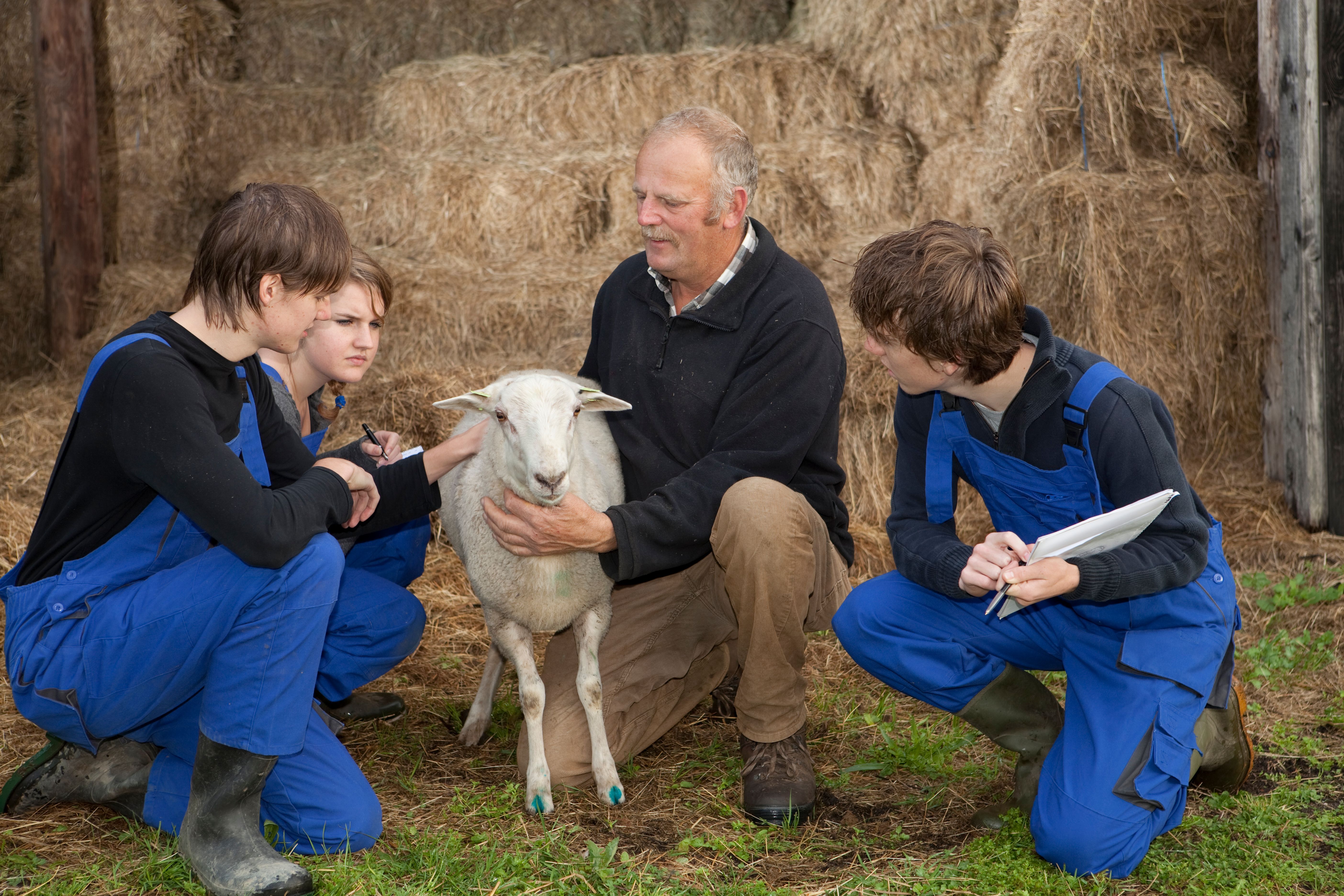
Agronomic training is an essential component for enhancing farm productivity. It equips farmers with the knowledge and skills necessary to optimize their farming practices, leading to increased crop yields and sustainable agriculture. This training covers various aspects, from soil management to pest control, ensuring that farmers can make informed decisions.
With the growing global population and the corresponding demand for food, the importance of agronomic training cannot be overstated. By implementing best practices, farmers can significantly improve their productivity, contributing to food security and economic growth.
Soil Management and Its Benefits
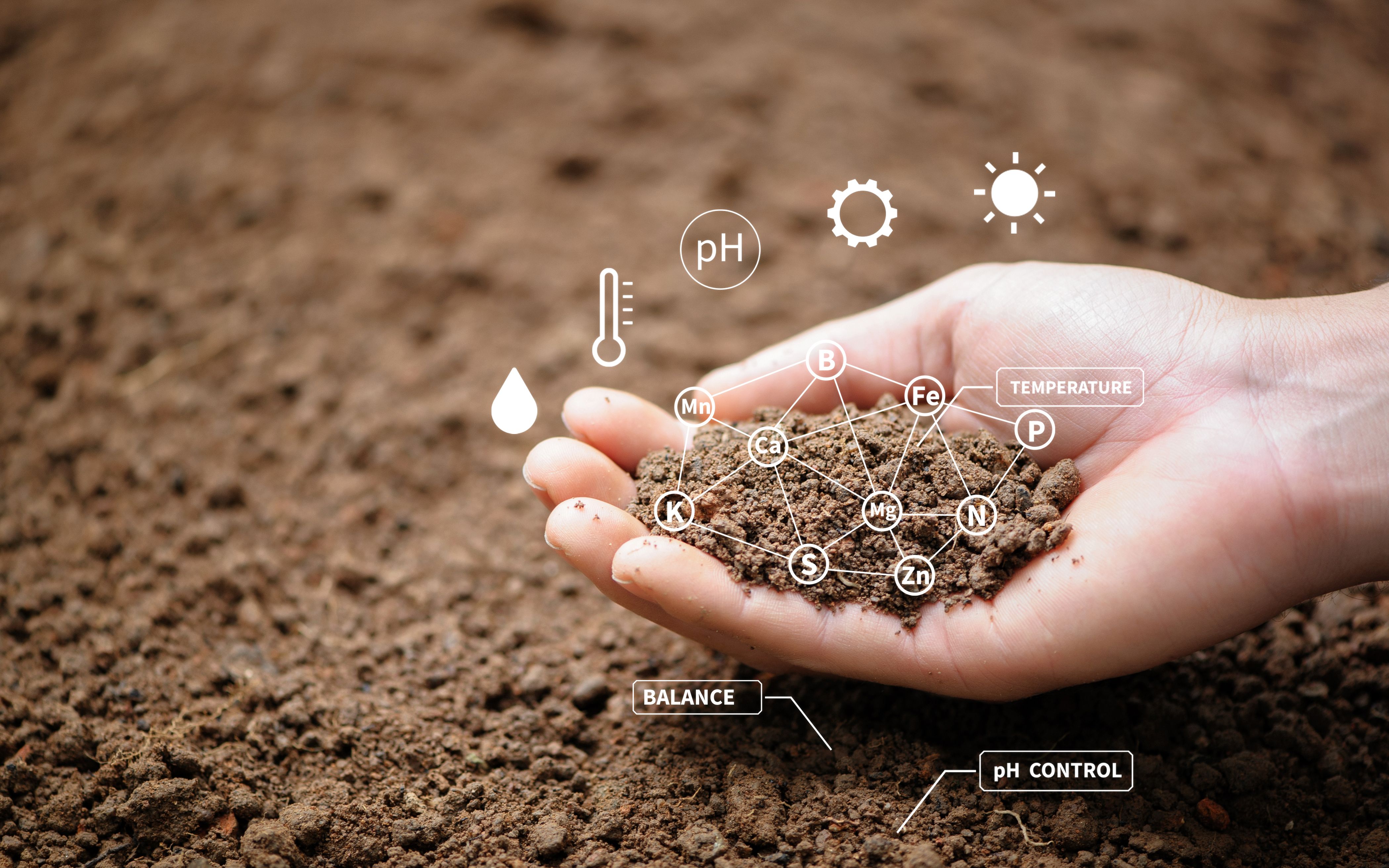
One of the critical areas of agronomic training is soil management. Healthy soil is the foundation of productive farming, and understanding its properties is vital. Farmers learn about soil composition, pH levels, and nutrient management through training programs.
Effective soil management leads to several benefits, including improved crop yields, reduced soil erosion, and enhanced water retention. Farmers are taught to use organic matter and crop rotation techniques, which not only enrich the soil but also promote biodiversity.
Pest and Disease Control
Pest and disease control is another crucial aspect of agronomic training. Farmers are educated on identifying common pests and diseases that affect crops and implementing integrated pest management strategies. This approach minimizes the reliance on chemical pesticides, promoting environmentally friendly practices.
By understanding pest lifecycles and natural predators, farmers can reduce crop losses and improve their farm's resilience. This knowledge also helps in maintaining the ecological balance, preserving beneficial insects and microorganisms.

Water Management Techniques
Water management is a cornerstone of sustainable farming, and agronomic training provides farmers with the tools to optimize water usage. Techniques such as drip irrigation, rainwater harvesting, and soil moisture monitoring are taught to ensure efficient water use.
These practices lead to better water conservation, reduced costs, and increased productivity. By managing water resources effectively, farmers can mitigate the impacts of droughts and water scarcity, ensuring consistent crop production.
Implementing Modern Technologies
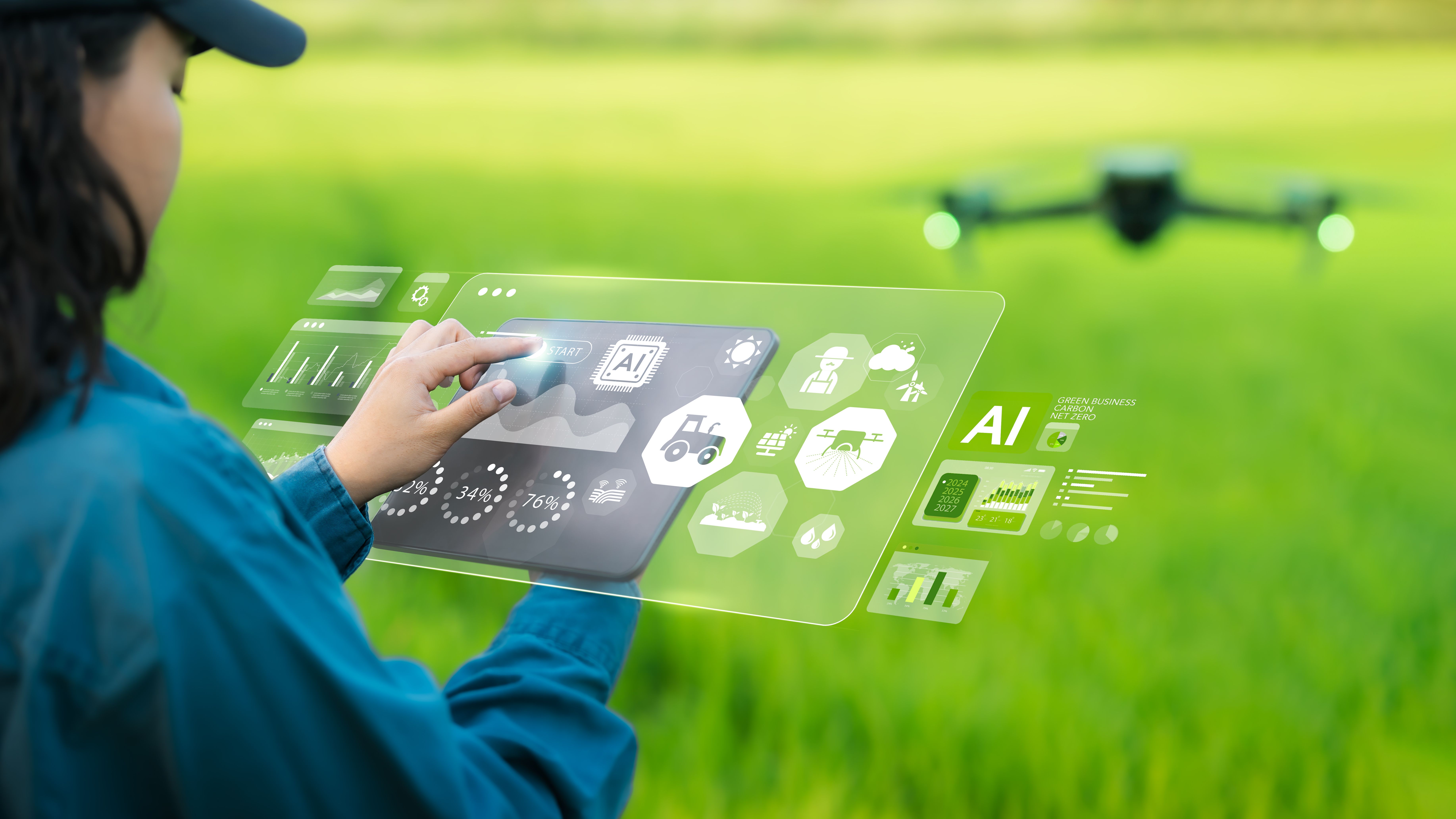
Modern technologies play a significant role in enhancing farm productivity, and agronomic training introduces farmers to these innovations. From precision agriculture tools to data analytics, farmers learn how technology can drive efficiency and yield improvements.
Training programs often cover the use of drones, GPS mapping, and sensor technology, enabling farmers to monitor crop health and optimize resource allocation. By embracing technology, farmers can make data-driven decisions that enhance productivity and sustainability.
Conclusion
Agronomic training is a transformative force for farmers, providing them with the knowledge and skills to boost productivity and sustainability. By focusing on soil management, pest control, water management, and technology, farmers are better equipped to meet the challenges of modern agriculture.
As the demand for food continues to rise, investing in agronomic training will be crucial for ensuring food security and promoting sustainable farming practices worldwide.