
Top 5 Seasonal Crop Recommendations for Ghanaian Farmers


Introduction to Seasonal Farming in Ghana
Seasonal farming in Ghana is a vital component of the agricultural landscape. With a diverse climate that supports a variety of crops, Ghanaian farmers have the opportunity to maximize their yields by selecting the right crops for each season. This post will explore the top five seasonal crop recommendations that can enhance productivity and profitability for local farmers.
Maize: A Staple Crop
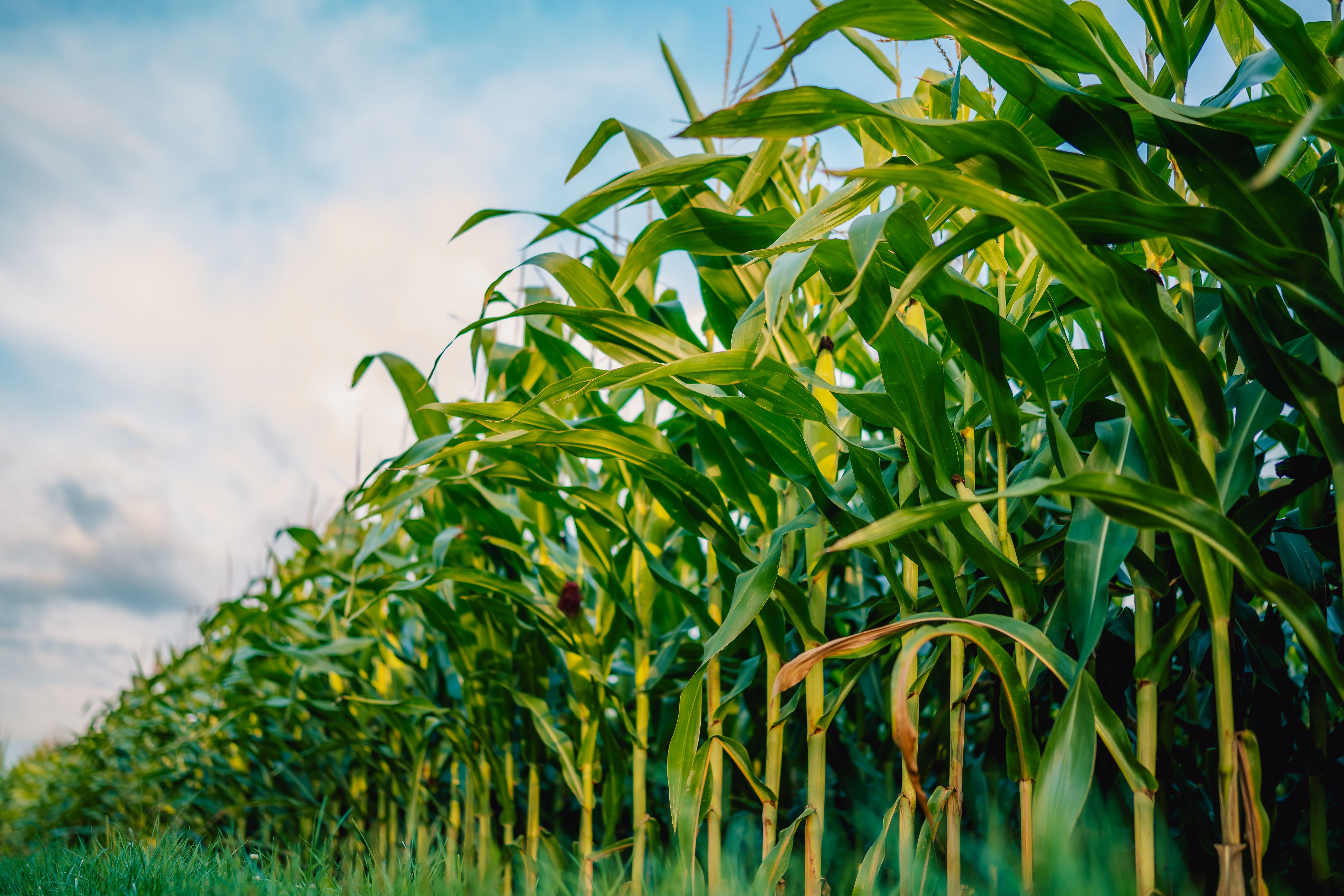
Maize is one of the most important crops in Ghana, serving as a staple food for many households. It grows well in the major and minor rainy seasons, providing flexibility in planting. Farmers can expect high yields if they utilize improved seed varieties and adopt proper farming practices.
Benefits of Growing Maize
Maize is not only essential for household consumption but also for the local market. Its versatility allows it to be processed into various products, offering multiple income streams for farmers. Additionally, maize farming can be intercropped with legumes to improve soil fertility.
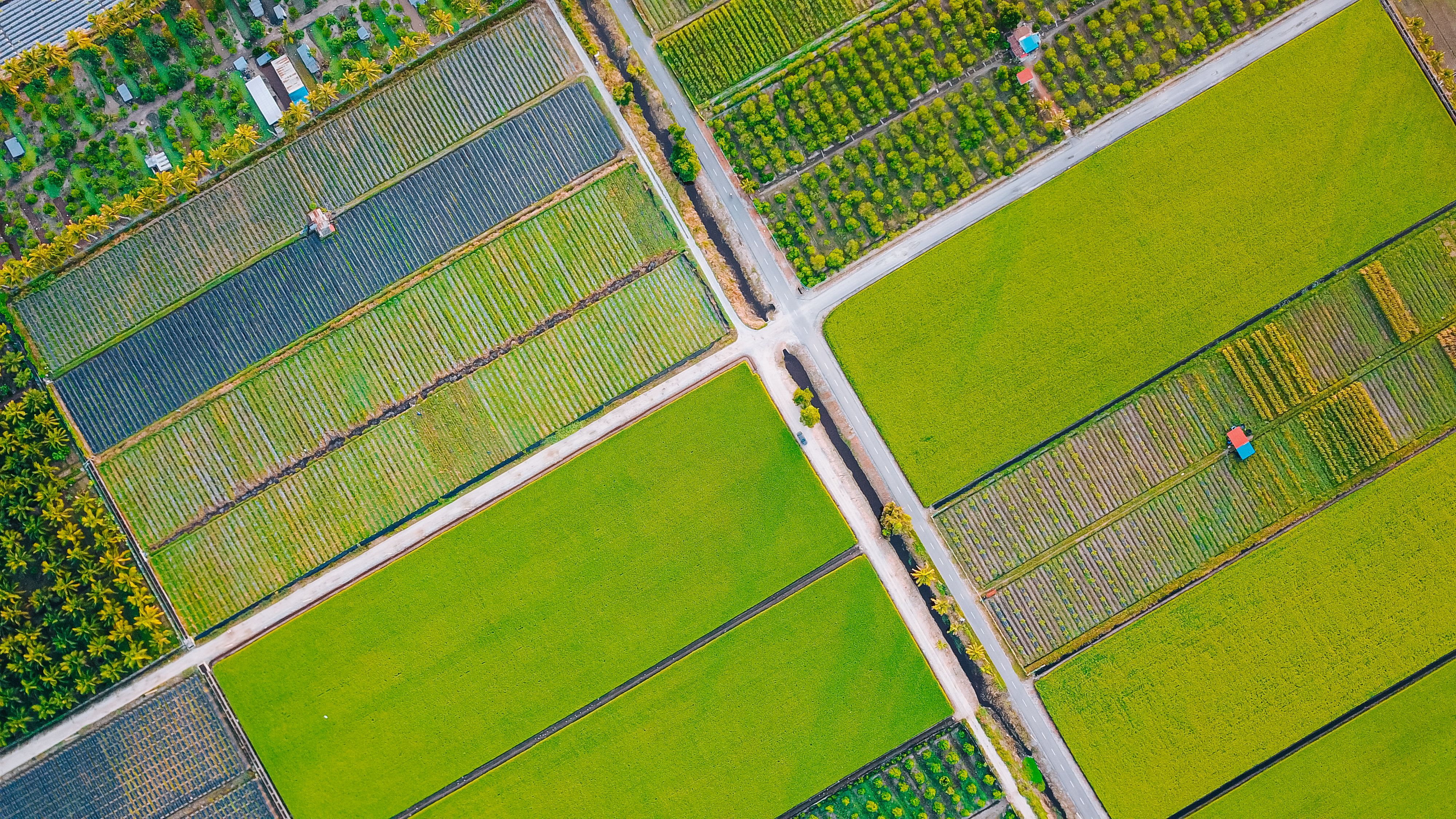
Rice: Optimizing Water Resources
Rice is another lucrative crop for Ghanaian farmers, especially in regions with access to irrigation. The Volta Region and parts of Northern Ghana provide ideal conditions for rice cultivation. By selecting suitable rice varieties and employing efficient water management techniques, farmers can achieve substantial returns.
Rice Varieties and Techniques
Farmers can choose from a range of rice varieties, including both upland and lowland types, depending on their specific environmental conditions. Implementing modern cultivation methods such as the System of Rice Intensification (SRI) can further boost productivity.
Cassava: A Resilient Choice
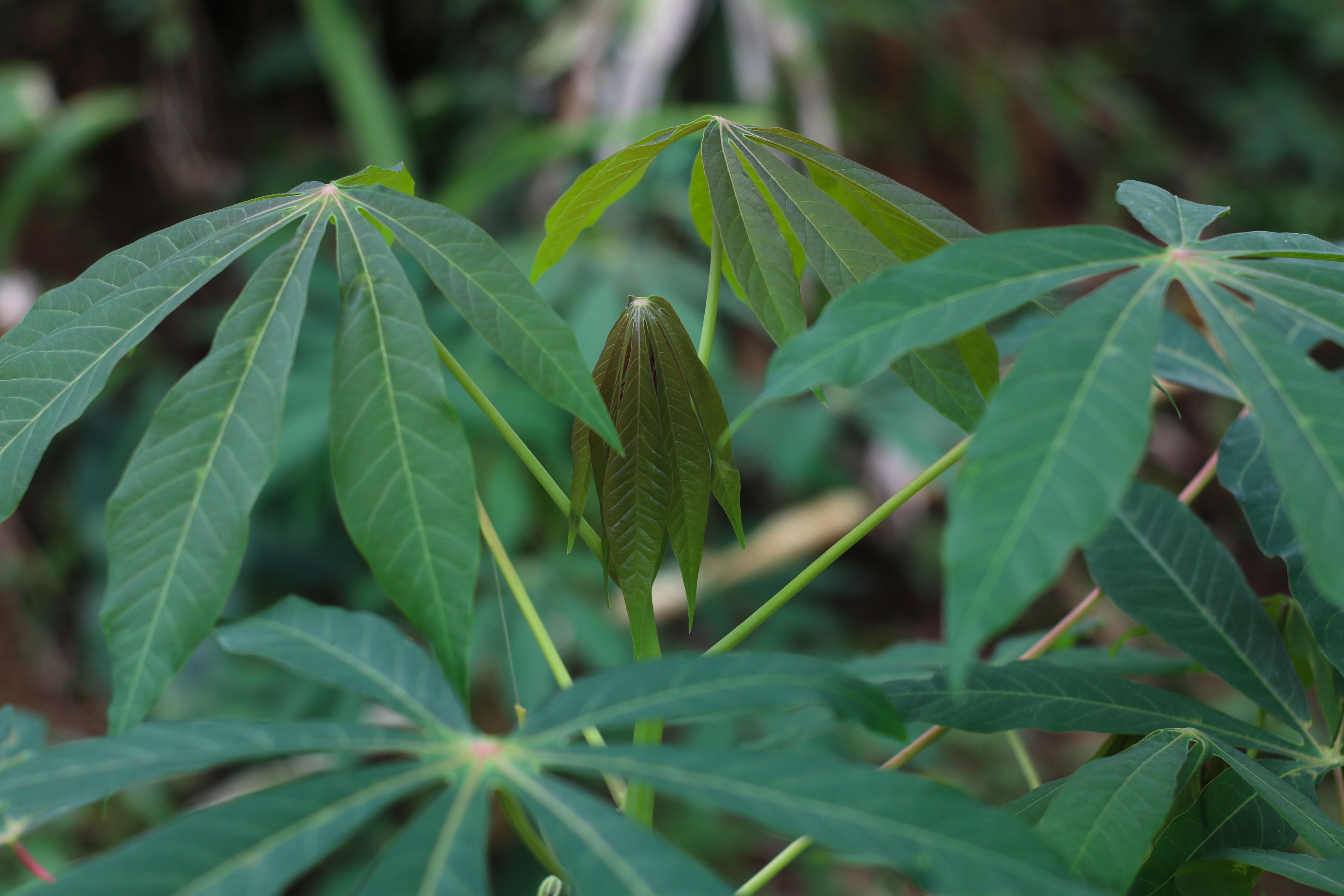
Cassava is known for its resilience and ability to thrive in less fertile soils. It is widely grown across Ghana and can be harvested throughout the year, making it a reliable source of income. The demand for cassava is high, as it can be processed into various products like gari and fufu.
Improving Cassava Yields
To enhance cassava yields, farmers should consider using improved varieties that are resistant to common pests and diseases. Proper land preparation and timely planting are also crucial in maximizing output.
Tomatoes: A Profitable Venture
Tomatoes are a popular and profitable crop in Ghana, particularly in the dry season when irrigation is available. They are highly sought after in both local and international markets. Growing tomatoes can offer significant financial returns if managed properly.
Key Considerations for Tomato Farming
Farmers should focus on selecting disease-resistant varieties and implementing integrated pest management strategies. Timely harvesting and efficient marketing can further enhance profitability.
Cocoa: A Long-Term Investment
While cocoa requires more time and investment to cultivate, it remains one of Ghana's most valuable export crops. The country's favorable climate supports cocoa farming, and with proper care, cocoa trees can produce for many years.
Ensuring Cocoa Success
Successful cocoa farming depends on selecting high-yielding varieties and maintaining regular tree care, including pruning and disease management. Engaging in sustainable farming practices can also attract premium prices in the global market.

Conclusion: Strategic Crop Selection
Choosing the right seasonal crops can significantly impact the success of Ghanaian farmers. By focusing on these top crop recommendations and employing modern agricultural techniques, farmers can enhance their productivity and secure a stable income. Strategic planning and adaptation to changing climate conditions are key to sustainable agricultural success.