
Top Agronomic Support Tips for Ghanaian Farmers


Understanding Soil Health
One of the most crucial aspects of successful farming is maintaining healthy soil. Ghanaian farmers can benefit greatly from understanding their soil composition and nutrient levels. Regular soil testing can help farmers identify deficiencies and adjust their fertilization practices accordingly. This ensures that crops receive the necessary nutrients for optimal growth.
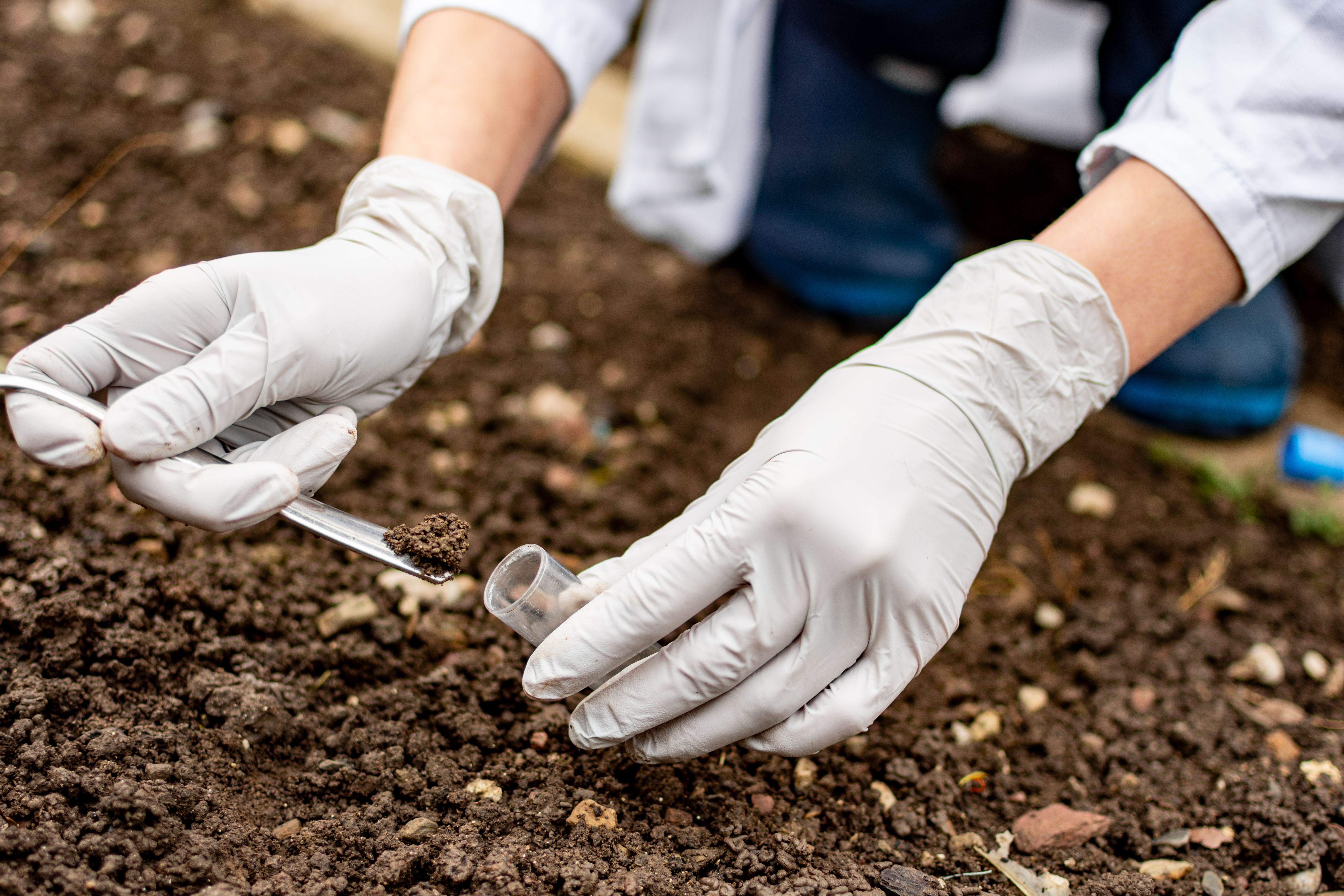
Incorporating organic matter such as compost and manure can significantly improve soil structure and fertility. These natural amendments help retain moisture and provide essential nutrients over time. Additionally, practicing crop rotation can prevent nutrient depletion and reduce pest and disease cycles.
Effective Water Management
Water management is pivotal in agriculture, especially in regions with variable rainfall like Ghana. Drip irrigation systems are highly effective in conserving water while ensuring crops receive adequate moisture. Implementing rainwater harvesting techniques can also provide a sustainable water source during dry periods.

Farmers should consider the timing of irrigation to minimize water loss through evaporation. Early morning or late afternoon irrigation can be more efficient. Monitoring weather patterns and adjusting irrigation schedules accordingly can lead to better water usage and crop yields.
Choosing the Right Crop Varieties
Selecting the appropriate crop varieties is essential for maximizing productivity. Farmers should consider factors such as climate, soil type, and market demand when choosing crops. Opting for drought-resistant or early-maturing varieties can be particularly beneficial in areas prone to erratic rainfall.
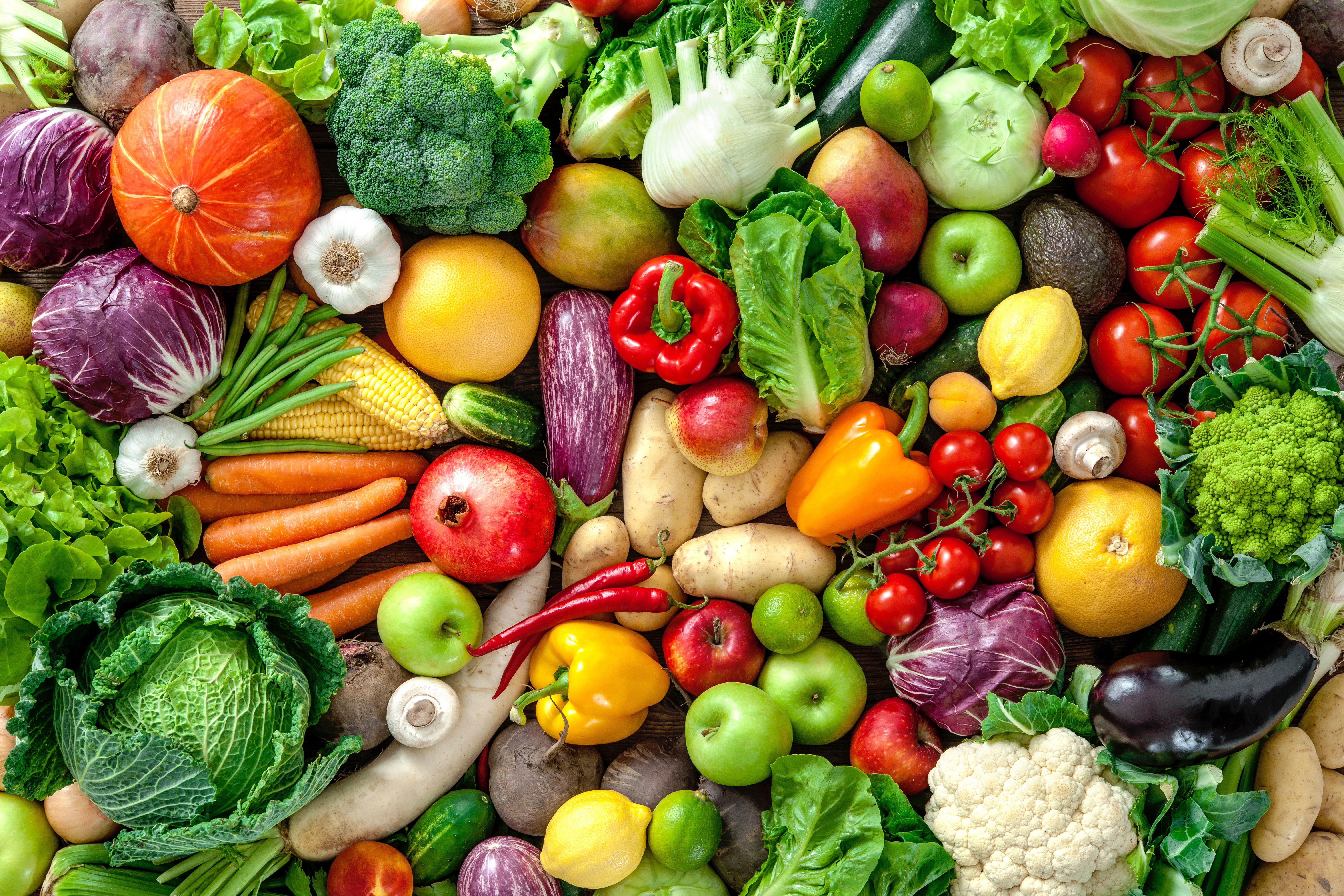
Collaborating with local agricultural extension services can provide valuable insights into suitable crop choices and innovative farming practices. These experts can offer guidance on the latest seed varieties and technologies, helping farmers stay ahead in a competitive market.
Pest and Disease Management
Pest and disease management is a significant concern for farmers. Integrated Pest Management (IPM) strategies can effectively control pests while minimizing environmental impact. This approach combines biological, cultural, and chemical methods to manage pest populations sustainably.
Regular crop monitoring and early detection of pest infestations can prevent significant damage. Farmers should also consider using resistant crop varieties and implementing crop rotation to break pest and disease cycles.
Embracing Technology and Innovation
Technology offers numerous opportunities for enhancing agricultural productivity. Mobile applications and online platforms can provide farmers with real-time information on weather forecasts, market prices, and farming techniques. These tools empower farmers to make informed decisions and optimize their operations.
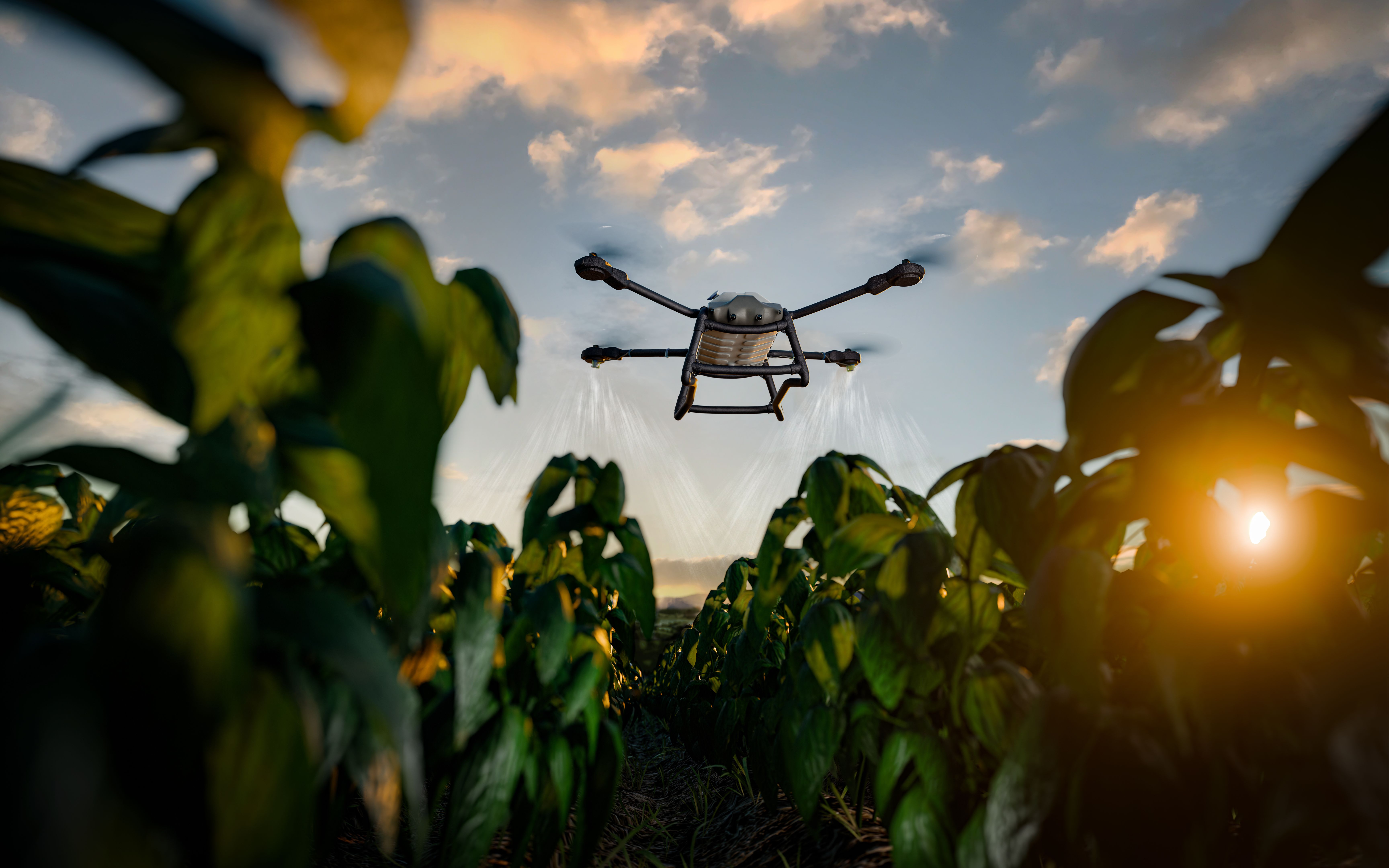
Embracing technology can also involve mechanization, which can reduce labor costs and increase efficiency. Investing in modern equipment tailored to specific farming needs can lead to higher yields and improved profitability.
Building Strong Networks
Networking with fellow farmers and agricultural professionals can open doors to new opportunities. Joining farmer cooperatives or associations can provide access to shared resources, collective bargaining power, and training programs.
Participating in agricultural fairs and workshops can also help farmers stay updated on the latest trends and innovations in the industry. Building strong networks fosters knowledge exchange and enables farmers to tackle challenges collaboratively.
By adopting these agronomic support tips, Ghanaian farmers can enhance their productivity, sustainability, and resilience in the ever-evolving agricultural landscape.