
Training Programs for Ghanaian Farmers: Boosting Productivity and Sustainability


Introduction to Training Programs
In recent years, Ghana has made significant strides in enhancing its agricultural sector. However, challenges such as limited access to modern techniques and sustainable practices still hinder optimal productivity. Training programs for Ghanaian farmers are proving to be a pivotal solution in addressing these challenges, offering education and resources that boost both productivity and sustainability.

Understanding the Importance of Education
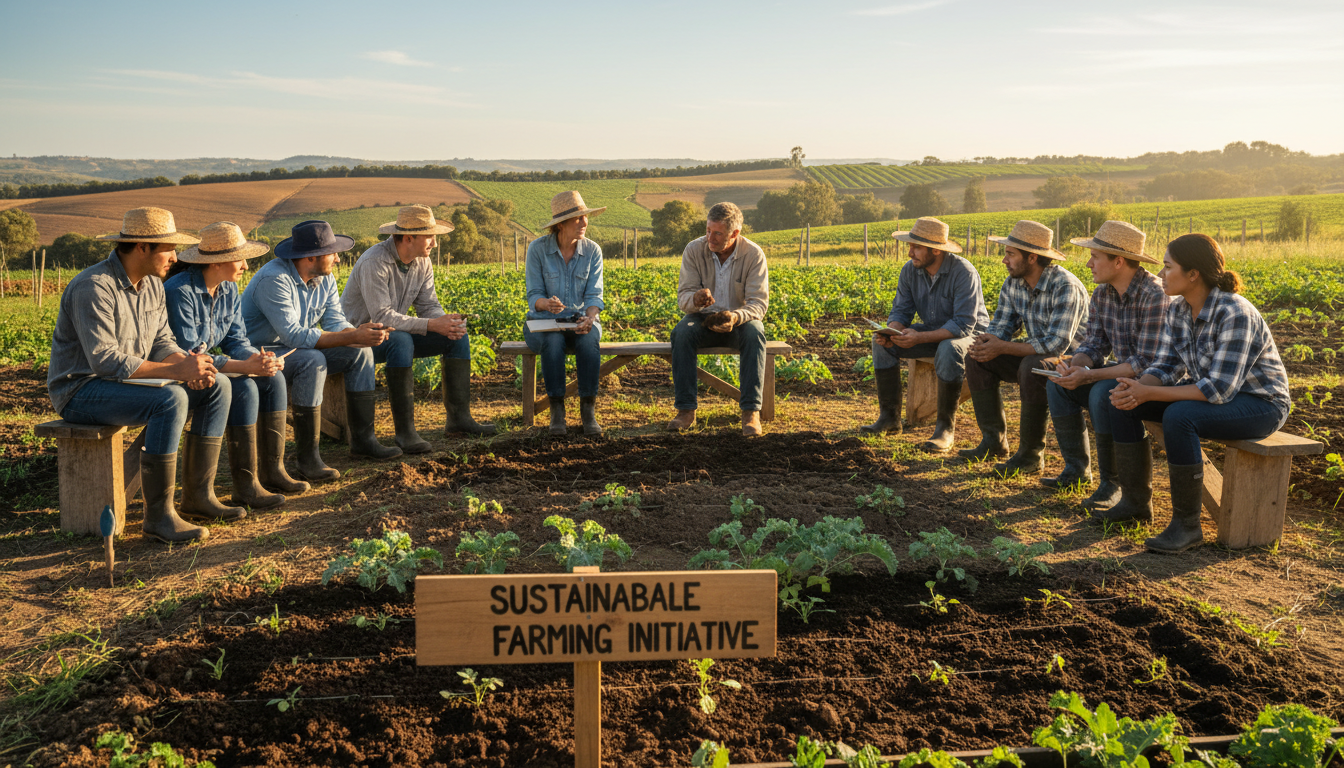
Education is key in transforming traditional farming practices into modern, efficient, and sustainable systems. By providing farmers with the necessary knowledge and skills, these programs enable them to adopt innovative techniques that increase yield and reduce environmental impact. This education is not only about learning new methods but also understanding the importance of sustainable practices.
Topics Covered in Training Programs
Training programs cover a wide range of topics crucial for modern agriculture. These include:
- Soil management: Techniques to maintain and improve soil fertility.
- Pest control: Environmentally-friendly pest management strategies.
- Water conservation: Efficient irrigation methods to optimize water use.
- Crop diversification: Strategies to reduce risk and improve food security.
Enhancing Productivity
One of the primary goals of these training programs is to boost productivity. By learning about improved seed varieties, effective fertilization methods, and advanced farming equipment, Ghanaian farmers can significantly increase their output. This not only elevates their income but also contributes to the country's food supply.
Real-life Success Stories
Many farmers who have participated in these programs report substantial improvements in their farming operations. For example, a farmer in the Ashanti region managed to double his maize yield after adopting new techniques learned during training. Such success stories serve as powerful motivators for other farmers to engage in these educational opportunities.
Promoting Sustainability
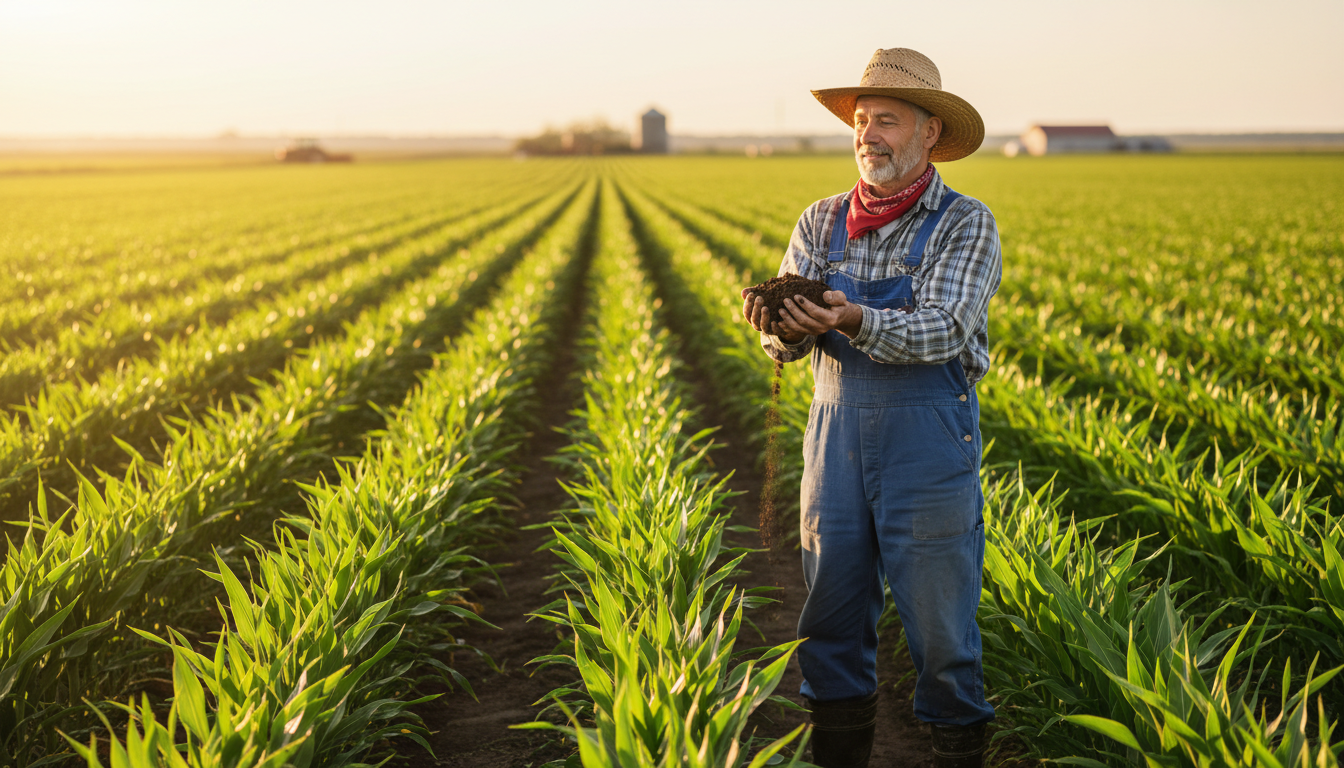
Sustainability is at the heart of these training initiatives. By promoting practices such as crop rotation, organic farming, and integrated pest management, the programs ensure that farming activities do not deplete resources or harm the environment. This approach not only benefits the current generation but also secures resources for future farmers.
Community Impact
The ripple effect of training programs extends beyond individual farmers. As participants share knowledge with their peers, entire communities can transition toward more sustainable practices. This collective movement fosters a culture of sustainability, leading to broader societal benefits such as improved health and environmental conservation.
Future Prospects
With continuous support from government bodies and international organizations, the future of agricultural training programs in Ghana looks promising. Expanding these programs to reach more farmers and incorporating digital tools for remote learning are some of the steps being considered to enhance their impact.
Ultimately, training programs for Ghanaian farmers are not just about improving farming techniques. They are about empowering farmers to create a more productive, sustainable, and prosperous agricultural sector, paving the way for a brighter future for Ghana.