
Understanding Local Regulations: A Guide for New Farmers in Ghana


Introduction to Farming Regulations in Ghana
Starting a farming venture in Ghana can be a rewarding experience, but understanding local regulations is crucial for success. These regulations ensure that farming practices are safe, sustainable, and beneficial to the community. As a new farmer, familiarizing yourself with these rules will help you avoid legal issues and build a thriving business.
Types of Farming Licenses
In Ghana, different types of farming require different licenses. It's essential to determine which licenses apply to your specific agricultural activities. For instance, if you plan to engage in poultry farming, livestock farming, or crop production, you'll need to acquire the appropriate permits. Obtaining the right license not only legitimizes your operations but also opens doors to government support and subsidies.
Steps to Obtain a License
To obtain a farming license, you must follow several steps:
- Submit an application to the Ministry of Food and Agriculture (MoFA).
- Provide detailed information about your farm, including its location and intended activities.
- Undergo an inspection by MoFA officials to ensure compliance with safety and environmental standards.
- Pay the required fees and wait for approval.
Environmental Regulations
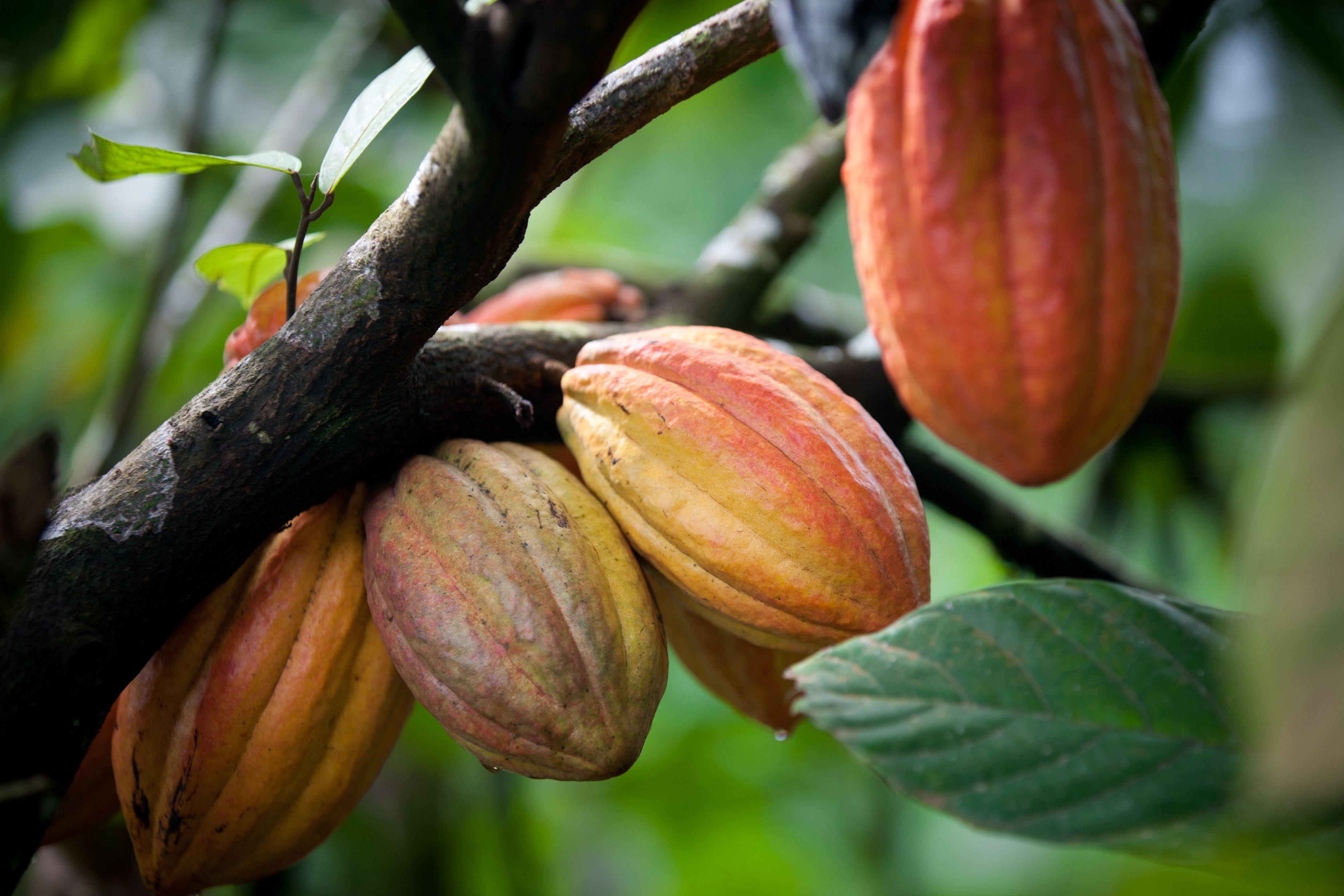
Environmental sustainability is a significant focus of Ghana's agricultural regulations. Farmers are encouraged to practice sustainable farming methods to preserve natural resources and maintain ecological balance. This includes managing soil quality, conserving water, and reducing chemical usage. Compliance with environmental regulations not only protects the environment but also enhances the long-term viability of your farm.
Waste Management and Disposal
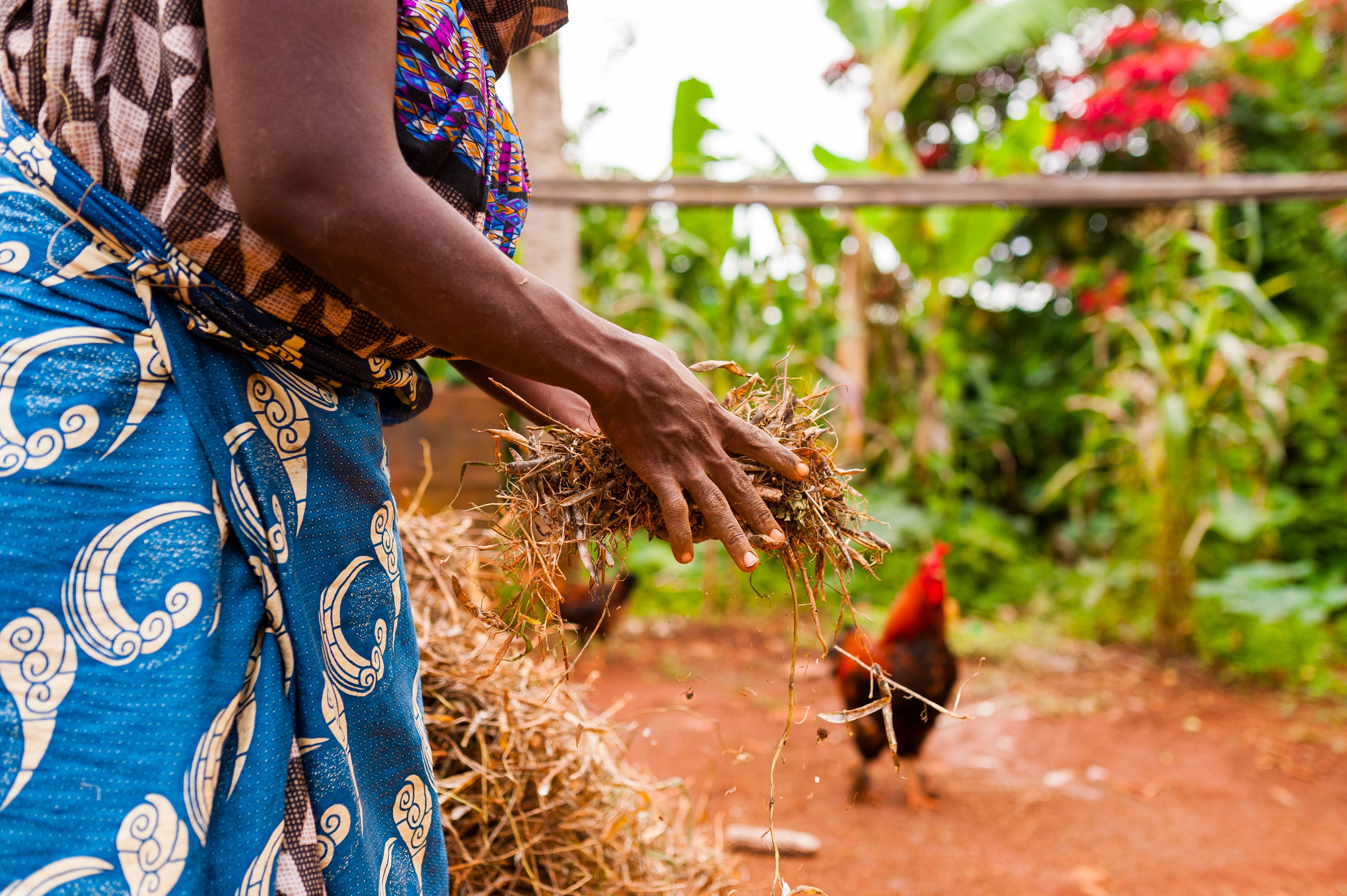
Proper waste management is another essential aspect of environmental regulations. Farmers must devise strategies for disposing of farm waste, such as crop residues and animal manure, in a way that minimizes environmental impact. Composting, recycling, and using biodegradable materials are recommended practices.
Health and Safety Standards
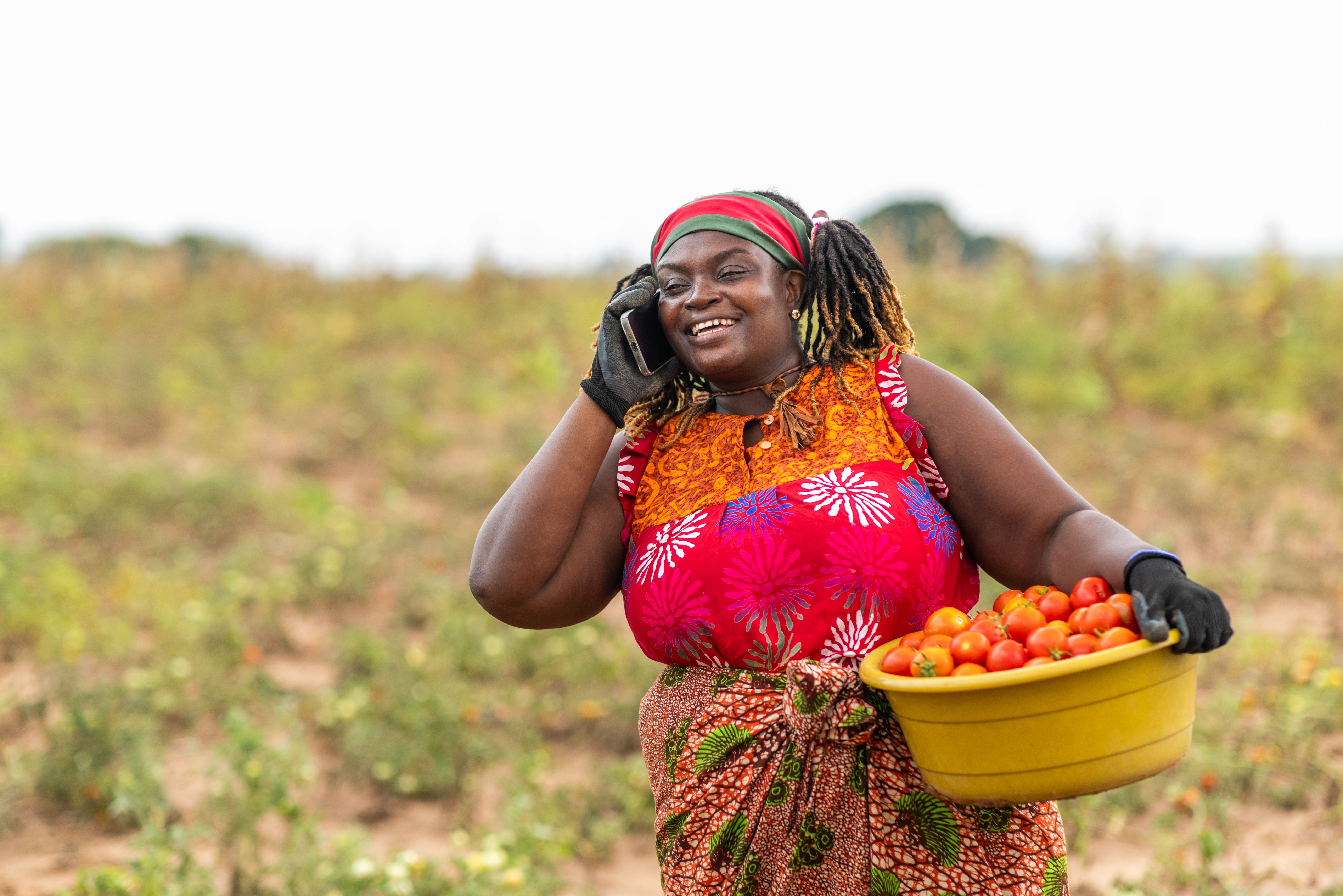
Ensuring the health and safety of workers and consumers is a top priority in Ghana's farming regulations. As a new farmer, it's vital to implement safety measures that protect your employees and produce. This includes providing protective gear, maintaining clean facilities, and adhering to food safety standards.
Training and Education
Offering regular training and education to farm workers is crucial. This helps them understand safety protocols and proper handling techniques, reducing the risk of accidents and contamination. Additionally, staying informed about updates to health and safety regulations will ensure your farm remains compliant.
Conclusion
Understanding and adhering to local regulations is essential for any new farmer in Ghana. By securing the necessary licenses, following environmental guidelines, and prioritizing health and safety, you can build a successful and sustainable farming business. Continuous learning and adaptation to regulatory changes will further enhance your farming operations.