Understanding the Impact of Climate on Agriculture in Ghana


Introduction to Ghana's Agricultural Climate
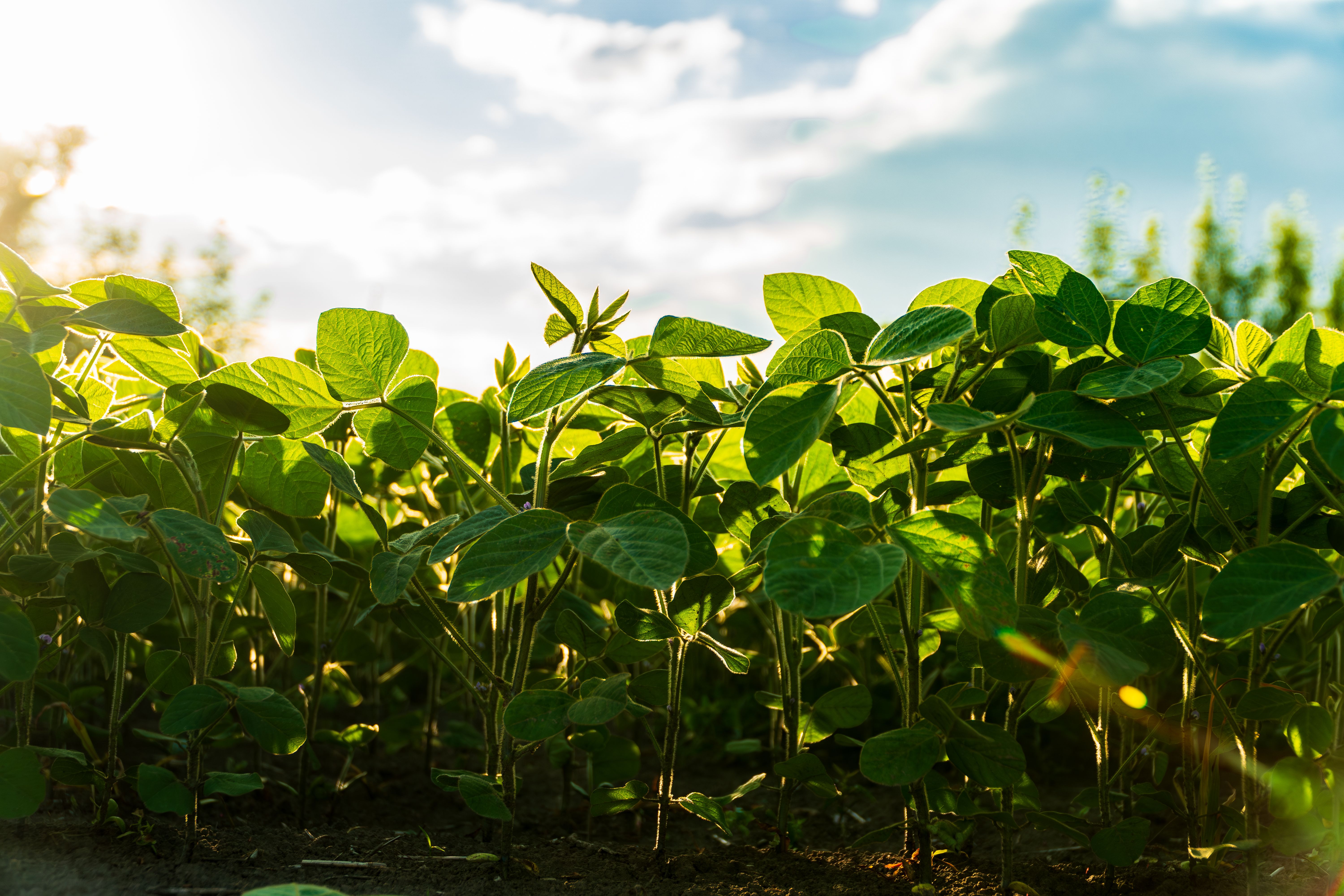
Ghana's agriculture is a cornerstone of its economy, providing employment and sustaining livelihoods for millions. However, the country's agriculture is highly vulnerable to climate variations. Understanding the impact of climate on agriculture in Ghana is crucial for developing strategies to ensure food security and sustainable development.
Climate Patterns and Their Influence
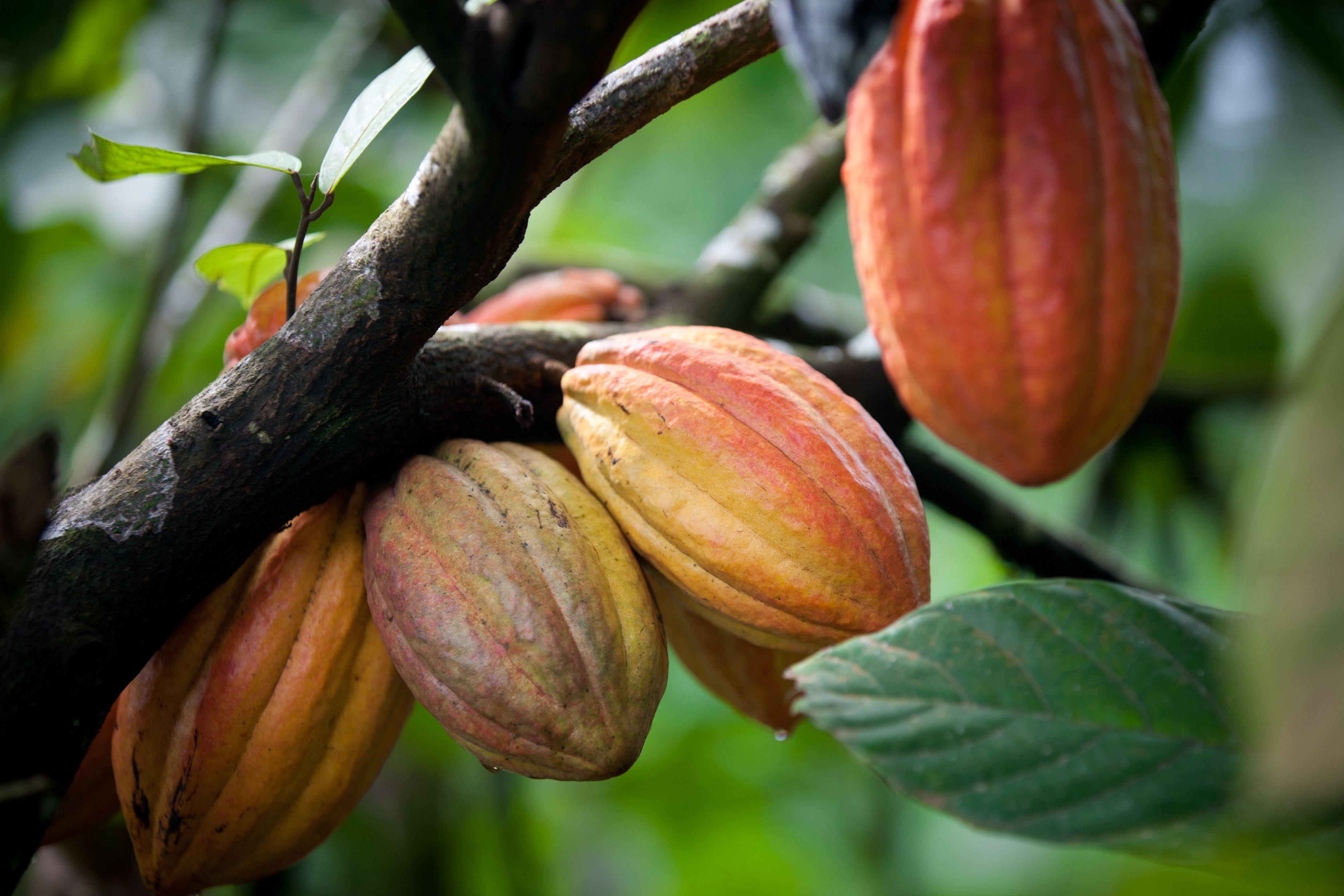
Ghana experiences two primary climate zones: the humid tropical climate in the south and the dry savannah climate in the north. These zones dictate the types of crops that can be cultivated and the farming practices employed. Seasonal rainfall patterns are critical, as most of Ghana's agriculture is rain-fed.
Changes in rainfall patterns can lead to droughts or floods, both of which have devastating effects on crop yields. The unpredictability of weather patterns has become a significant challenge for farmers who rely on traditional knowledge for planting and harvesting.
Temperature Variations
Increasing temperatures are another concern for Ghanaian agriculture. Higher temperatures can lead to heat stress in crops, reducing their growth and productivity. This can also exacerbate pest infestations and diseases, further threatening food security.
Impact on Crop Production
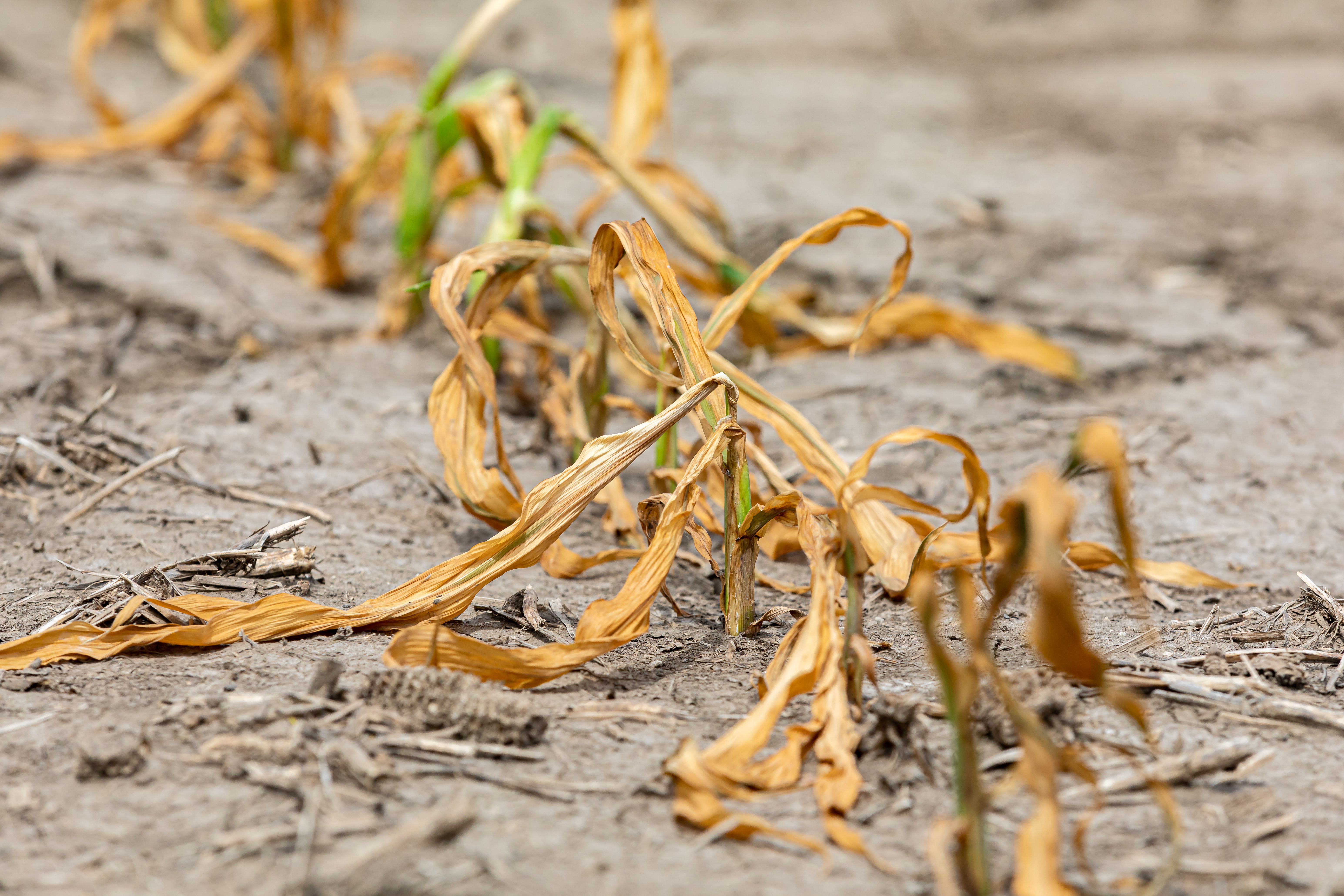
Climate change has a direct impact on crop production in Ghana. For instance, staple crops like maize and cassava are sensitive to changes in rainfall and temperature. A reduction in rainfall can lead to lower yields, while excessive rain can cause flooding, damaging crops and soil.
Additionally, the rise in sea levels poses a threat to coastal agricultural lands. Saltwater intrusion can render fertile lands unproductive, affecting both crop production and the livelihoods of farmers in these regions.
Adaptive Strategies
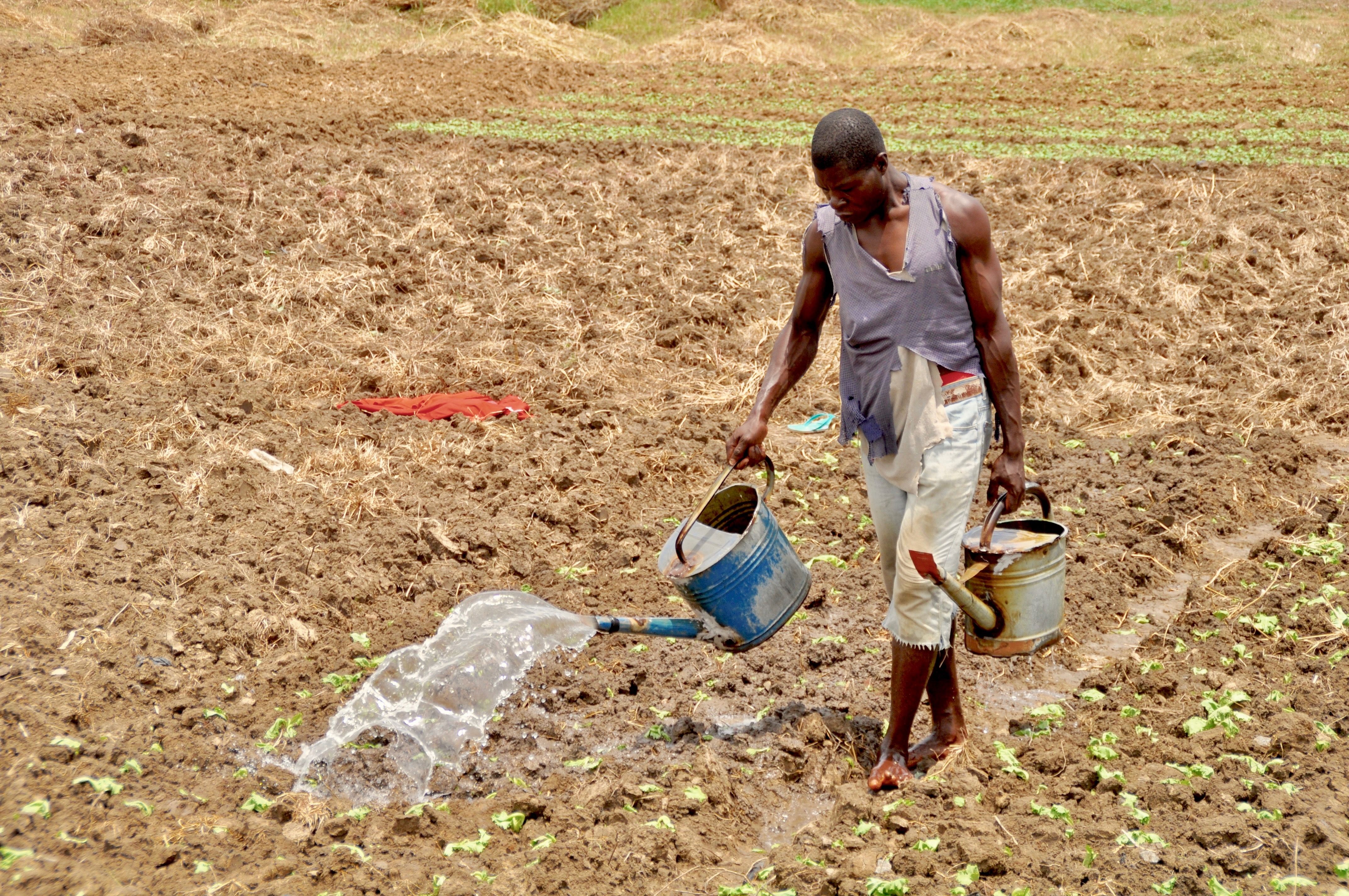
To combat these challenges, Ghanaian farmers are adopting various adaptive strategies. These include the use of drought-resistant crop varieties, improved irrigation techniques, and agroforestry practices. Such measures aim to enhance resilience and ensure sustainable agricultural production.
Government and Community Initiatives
The government of Ghana, along with various NGOs, is actively working to support farmers in adapting to climate change. Initiatives such as climate-smart agriculture and capacity-building programs are being implemented to equip farmers with the necessary skills and knowledge.
Community-based approaches are also essential in addressing climate impacts. Local communities are encouraged to engage in collective action, sharing resources and knowledge to build resilience against climate variability.
Conclusion
Understanding the impact of climate on agriculture in Ghana is vital for developing effective strategies to mitigate risks. By embracing adaptive practices and supporting community initiatives, Ghana can enhance its agricultural resilience, ensuring food security for future generations.